By Dr. James Bwala
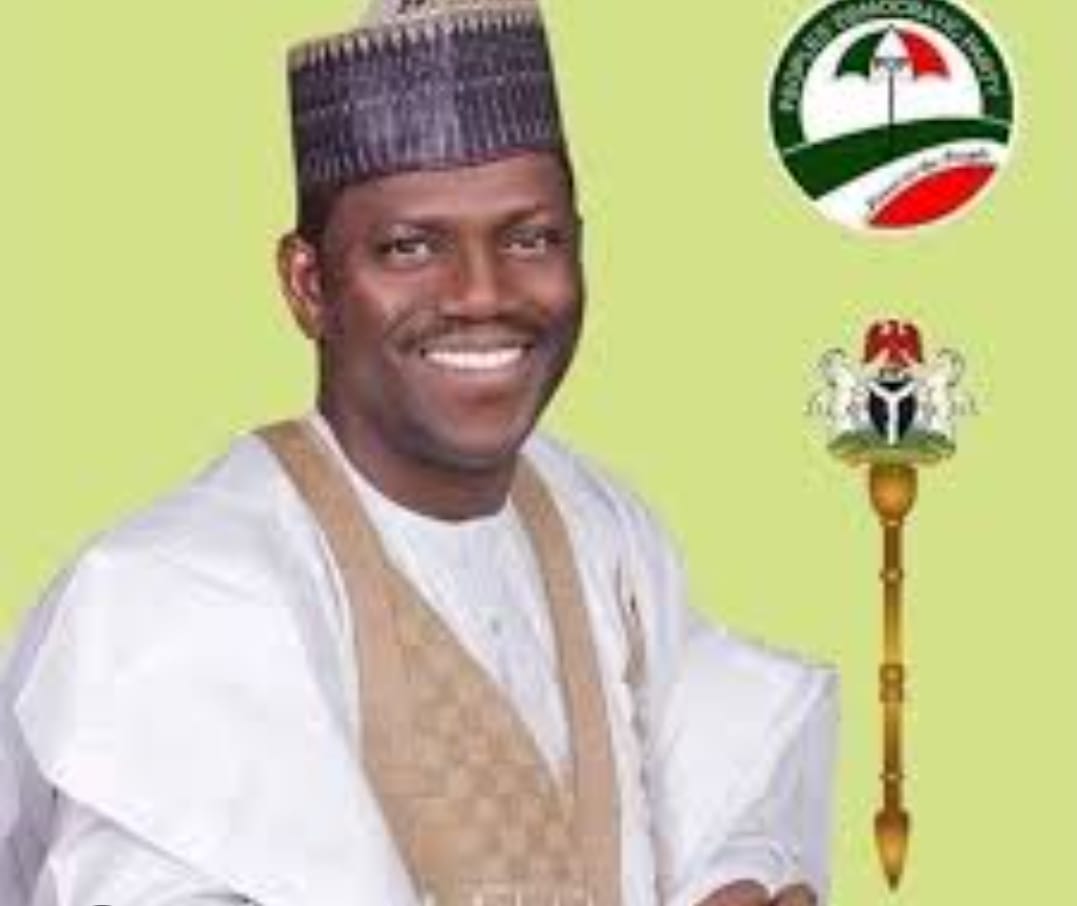
The youths of Hawul and Askira/Uba Federal Constituency have expressed deep regret over electing Hon. Midala Balami of the People’s Democratic Party (PDP) as their representative in the House of Representatives.
Their disappointment stems from unmet campaign promises and the absence of tangible development projects since he assumed office. Many youths feel marginalized, asserting that their pressing concerns—particularly around education, employment, and infrastructure—have been consistently ignored.
This growing disillusionment mirrors a broader national trend, where Nigerian youth are demanding increased accountability and effective representation from elected officials.
The early optimism surrounding Balami’s election has since given way to frustration, fueled by what they describe as weak legislative performance and minimal engagement with constituents.
Although legal disputes surrounding his victory were resolved in his favor, the judicial validation has not translated into improved confidence among the grassroots. The resulting dissatisfaction underscores the urgent need for leaders who prioritize genuine community development and inclusive governance.
The declaration by these youths—that Hon. Balami must not return to represent them in 2027—signals a shift in political awareness and expectations. Young people across the constituency are calling for performance-based leadership, no longer satisfied with symbolic gestures or partisan loyalty.
They are seeking representatives who are transparent, responsive, and innovative—qualities essential to tackling contemporary socio-economic challenges. Their rejection of Hon. Balami is not just political; it is emblematic of a new civic consciousness demanding real progress and reform.
This rejection was made even more evident when a video surfaced showing constituents turning down a ₦500,000 Sallah gift from Hon. Balami. Their response, expressed with the Hausa phrase “Bamayi” (meaning “We are not doing this again”), underscored a profound disconnect between the representative and the people he claims to serve. The rejection of financial inducement symbolized a broader repudiation of ineffective leadership and tokenism in political engagement.
Such moments serve as potent reminders that public trust is earned through action, not handouts. The video of the Sallah gift rejection has since gone viral, sparking conversations across Borno State and beyond about the expectations citizens now have for their elected leaders. It reflects a growing willingness among voters—especially the youth—to hold politicians accountable and to reject superficial attempts at winning favor.
Adding to the discontent is a recent revelation by a senator from Osun State that members of the House of Representatives allegedly receive ₦1 billion each for constituency projects, while senators receive ₦2 billion. Despite such substantial allocations, many constituents in Askira/Uba and Hawul see no evidence of these funds being used for meaningful development. This discrepancy between budgeted resources and visible results has only heightened public scrutiny and intensified calls for transparency.
In contrast, Hon. Betara Aliyu, who represents Biu, Kwaya, Bayo, and Shani in southern Borno, is cited by constituents as a model of effective representation. His visible commitment to legislative engagement and developmental initiatives stands in stark contrast to the apparent underperformance of other representatives in the region. The disparity has fueled further frustration in the southern Borno constituencies, where many feel neglected and voiceless in national affairs.
Effective governance requires transparency—especially in the utilization of public funds. Hon. Balami has received significant constituency allocations intended to address critical areas such as education, healthcare, infrastructure, and economic empowerment.
However, the absence of publicly available information about specific projects funded through these allocations has raised questions. Stakeholders and constituents are demanding detailed disclosures to understand how their resources are being used.
As a youth from the constituency, I firmly believe that transparency in the management of public funds is essential for building trust and promoting sustainable development.
Elected officials must go beyond symbolic engagement and provide clear, documented evidence of how they are addressing the needs of the people. Only through accountability and genuine representation can we move towards a political future that empowers our communities.