

By Emamuzo Iboma
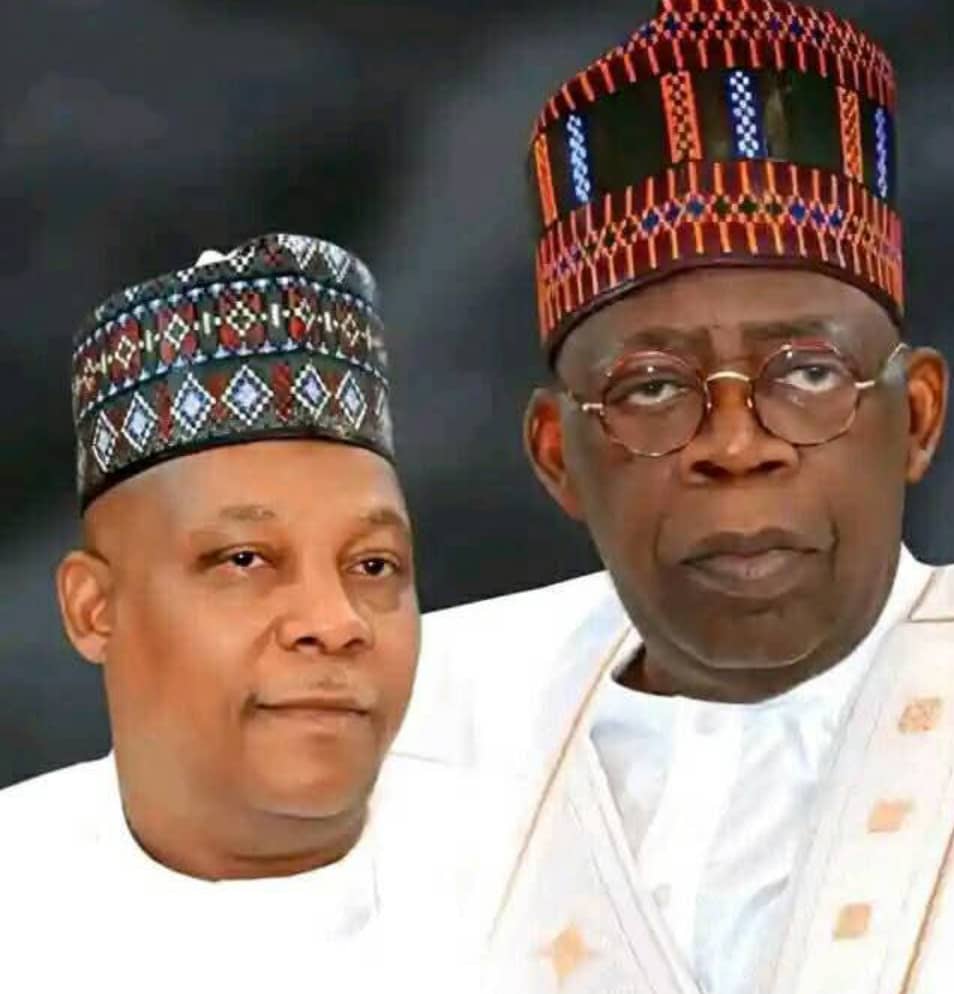
President Bola Tinubu has unveiled an extensive fleet of over 2,000 tractors and modern farming equipment aimed at revolutionizing Nigeria’s agricultural sector. The equipment includes 2,000 disc ploughs, disc harrows, ridgers, 1,200 tractor-trailers, 500 seed drills, 300 boom sprayers, 10 harvesters, 12 mobile workshops, and more than 9,000 sets of spare parts, all imported from the Republic of Belarus.
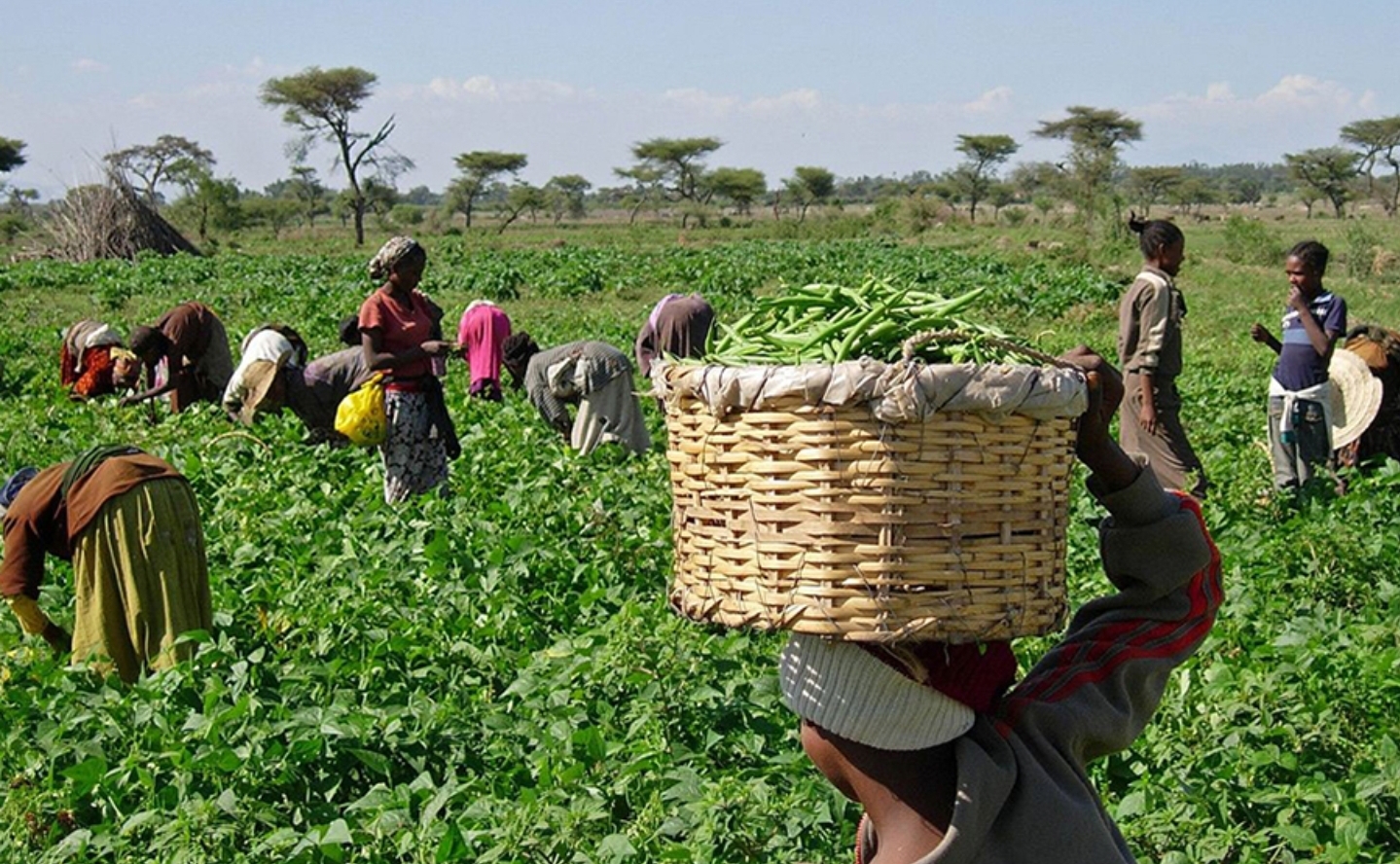
This initiative is designed to modernize farming practices, shift agriculture from subsistence to large-scale commercial production, and attract more youth to the sector. The government projects that the mechanization efforts will enable the cultivation of over 550,000 hectares of farmland, yield more than two million metric tons of staple foods, and generate over 16,000 jobs across Nigeria.
Speaking at the launch, President Tinubu emphasized that the deployment of modern equipment would help address the country’s growing food insecurity and reduce reliance on imports. Nigeria’s food import bill reached ₦6.58 trillion in 2024, marking a 71.99 percent increase from the previous year, underscoring the urgency of boosting local food production.
The initiative complements the Nigeria-Brazil Green Imperative Agricultural Initiative, a bilateral partnership backed by over $1 billion. This programme aims to deepen mechanized farming and livestock development, providing training, equipment, and service centers to enhance productivity and create jobs.
Experts, however, note that the deployment of 2,000 tractors is only a starting point. They are urging state governments to increase investments in agricultural mechanization, using regional strengths to diversify crops ranging from rice and grains to fruits such as mangoes and cashews.
Livestock reform is also seen as critical to achieving food security. Analysts advocate a shift from nomadic herding to ranching systems that align with global best practices, reduce farmer-herder conflicts, and improve the quality of animal products.
To achieve the reform’s full potential, experts stress the need for increased budgetary allocation to agriculture, accessible credit for farmers, and greater private sector involvement. Addressing insecurity in areas affected by insurgency and banditry is also essential to creating a conducive environment for farming.
The agricultural transformation initiative reflects Nigeria’s potential to harness its vast arable land and water resources, not only to feed its population of over 200 million but also to become a key food exporter in Africa.