

By Emamuzo Iboma
In a bold move to enhance food security and economic development, Nigeria’s Minister of Marine and Blue Economy, Adegboyega Oyetola, has pledged to end the country’s reliance on fish imports by ramping up domestic aquaculture efforts.
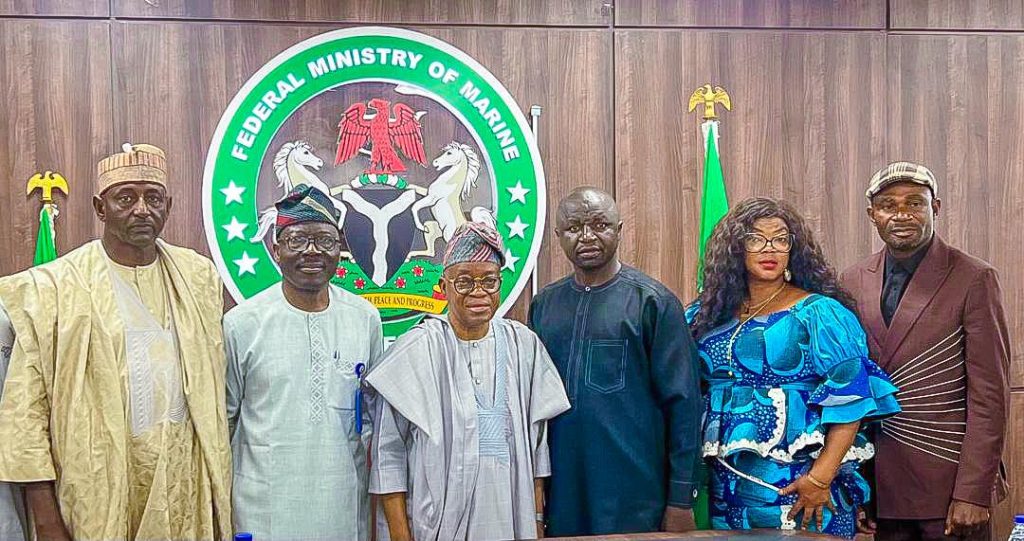
During a strategic meeting with fisheries cooperative groups in Abuja, Oyetola outlined a transformative vision to turn Nigeria into a leading producer and exporter of fish, creating jobs and strengthening national food sovereignty.
“Nigeria must forge a new path toward self-sufficiency in fish production,” declared Oyetola, emphasizing the government’s commitment to supporting the fisheries sector through robust policies, technical assistance, and financial inclusion initiatives.
He added, “We will accelerate local fish production, cut down on imports, and position the sector for sustainable growth.”
The gathering, organized by the Federal Ministry of Marine and Blue Economy, included key stakeholders such as the Fisheries Cooperative Federation of Nigeria (FCFN), Tilapia Aquaculture Developers Association of Nigeria (TADAN), Catfish Farmers Association of Nigeria (CAFAN), Women in Fish Farming and Aquaculture, and the Practicing Farmers Association of Nigeria.
Highlighting the government’s focus on inclusivity, Oyetola announced plans to support women and youth in fishing through start-up grants and empowerment programs. These efforts align with President Bola Tinubu’s Renewed Hope Agenda, which emphasizes youth engagement and economic diversification.
“Engaging young people in aquaculture is essential not only for increasing food supply but also for reducing unemployment. We are dedicated to ensuring women and youth are integral to this transformation,” the minister stated.
Participants voiced concerns over challenges such as overfishing, environmental degradation, limited access to affordable finance, post-harvest losses, inadequate cold storage, poor transportation and market linkages, tax burdens, and rising costs of imported fish feed.
In response, Oyetola assured stakeholders that the ministry is actively engaging both local and international partners. Discussions are underway with the World Bank for financial support to fish farmers, and collaborations with the Nigerian Agricultural Insurance Corporation (NAIC) are being strengthened to provide affordable insurance coverage nationwide.
“We are also exploring ways to replicate successful aquaculture models, like the one at Oyan Dam, across other regions through inter-ministerial planning,” he explained.
The minister emphasized that this meeting marks the beginning of a sustained dialogue aimed at transforming Nigeria’s fisheries sector into a self-reliant industry.
Permanent Secretary Olufemi Oloruntola reaffirmed the ministry’s commitment to building strong partnerships with cooperative societies to promote inclusive growth, while Director of Fisheries and Aquaculture, Wellington Omoragbon, highlighted the need for institutional strengthening and enterprise-driven approaches to attract funding and increase productivity.
Participants praised the initiative as “timely and overdue,” expressing optimism that Nigeria can soon become a major fish producer and exporter. The meeting concluded on a hopeful note, with stakeholders confident in the sector’s promising future.