

Stakeholders Insist Failed Governance Leads Community Level Terrorism.
The explosion of terrorism and banditry in the country has been traced to the failure of governance, especially at the community level, which is the closest to every citizenry.
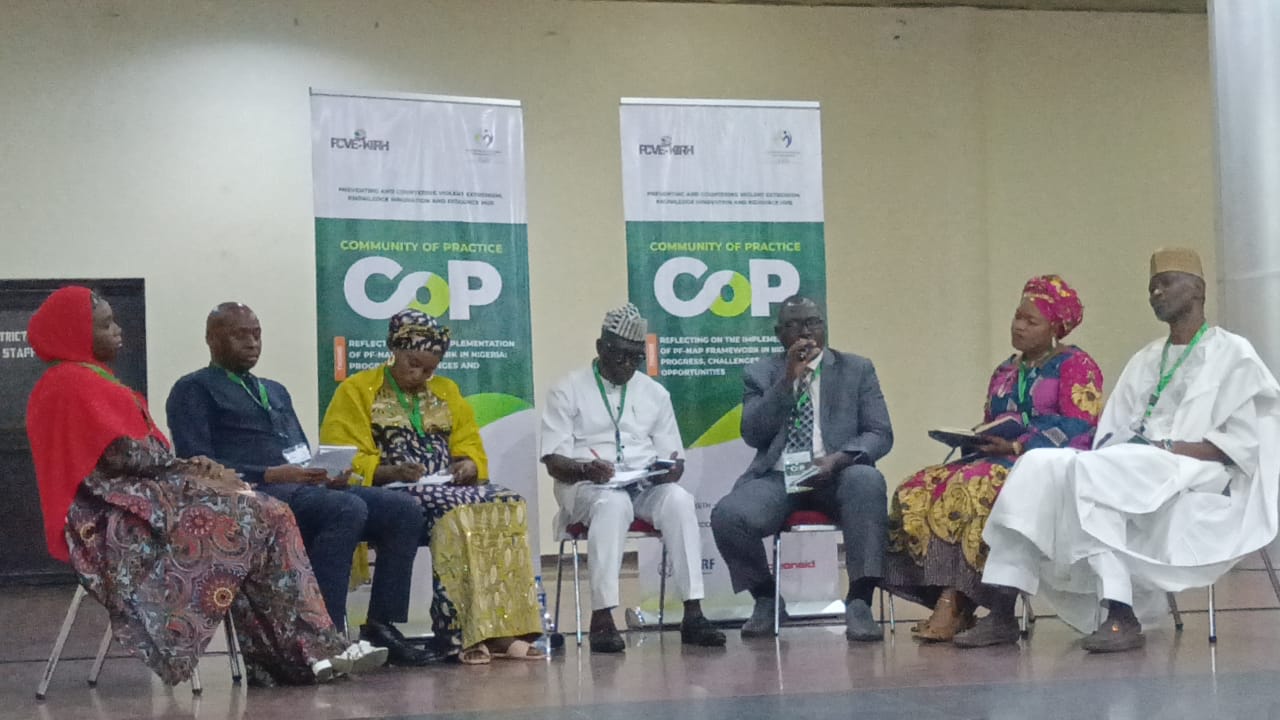
Speaking at the inaugural meeting of the Community of Practice for Preventing and Countering Violent Extremism Knowledge, Innovation, and Resources in Abuja, the Chairman of the Partnership Against Violent Extremism Network, Jaye Gaskia, described violent extremism as a “governance challenge” rather than a security matter.
This event is an integral part of a process aimed at fostering a more strategic and structural approach and relationship between Knowledge and Practice, named Inaugural Conference Of A Preventing And Countering Violent Extremism Community Of Practice (PCVE CoP), driven by a PCVE Knowledge Innovation And Resource Hub (KIRH); under the Overarching Theme of – Reflecting On The Implementation Of The PCVE PFNAP (Policy Framework And National Action Plan).
Gaskia said: “Governance failures are not just security issues, but lie at the heart of violent extremism in Nigeria,” insisting that: “Extremism doesn’t thrive in places with good governance, inclusion, and representation.”
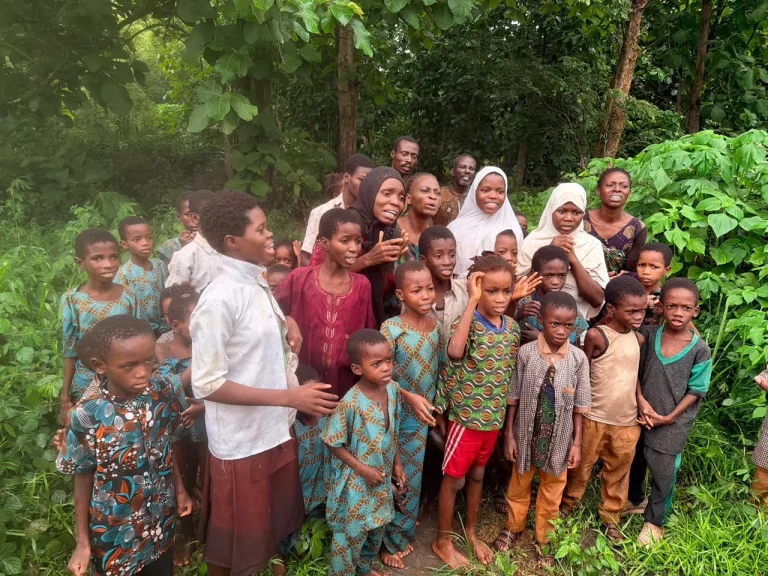
He lamented that many Nigerian communities are effectively “ungoverned spaces,” relying on informal self-governance structures like community development associations, which lack formal authority.
He called for the empowerment of these local institutions to bridge governance gaps and drive sustainable solutions.
Gaskia noted that “Communities must be at the forefront of finding and implementing solutions to violent extremism,” adding that addressing governance challenges would mitigate the conditions that allow extremism to thrive.
Also at the event, Major General Adamu Laka, the National Coordinator of the National Counter Terrorism Centre, highlighted the importance of youth—and women-focused programmes like the Young Peacebuilders Network, which have fostered alternative pathways and strengthened community-driven peacebuilding.
He said: “Capacity-building initiatives have bolstered the skills of law enforcement, community leaders, and other stakeholders.”
However, he noted persistent challenges, including limited resources, socioeconomic inequalities, and extremists’ exploitation of digital platforms for recruitment and propaganda.
Laka, who was represented by the Director of Policy and Strategy at the Centre, Commodore Ahmed Abubakar Madaki,
emphasized the need for grassroots ownership of counter-extremism initiatives: “Adopting local ownership through participatory planning and budgeting at state and community levels, alongside strengthened capacity-building for state actors, will ensure sustainable progress.”
He also called for deeper collaboration with international organisations, academia, and the private sector to provide additional resources and expertise.
Reacting to a report from the National Bureau of Statistics (NBS) revealing that N2.3 trillion was paid as ransom in Nigeria in one year, Ms. Yetunde Adegoke, National Coordinator of the Global Community Engagement and Resilience Fund, described the situation as alarming.
She said: “We’ve been monitoring the growing problem and are aware of the scale.”
However, she noted that: “The government is aware and has advised scaling up community resilience programs.”
Adegoke underscored the importance of “non-kinetic” approaches to complement military efforts.
“Once insurgents surrender, we must ensure there are opportunities for reintegration and contributions to national development.”
For her part, Suwaiba Dankabo, deputy country director of ActionAid Nigeria, stressed the importance of consistent strategy evaluation to ensure progress in peacebuilding.
She said: “We need to reflect on what has worked and what hasn’t to address the issues undermining peace in Nigeria.”