

By Katherine Abayomi
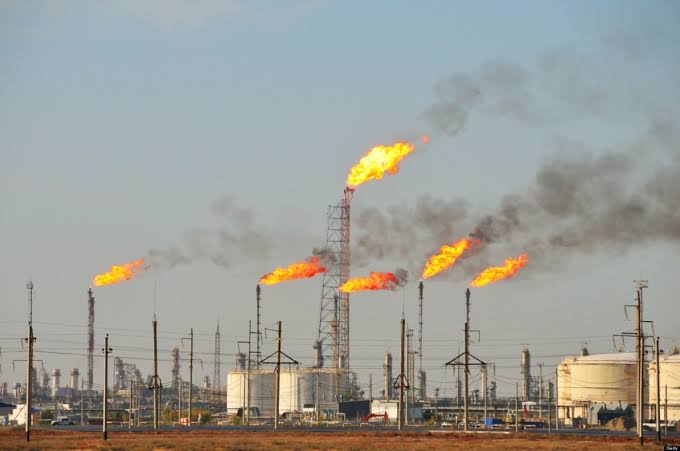
Environmental experts have described gas flaring as a crime under Nigerian law, warning that the practice remains one of the leading causes of environmental pollution and poor air quality across the Niger Delta.
Speaking to commemorate the 2026 World Environment Day themed “Inspired by Nature for Climate, for Our Future,” stakeholders raised concerns over the impact of oil exploration, industrial activities, and other human-induced pollutants on the environment and public health.
Lead Project Officer of the Media Awareness and Justice Initiative (MAJI), Ikechukwu Ahaka, said Nigeria’s greatest environmental challenge is not coal usage but the persistent emission of greenhouse gases from oil and manufacturing activities.
“For Nigeria, we are not using coal, but what is mostly affecting us is the level of gas emissions and pollution from multinational oil companies and manufacturing firms,” he said.
Ahaka lamented that successive governments have repeatedly shifted deadlines for ending gas flaring despite its harmful effects on communities and the environment.
“For over three decades, Nigeria has continued to push back the deadline to end gas flaring. Every year, the government gives reasons why it cannot stop flaring. We believe enough is enough. The Nigerian government must bring gas flaring to a definitive end,” he stated.
Also speaking, MAJI Project Officer, Comfort Ilesanmi, noted that extensive oil exploration, industrial activities, and indiscriminate pollution continue to degrade air quality and threaten the health and livelihoods of communities across the Niger Delta.
The environmental advocates called on government agencies and other stakeholders to intensify efforts aimed at reducing greenhouse gas emissions and the use of ozone-depleting substances.
They further urged authorities to adopt technological solutions and inclusive approaches to environmental protection, while strengthening regulatory agencies with the manpower, resources, and tools required to enforce environmental laws effectively.
The group also advocated greater stakeholder collaboration and sustained sensitisation of rural and urban communities affected by climate change, while urging oil companies to halt indiscriminate pollution and gas flaring.
Reaffirming its commitment to environmental justice, MAJI pledged continued support for evidence-based advocacy, environmental accountability, and climate adaptation policies aimed at safeguarding public health and protecting livelihoods across the Niger Delta.