

NCCCS Releases Nigeria Plan For Comprehensive National Carbon Market Policy
Nigeria will soon roll out a comprehensive National Carbon Market Policy, Manual of Procedure, and Regulation for carbon pricing mechanisms in the country.
When released, these documents will provide the overarching structure for carbon pricing mechanisms in Nigeria, including those potentially applicable to the telecommunications sector. The National Council on Climate Change Secretariat (NCCCS) is leading the development of these documents.
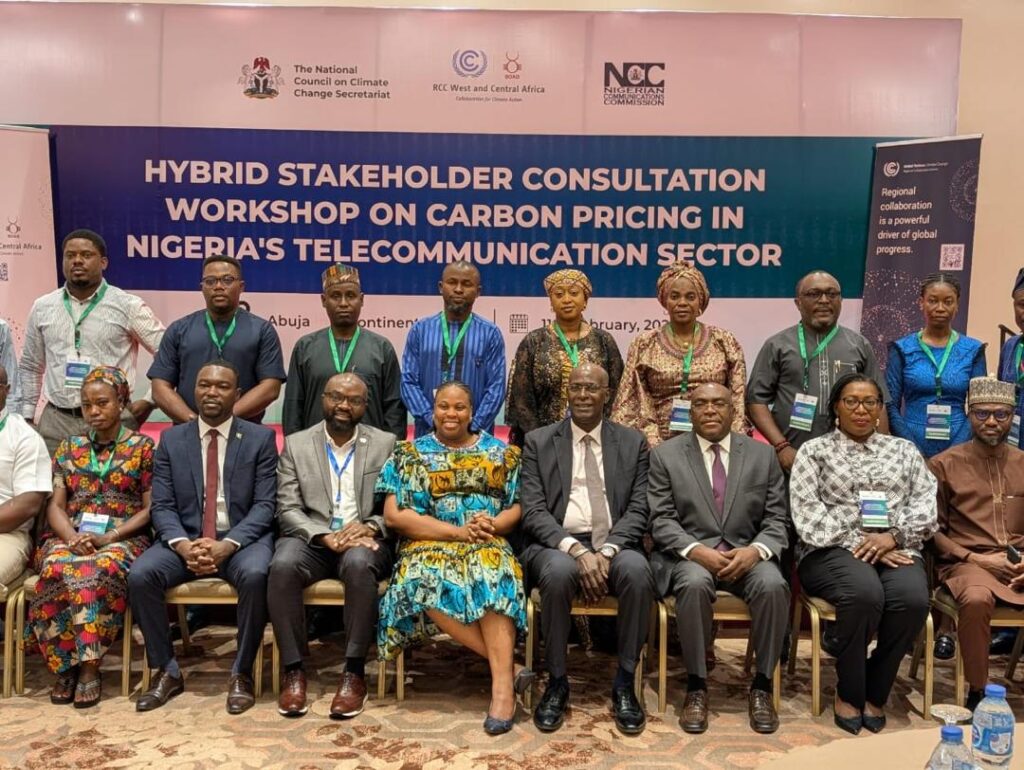
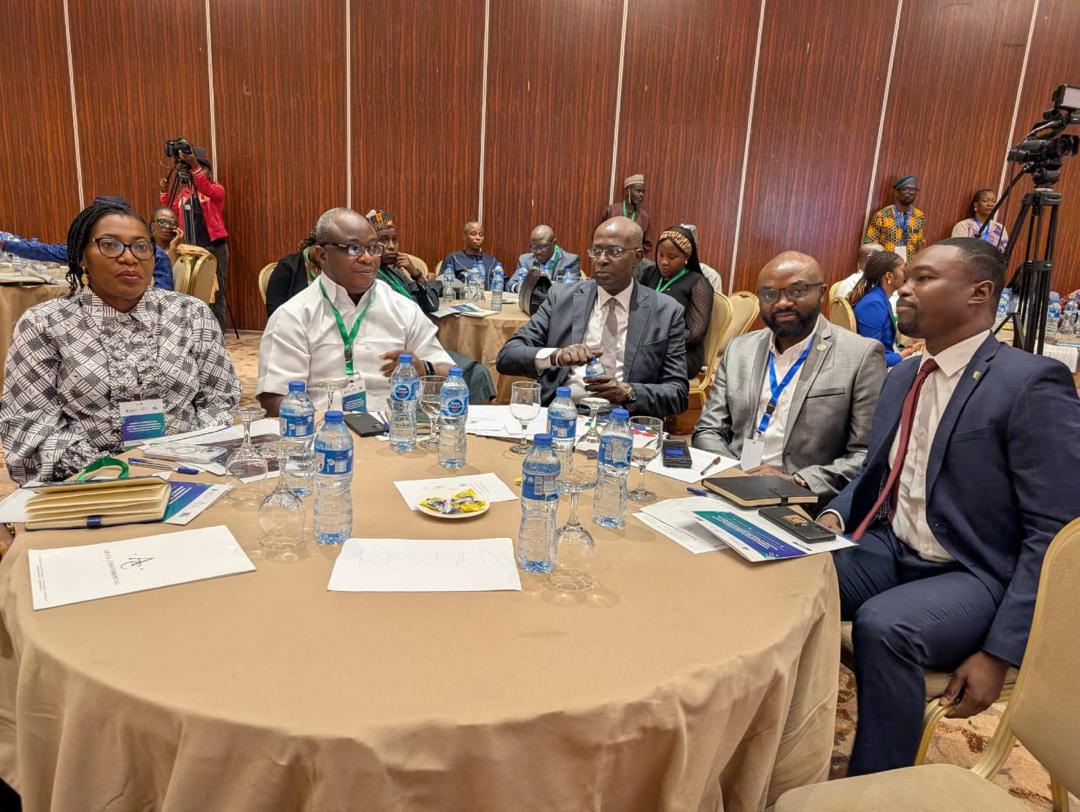
Special Presidential Envoy on Climate Change and Director General, NCCCS, Dr Nkiruka Maduekwe, revealed this plan Tuesday at the Hybrid Stakeholders Consultation Workshop on Carbon Pricing in Nigeria’s Telecommunication Sector, held in Abuja.
According to Maduekwe, this process is underway and benefiting significantly from stakeholder input, ensuring that the final output is robust, practical, and aligned with international best practices.
She said, “Your contributions to this workshop will directly inform the ongoing development of this crucial national framework. Promoting carbon pricing mechanisms, we are exploring the feasibility and implementation of carbon pricing instruments, such as emissions trading schemes and carbon taxes, as stipulated in sections 4 and 15 of the CCA, to incentivise emissions reduction and drive investments in clean technologies.”
Maduekwe, while noting that the workshop will explore the telecommunications sector’s carbon footprint and mitigation opportunities and the various carbon pricing mechanisms and their suitability for the sector, said: “These will also include the potential economic and social impacts of carbon pricing and developing a roadmap for implementation.”
She added that the National Council on Climate Change Secretariat is committed to driving co-creation, which is crucial to fostering implementation, stating, “We recognise that the telecommunications sector is unique, with its own set of challenges and opportunities. Therefore, it is crucial that we adopt a tailored approach that considers the specific circumstances of the sector. Your insights, perspectives, and experiences will provide us with the tools to develop a carbon pricing mechanism that is both effective and feasible for the telecommunications sector.”
She emphasized that with stakeholders collaborative efforts, Nigeria can develop a robust and effective carbon pricing mechanism for the telecommunications sector.
Maduekwe explained, “This mechanism will not only contribute significantly to national emissions reductions but also serve as a valuable model, informing the development and implementation of similar mechanisms in other key sectors of the Nigerian economy. The insights and best practices derived from this pilot initiative will be instrumental in scaling up carbon pricing across various industries, catalysing innovation, stimulating investment, and fostering sustainable economic growth nationwide.”
She noted that the workshop forms part of the process to ensure that the whole government and society own the charted pathway, stating that: “We are exploring the feasibility and implementation of carbon pricing instruments, such as emissions trading schemes and carbon tax as stipulated in sections 4 and 15 of the CCA, to incentivize emissions reduction and drive investments in clean technologies.”
While explaining that the workshop is a prime example of Nigeria’s commitment to inclusive policy development, Maduekwe said: “We believe that collaboration is key to effective climate action. We are actively engaging with stakeholders from the public and private sectors, as well as media, academia, and civil society organisations, to ensure that our policies are inclusive and effective.”
For his part, the Regional Lead United Nations Framework Convention on Climate Change (UNFCC)-Regional Collaboration Centre for West and Central Africa, Mr Walter Tubua, asked all stakeholders to formulate a carbon tax “a pilot carbon tax design” in a transparent and inclusive manner.
He said that the UNFCC is committed to formulating climate change polices that aligns with the Sustainable Development Goals and poverty eradication.
He said, “We are here to work with you on what you want to achieve, and we will be standing right here with you to help you achieve these.”
UN Resident and Humanitarian Coordinator in Nigeria, Mr Mohammed Fall, urged all stakeholders to actively participate, share knowledge, and collaborate to ensure this pilot carbon tax design is effective, equitable, and aligned with Nigeria’s development aspirations.
He emphasized that the workshop’s outcomes will lay the foundation for future climate policies in Nigeria and demonstrate the country’s leadership in adopting innovative solutions for emission reductions.
Fall said, “This collective effort from the UN family, combined with the active participation of the private sector, some of which are with us today, guided by growing ESG principles and supported by forward-thinking policies like carbon pricing, is what will truly drive Nigeria’s transformation towards a resilient, low-carbon future.”
He also reiterated that the UN System in Nigeria is committed to this journey and will continue to partner with the Federal and State Governments of Nigeria.
He added: “The UNFCCC, through the RCC WAC Africa, has also been quite instrumental in supporting our exploration of innovative climate finance mechanisms, including the interesting subject of carbon pricing. The UNFCCC’s guidance has been invaluable in helping all of us navigate this complex landscape, and their support is exemplified by our gathering here today. UNIDO is driving industrial decarbonisation and promoting clean energy projects, helping us to green our industries and build a more sustainable economy.”
Deputy Director, Head, Knowledge Management, Nigerian Communication Commission, NCC, Dr Beluchi Nwanisobi, said the NCC will continue to collaborate with the National Council on Climate Change Secretariat, NCCCS, to achieve its mandate.
NCCCS organized the workshop in collaboration with the Nigerian Communications Commission, with the support of theUNFCCC Secretariat and its Regional Collaboration Centre for West Africa.