…Brings 90% deduction in export tariff
Katherine Abayomi.
In 2021, when Nigeria dropped the instrument of ratification, the Guided Trade Initiative (GTI) was introduced. It is designed to be a critical enabler for exporters and businesses, providing the support and practical guidance necessary for SMEs and exporters to navigate the complexities of cross-border trade within Africa and beyond.
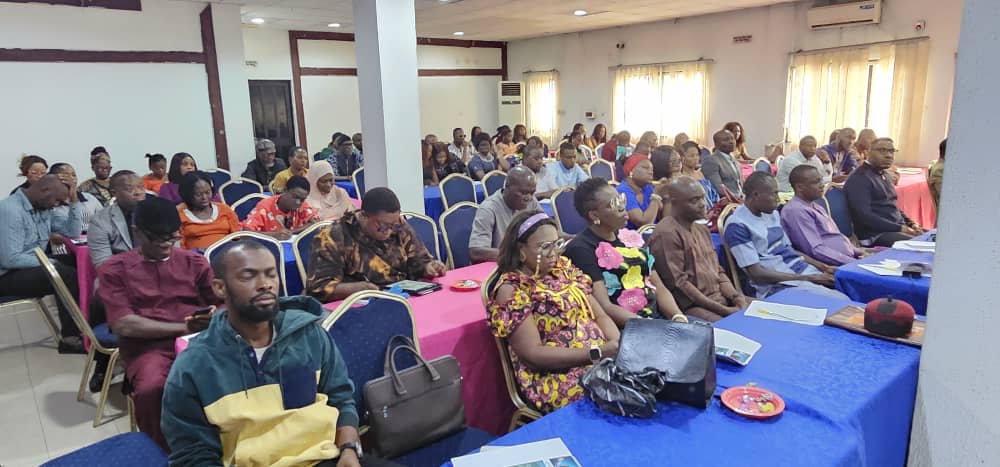
The Nigerian Export Promotion Council (NEPC) held a one-day workshop for Small and medium-scale entrepreneurs (SMEs) on how to position themselves and benefit from the African Continental Free Trade Area (AfCFTA).
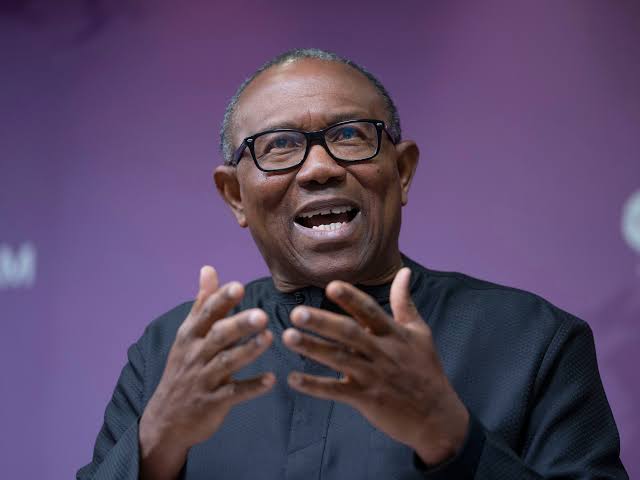
In her opening remarks, the Executive Director of the Nigerian Export Promotion Council (NEPC), Mrs Nonye Ayeni, represented by Deputy Director Market Access (NEPC ), Mr Peter Njoku, stated that the AfCFTA is not just a Trade agreement but a blueprint for Africa’s economic renaissance.
“It is a blueprint for Africa’s economic renaissance through the elimination of tariffs on 90% of goods, reduction of trade barriers, and facilitating the movement of capital and people”
The Executive Director of the Nigerian Export Promotion Council (NEPC), Nonye Ayeni, also stated that the intra-African trade will grow significantly over time and the presence of AfCFTA aims at creating a seamless and integrated African Market, not only to boost intra-African trade but also to make Africa a more attractive destination for global investments. Also, to enhance Nigeria’s trading under the AfCFTA agreement, the Council has signed a Memorandum of Understanding (MoU) with the National Bureau of Statistics (NBS). This will facilitate data capturing of informal cross-border trade.
The ED called on all exporters to take advantage of the training and formalise their export business within the African Market, which will qualify them to key into other laudable initiatives of the council, such as the Export Incentive, Export Market Access programs, Export Trade House Initiative (ETH), Domestic Export Warehouse (DEW) and our flagship “Export 35 Redefined.” This is designed for the benefit of exporters in the non-oil Export sector.
She retorted the council’s unwavering commitment to supporting Export promotion at the sub-national level and acting as a Catalyst in strengthening Exports for economic growth and job creation, so as to increase Nigerian export competitiveness, increase our export volume and earnings, and contribute significantly to Nigerian economic growth.
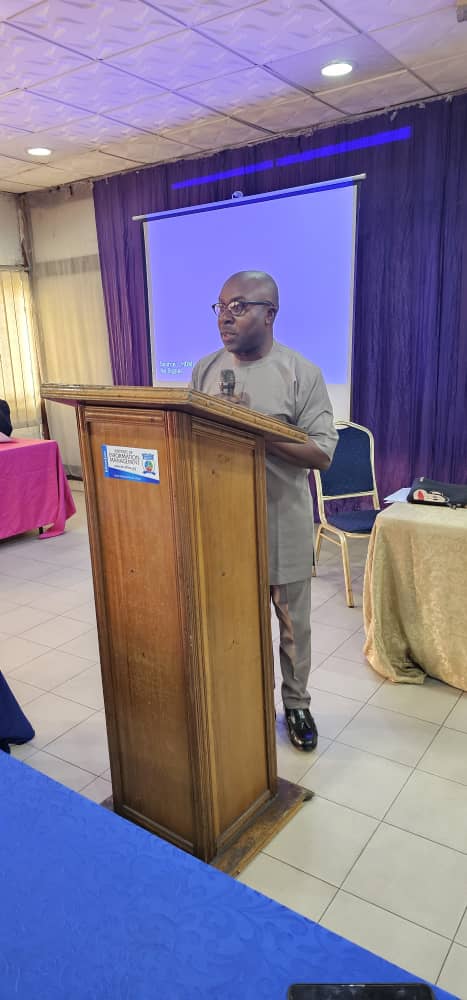
Deputy Director Market Access NEPC Abuja Peter Njoku mentioned the criteria for Successful Exports in Nigeria, stating that for exporters to have full benefits from the AfCFTA agreement, they need to meet the requisite criteria.
“There are basic things we should do to say we are export-ready, it’s only companies that are export-ready that can go into AfCFTA or any other international Continental market for Export.”
Njoku further revealed that the AfCFTA is a market where we can trade duty-free. We have a 90% duty fee on each product, and this makes Exports more profitable.
Executive Director Institute of Export Operations and Management Nigeria Ofon Udofia stated that AfCFTA agreement covers 53 African countries Nigerian inclusive and makes all countries sell under a single tariff which is 90% deduction which was not so before now due to the different trade blocks with different tariffs but with the signing and ratification of agreement all counties are selling under a single tariff which makes our product competitive he retorted.
Executive Director IEO&M Udofia also encouraged all African exporters to use the training to ensure that their products are standard, well packaged, and certified, and not to use other nations as dumping grounds. In the end, they will benefit from the agreement.
Chairman Nigerian Association of Small and medium Enterprises (NASME) Elder Dogala Sakpege stated that AfCFTA agreement will help the members of NASME to do business and bring in more hard currencies that will reflect in the economy of the state and country .
He further calls on the government and banks to provide the Association with funding to increase its production.