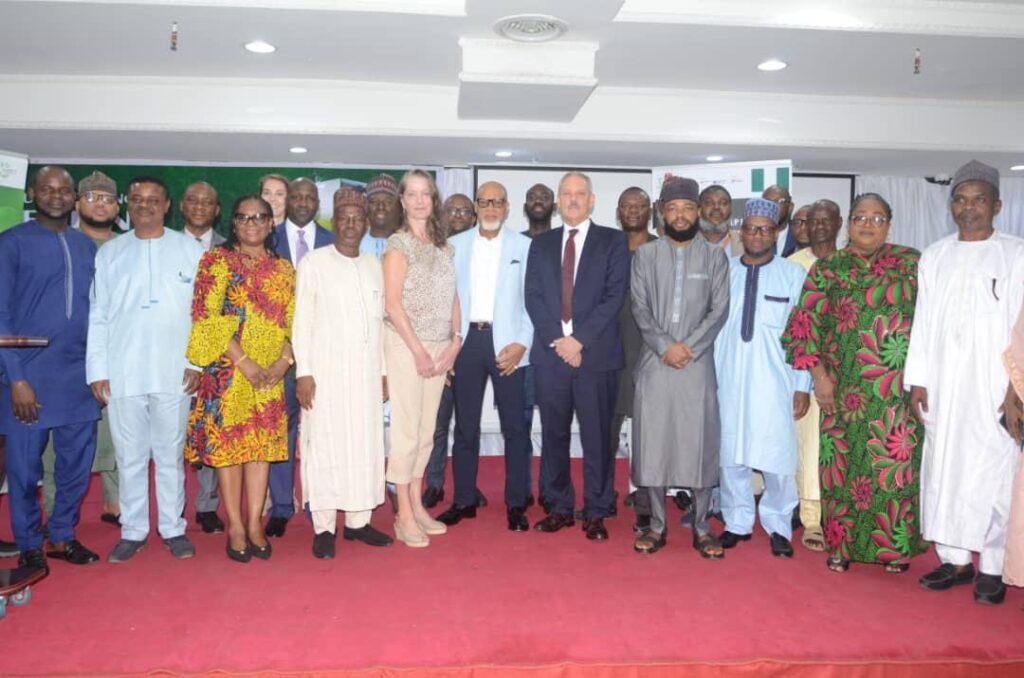
The German Ambassador to Nigeria, Annett Gunther, has said her country depends on Nigeria, among a few other countries, to meet its hydrogen needs and transition to green energy.
The envoy also said Nigeria’s abundant natural resources, location, and forward-thinking leadership have positioned it well as an emerging hydrogen economy.
Speaking in Abuja on Thursday at the opening of a two-day working group meeting on Nigeria’s hydrogen policy, Gunther
Germany recognised Nigeria’s immense potential in renewable energy, which is essential for producing green hydrogen.
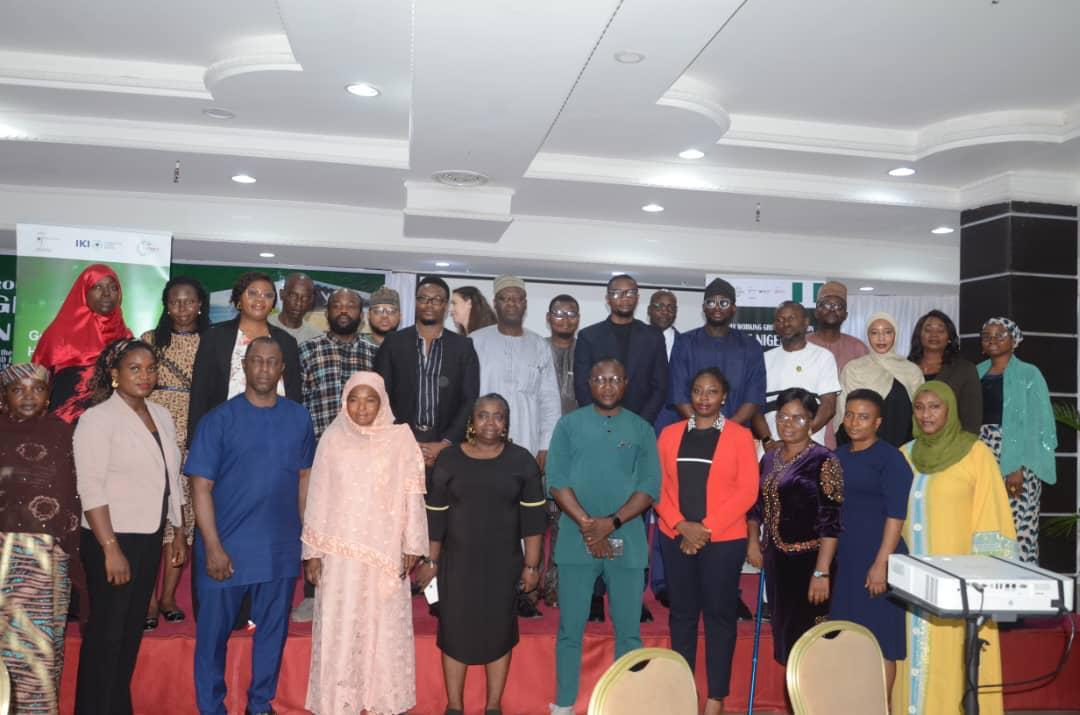
The meeting, sponsored by a German agency, Deutsche Gesellschaft fur Internationale Zusammenarbeit (GIZ), brought together key stakeholders in the hydrogen economy to examine the Country’s draft policy and identify key strengths and gaps.
The German Ambassador to Nigeria said, “Germany recognises Nigeria’s immense potential in renewable energy, essential for the production of green hydrogen.
“Your country’s abundant natural resources, strategic location, and forward-thinking leadership position Nigeria advantageously in the emerging global hydrogen economy.”
She noted that for her country to reach its climate goals, including net-zero 2045, strong and reliable international partnerships with countries like Nigeria are essential.
While speaking on Germany’s hydrogen economy, the envoy said: “Recognising the pace of global innovation, this strategy has since been updated and expanded—most recently with the introduction of our hydrogen import strategy. This reflects a clear understanding: Germany will not be able to meet its hydrogen needs through domestic production alone. Strong and reliable international partnerships are essential to reach our climate goals, including net-zero 2045. In this context, we also see pioneering countries like Nigeria as key partners—countries that combine renewable potential with ambition, technical expertise, and a shared vision for a climate-neutral future.”
For his part, the Country Director of GIZ Nigeria and ECOWAS, Dr. Marcus Wagner, assured of his country’s readiness to continue supporting Nigeria’s path towards energy diversification and creating a sustainable hydrogen economy.
He said: “Germany looks forward to continuing to support Nigeria on its path towards energy diversification and in creating a sustainable hydrogen economy.
“We are convinced that today’s discussions will provide valuable insights that will contribute to the finalization of the hydrogen policy.”
Wagner pointed out the importance of the process, saying that the national hydrogen policy is to form the foundation for a future-oriented, sustainable hydrogen economy in Nigeria.
He said: “A time of global transition towards sustainable energy systems, Nigeria is positioning itself as a pioneer on the African continent with this step.”
He explained that the working group meeting will provide a unique platform for inclusive dialogue among all relevant stakeholders.
He charged the experts that their “expertise and commitment are crucial in developing a hydrogen policy that reflects the specific needs and potentials of Nigeria.”
In his remarks, Senator Atiku Bagudu, Minister of Budget and Economic Planning, said that with strategic planning, hydrogen can become the country’s next major foreign income earner.
Bagudu, represented by the ministry’s director of economic growth, said: “It is important to know that distinguished stakeholders that Nigeria possesses the core assets to lead in the hydrogen economy space due to its abundant renewable energy sources, ideal for hydrogen production. With strategic planning, hydrogen can become a cornerstone of our diversification agenda, reducing our over-reliance on crude oil exports while unlocking new revenue streams, industrial development, regional trade, and exports to the international market.”
He said the primary objective of the workshop is therefore “to present the Zero Draft Hydrogen Policy to this distinguished gathering of professionals, with the aim of gathering your expert feedback, constructive criticism, and valuable insights to further refine and strengthen the policy.”
He also explained that “In partnership with key stakeholders, the Ministry with support from the German-Nigerian Hydrogen Office has crafted a Zero Draft of the National Hydrogen Policy, designed to establish a comprehensive framework for Nigeria’s hydrogen economy.
“This policy outlines the roles and responsibilities of government agencies, private sector entities, and research institutions, providing a roadmap for the development of hydrogen infrastructure, research and development initiatives, and stringent safety and regulatory standards.”