

By Barikui Felix
The Hydrocarbon Pollution Remediation Project (HYPREP) has urged ex-artisanal refiners and youth groups in Ogoniland to intensify efforts in the ongoing campaign against environmental re-pollution in the region.
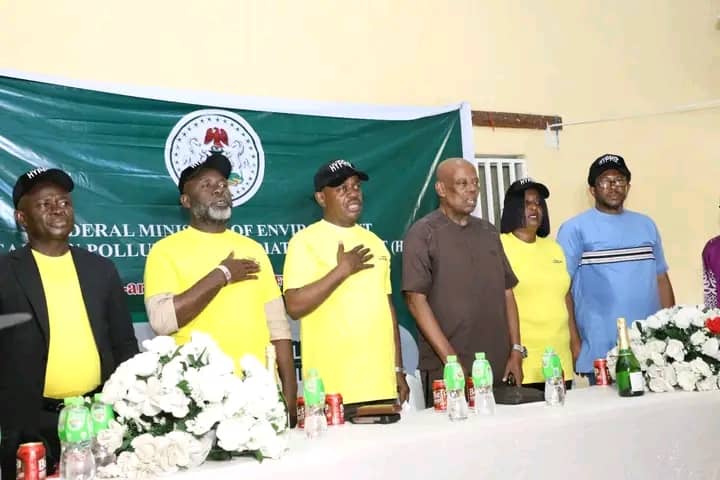
Speaking at a sensitization forum themed “Clean-up: Gains, Sustainability, and Prosperity of Ogoniland,” held in Eleme Local Government Area of Rivers State, HYPREP Project Coordinator, Prof. Nenibarini Zabbey, reiterated the agency’s commitment to providing sustainable alternative livelihoods for the people. He appealed to participants to refrain from practices that could further damage the Ogoni environment.
The engagement is part of HYPREP’s continued collaboration with ex-artisanal refiners aimed at consolidating the gains of the Ogoni Cleanup Programme through the promotion of environmentally friendly and economically viable livelihood options.
Represented by the Director of Technical Services, Prof. Damian-Paul Aguiyi, Zabbey emphasized the environmental harm caused by illegal bunkering and related activities. He noted that the programme’s objective is to support a complete transition away from such practices and guide beneficiaries toward more sustainable means of livelihood.
Commending the ex-refiners for embracing change, Zabbey assured them of HYPREP’s readiness to deepen collaboration with youths in the area to ensure that artisanal refining is completely eradicated.
“We are encouraging you to continue on the path you’ve chosen. HYPREP remains committed to providing you with specialized training and sustainable livelihood alternatives that will enable you to permanently abandon artisanal refining,” he stated.
Also speaking, one of the facilitators of the sensitization programme, Dr. Elvis Ikoma, described the event as a continuation of efforts to prevent re-pollution. He noted that the programme has recorded substantial success in youth sensitization since its inception.
Delivering the keynote address, Prof. Dinebari Badey outlined various livelihood opportunities that ex-artisanal refiners can explore to secure sustainable income.
Meanwhile, in light of the global challenge posed by plastic pollution, Prof. Zabbey recommended adopting elements of the Ogoni Cleanup model to tackle the issue. He emphasized the need to develop local capacity, embrace community-based approaches, and support innovative research.
Zabbey made the recommendation while speaking as a panelist during a breakfast debate and prize remittance ceremony organized by the French Embassy to mark International Environment Day at the French Institute in Abuja.
Alongside fellow panelists—Prof. Aina Adedogun of the University of Ibadan and Mr. Nyananso Ekanem of Weircapacity—Zabbey contributed to discussions on the topic “From the Lagos Lagoon to the Côte d’Azur in Nice: A Shared Responsibility in the Face of Plastic Pollution.”
He highlighted HYPREP’s innovative use of biodegradable Growcoon bags for nursing mangrove seedlings as a viable alternative to single-use plastic bags, stressing its potential for broader environmental application.