The European Union (EU) has allocated €500,000 (over N900 million) in humanitarian aid to provide emergency support for children and mothers suffering from severe acute malnutrition in Northern Nigeria. This intervention comes in response to alarming malnutrition rates recorded across several northern states.
According to a statement released on Friday by the EU, the funding will enable the Nigeria Red Cross Society to assist around 170,000 households affected by or at risk of malnutrition in Adamawa, Benue, Borno, Katsina, Niger, Sokoto, Taraba, Yobe, and Zamfara States.
The aid will focus on lifesaving support for over 30,000 children urgently in need of treatment. Community outreach and screening activities will be combined with outpatient care for uncomplicated severe cases using ready-to-use therapeutic food. More complex cases will be referred to health centres for specialised care, in line with Nigeria’s national health protocols.
The Red Cross will also scale up its health and nutrition efforts while enhancing the medium-term resilience of vulnerable families. These efforts will include improved access to water, sanitation, hygiene, and protection services.
The EU stated that the funding is part of its broader contribution to the Disaster Response Emergency Fund (DREF) managed by the International Federation of Red Cross and Red Crescent Societies (IFRC).
The statement revealed that in the Northeast (Adamawa, Borno, and Yobe) and Northwest (Katsina, Sokoto, and Zamfara), an estimated 5.44 million children under the age of five are acutely malnourished, with about 2 million projected to suffer from severe acute malnutrition requiring urgent treatment during the lean season from June to September 2025.
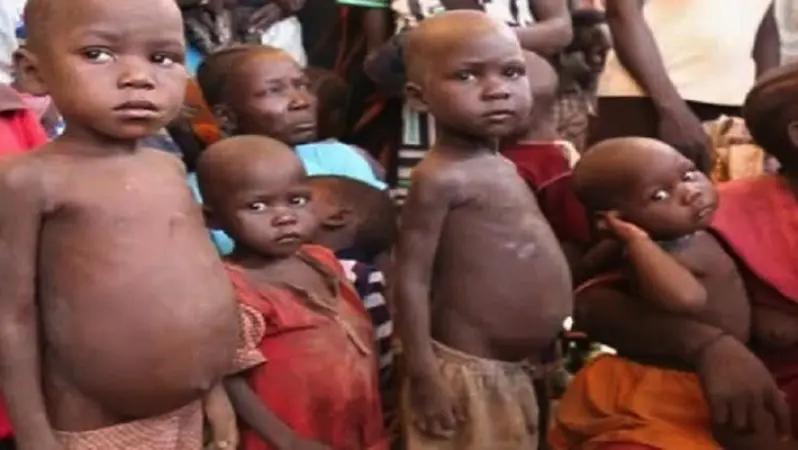
The EU described the nutrition crisis as worsening, citing ongoing conflict and insecurity that have led to mass displacement, loss of livelihoods, and limited access to essential healthcare services for already vulnerable populations. The situation is further aggravated by economic hardship, climate-related shocks such as flooding, and poor maternal and child feeding practices.
The European Union and its Member States remain the world’s leading donors of humanitarian aid. The EU noted that its assistance represents a gesture of solidarity with people in need worldwide, with the goal of saving lives, reducing suffering, and protecting the dignity of populations affected by natural and man-made disasters.
Through its Civil Protection and Humanitarian Aid Operations, the EU provides relief to millions of victims of conflict and disasters annually. With its headquarters in Brussels and a global network of field offices, the EU delivers aid based solely on humanitarian needs.
To further strengthen its commitment, the European Commission has signed a €12 million humanitarian delegation agreement with the IFRC to support the DREF. The fund is primarily used for small-scale disasters that do not warrant a formal international appeal.
Established in 1979, the DREF is supported by contributions from international donors. When a National Red Cross or Red Crescent Society requires immediate funds for disaster response, it may request support from the DREF. For smaller emergencies, the IFRC provides grants from the fund, which are later replenished by donors. Under the agreement with the EU’s Civil Protection and Humanitarian Aid department (ECHO), the DREF can be replenished for designated operations up to €12 million.