

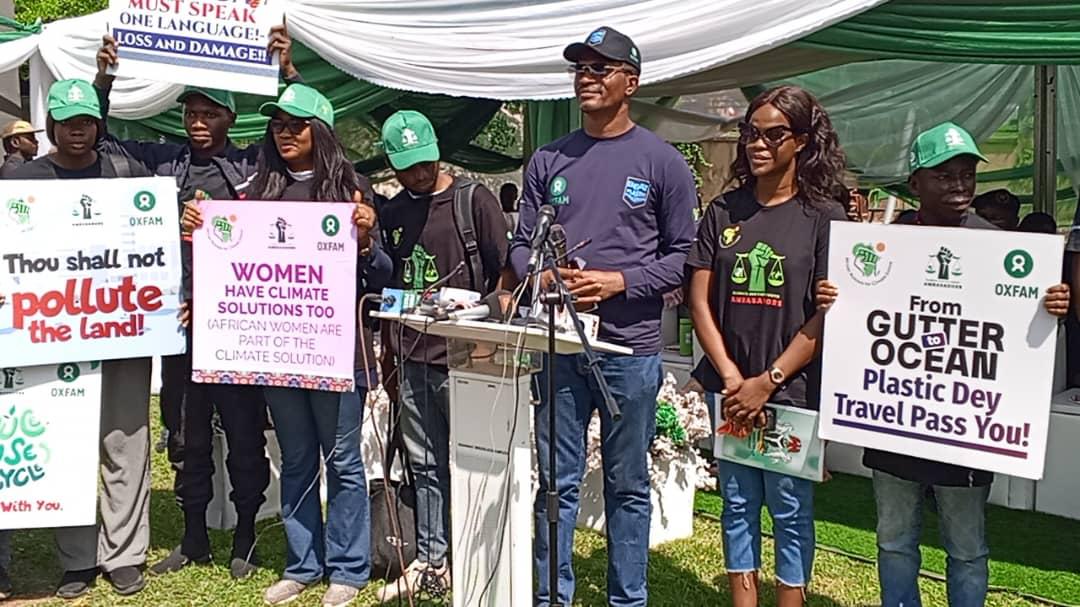
The Economic Community of West African States (ECOWAS) has urged stakeholders across the region to invest in eco-innovation and alternatives to plastic as part of efforts to tackle the growing threat of plastic pollution. The West African subregion generates nearly eight million metric tonnes of plastic waste annually, a figure projected to increase by 52 percent within the next five years. Over 80 percent of this waste is reportedly poorly managed, posing serious threats to human health, ecosystems, and blue economy sectors such as fishing and tourism.
The call was made on Tuesday in Abuja during an event commemorating World Environment Day under the theme, “Together, We Can Beat Plastic Pollution.” ECOWAS emphasized that plastic pollution has evolved into a transboundary issue requiring coordinated regional action.
Commissioner for Economic Affairs and Agriculture, Massandje Toure-Litse, represented by Acting Director of Environment and Natural Resources, Mr. Yao Bernard Koffi, described the fight against plastic pollution as a test of the region’s resolve to act collectively—governments, private sector, civil society, and citizens alike. She reaffirmed the Commission’s commitment to a clean, resilient, and sustainable environment for future generations.

Toure-Litse noted that ECOWAS had taken concrete steps by adopting Regulation C/REG.17/12/23 on plastics management in 2023, which mandates member states to harmonize their regulations on plastic products and adopt global best practices in plastic waste management. She cited encouraging developments in some countries: Ghana and Nigeria are scaling up circular economy initiatives, while Senegal and Côte d’Ivoire have introduced plastic bag bans and extended producer responsibility frameworks. ECOWAS, she added, is supporting efforts to harmonize environmental standards and promote green industrialization across the region.
She revealed that a draft regional plastics management plan has been developed with support from the World Bank. She called on all stakeholders to invest in eco-innovation and plastic alternatives, support community-led waste management solutions, strengthen the enforcement of environmental regulations, and foster youth-driven climate action.
As the region marks World Environment Day, she urged that the focus must shift from words to actions, and from excuses to solutions. She reiterated ECOWAS’ readiness to work alongside Nigeria and other partners to beat plastic pollution.
Nigeria’s Minister of Environment, Balarabe Abbas Lawal, also spoke at the event, describing plastic pollution as both an environmental and public health crisis. He lamented the ongoing dumping of plastic waste into oceans, rivers, and drainage systems, which endangers wildlife and contributes to urban flooding. Lawal stressed that Nigeria faces severe challenges in managing plastic waste, with the proliferation of sachet water bags and microplastics entering the food chain posing major public health concerns.
He assured ECOWAS of the Federal Government’s unwavering commitment to a cleaner, greener, and more resilient environment, in line with President Bola Ahmed Tinubu’s Renewed Hope Agenda. He listed several initiatives the government is undertaking, including the development and implementation of a National Policy on Plastic Waste Management, which promotes recycling and innovation in alternatives to single-use plastics.

He added that the Ministry of Environment is supporting circular economy models and has launched the Extended Producer Responsibility (EPR) Programme, which mandates producers to manage the full lifecycle of their plastic products. The ministry, he said, is also collaborating with stakeholders across sectors to ensure environmental policies are translated into measurable outcomes.