Civil Society Urges Transparency in Nigeria’s Defense and Security Sectors
By Katherine Abayomi
With Nigeria’s security challenges escalating, civil society organizations are calling for greater transparency and accountability in the defense and security sectors.
These calls come as the country grapples with threats from Boko Haram, the Indigenous People of Biafra (IPOB), the Eastern Security Network (ESN), and other armed groups. Many of these groups claim to be pursuing ideological or political causes but have inflicted violence and instability on citizens.
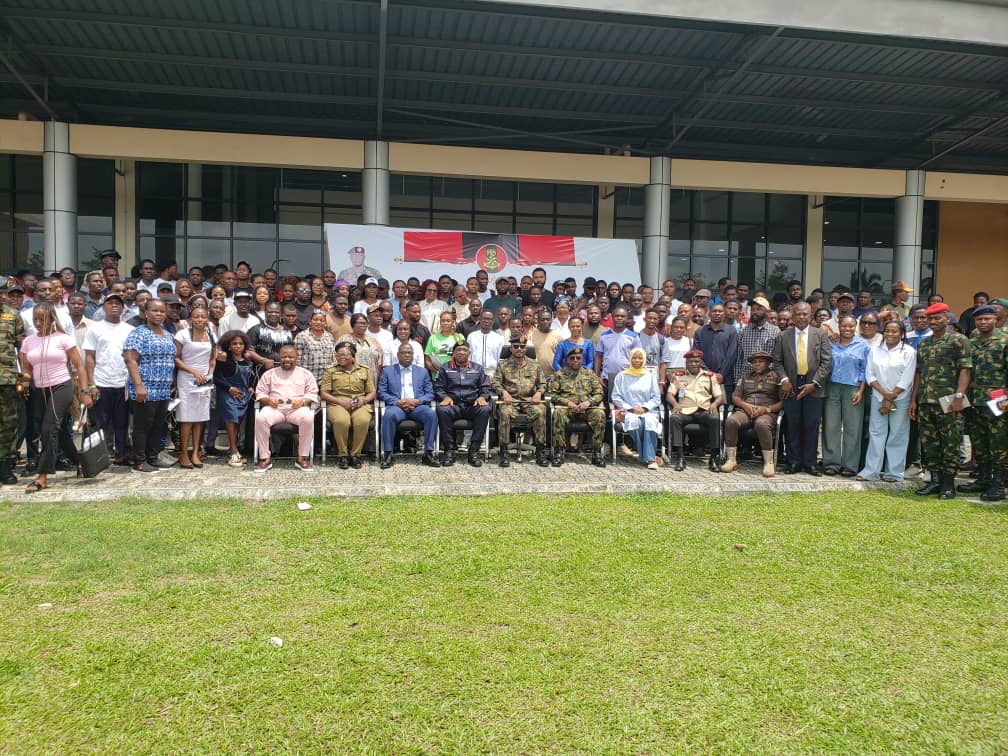
In collaboration with Transparency International, the Civil Society Legislative Advocacy Center (CISLAC) held a press briefing in Port Harcourt to highlight deficiencies in the sector, including financial mismanagement, outdated policies, and insufficient support for personnel on the front lines.
Jimoh Abubakar, CISLAC’s Program Manager for Defense and Security, emphasized the need for reform.
“Operations in the sector are shrouded in secrecy. Personnel are left in the field for years without proper care or tools, and allowances are delayed. Even those killed in service or retired are often denied their rightful benefits. This undermines morale and motivation. There’s a pressing need for reforms to ensure accountability and adequate remuneration.”
Abubakar also called for declassifying certain information within the sector to enhance transparency. “The defense and security sectors are vital for national protection, but their lack of accountability raises concerns. Unlocking transparency is crucial to moving the country forward.”
Gender inclusion was also a focal point, with Abubakar advocating for the protection of women’s rights within the sector to prevent abuse and ensure equal opportunities.
Isaac Green, Executive Director of Relief Africa, urged citizens to demand accountability. He criticized the over-reliance on secrecy.
“Classified information often becomes a barrier to achieving transparency. Citizens must question what they are told and push for the declassification of non-sensitive information to hold authorities accountable.” He further recommends that citizens be able to ask vital questions when necessary.
“There are a lot of lapses, and these lapses come in the form of paperwork, and we look at some of the information that they have been classified, we think that it’s only when that information is declassified that you can have accountability, whether you have classified information that would have ordinary gone out to the public it becomes problem because those who are in charge of discharging their duties become a stumbling block to achieving the aim or goal of whatever purpose they want to achieve. He retorted that when we all come as a front and begin to ask questions, they will start to declare the information they think is not meant for the public. “
The event underscored the urgent need for reforms that prioritize the welfare of personnel and ensure public funds are used effectively in the fight against insecurity. Civil society organizations believe these steps are essential for restoring public confidence and strengthening Nigeria’s defense and security infrastructure.