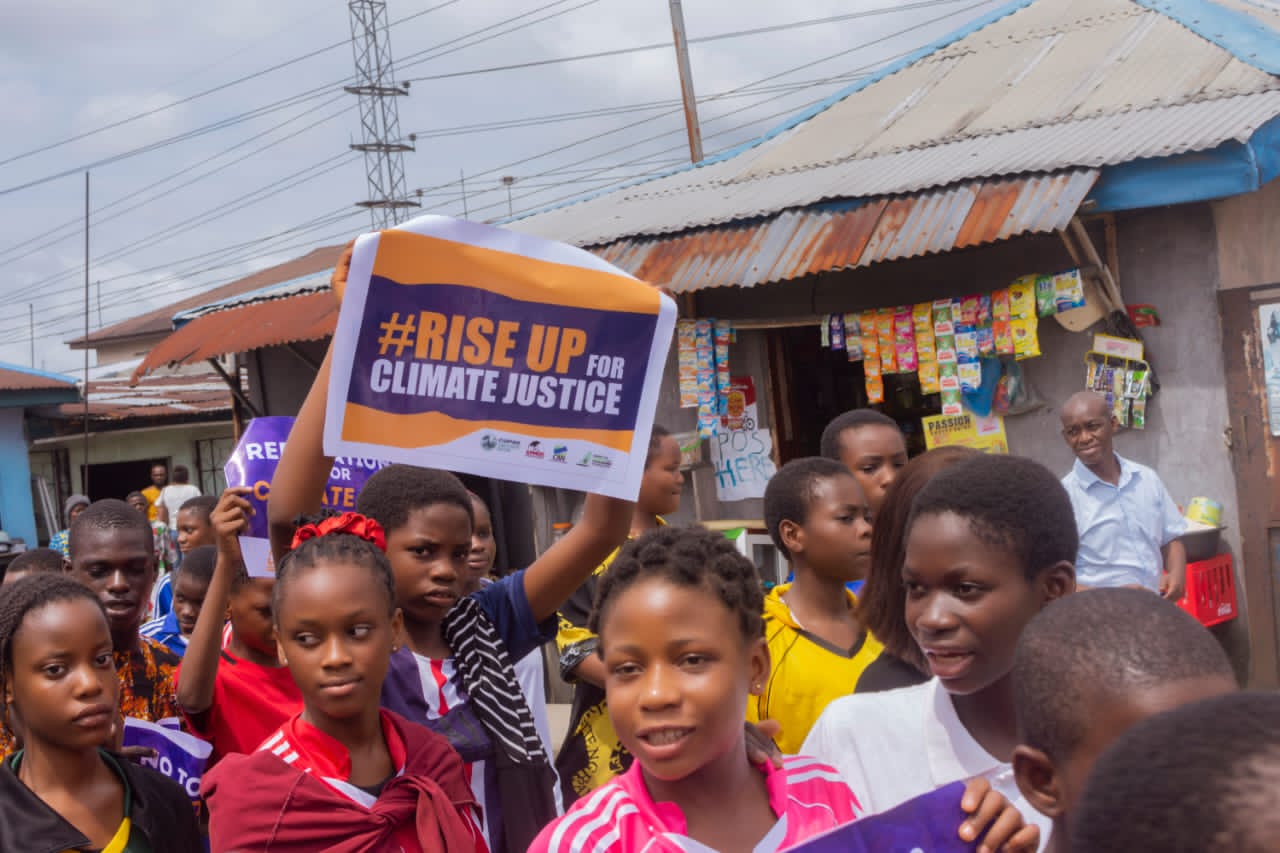
Communities impacted by coal extraction in Enugu state have raised urgent concerns over the devastating health, environmental, and socio-economic impacts of coal operations in their territories.
During a recent capacity-building and community-strengthening workshop organized by Rights Advocacy and Development Centre (RADEC), residents spoke with one voice, demanding an immediate end to harmful coal activities, protection of their rights, and a transition toward clean and community-controlled energy solutions.
Community members highlighted worsening air and water pollution, loss of farmland and livelihoods, increasing respiratory illnesses, forced displacement, and a growing climate burden fueled by coal extraction.
Women and youth representatives also expressed fears over rising insecurity, shrinking civic space, and intimidation of environmental defenders who speak out against destructive extractive activities.
Speaking to Journalist, the community development chairman (CDC) Chief Rufus Osakwe said “Coal has brought nothing but hardship to our people. We have polluted streams, sick children, and farmlands that no longer produce. We want justice and a future that protects life, not one that sacrifices us for profit,” said Chief Osakwe, who spoke on behalf of the community at the meeting.
The workshop strengthened local capacities on environmental rights, advocacy tools, legal remedies, and community-based monitoring, empowering residents to defend their land, health, and environment.
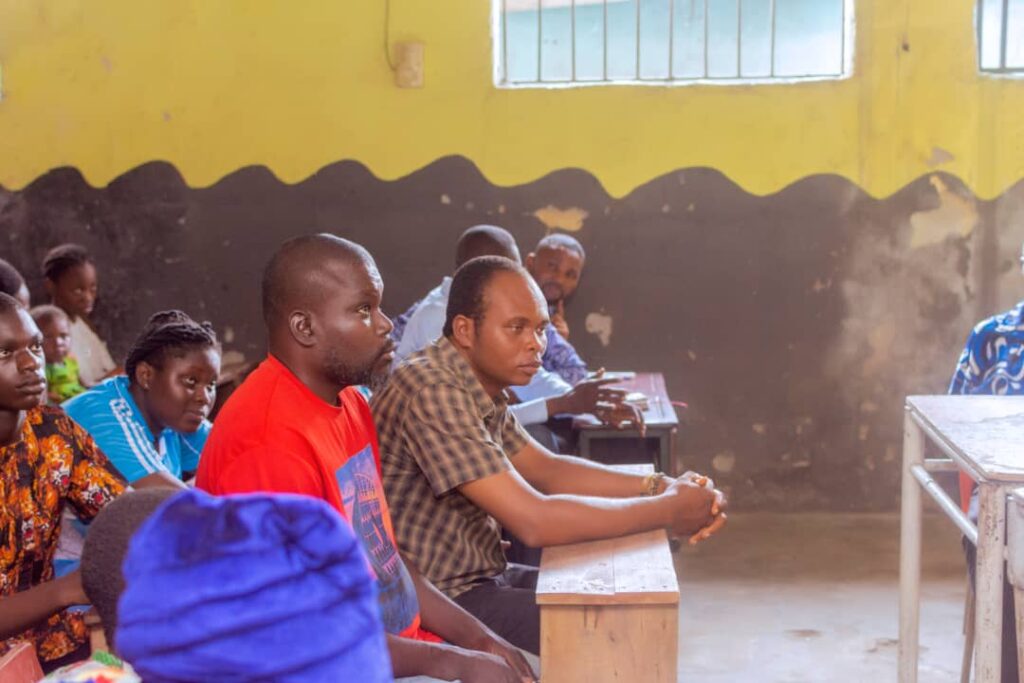
Following the engagement, RADEC and community members issued the following key demands and recommendations:
COMMUNITY DEMANDS & RECOMMENDATIONS
- Immediate halt to harmful coal extraction and expansion until community rights, free prior and informed consent (FPIC), gender considerations, and environmental standards are guaranteed.
- Full remediation and restoration of polluted lands and water sources, with compensation paid to affected households and farmers.
- Protection of environmental defenders and the assurance of civic freedoms without intimidation or harassment.
- Transparent environmental and social impact assessments (ESIA) with genuine community participation, not rubber-stamped processes.
- Investment in clean, renewable, and community-led energy alternatives, instead of continued dependence on dirty fossil fuels.
- Access to healthcare services for pollution-related illnesses and continuous monitoring of air and water quality in impacted areas.
- Livelihood support for women and youth through sustainable agriculture, skills programs, and climate-friendly economic alternatives
Conclusion:“Coal is not development , rather it is a death sentence for frontline communities and our climate. Government must listen to the voices of the people and invest in solutions that bring life, dignity, and sustainability,” RADEC reaffirmed its commitment to continuing solidarity with local communities and strengthening their capacity to challenge environmental injustices and champion a just, equitable energy transition said Ejit Josiah, Program Manager RADEC..