CSO Faults Energy Transition Plan Over Lack of Community Input
By Uko Etim, Uyo
A Civil Society Organisation, Shehu Musa Yar’Adua Foundation, has criticised the Energy Transition Plan (ETP) for failing to gather concerns from impacted communities, particularly in Niger Delta, before its implementation.
The Director, Partnership and Development, Yar’Adua Foundation, Mr. Amara Nwankpa, made this known during a one-day workshop on shaping an inclusive energy future in the Niger Delta in Uyo over the weekend.
Nwankpa said, “The global energy transition is underway, and the Niger Delta will be severely impacted by the shift away from fossil fuels if urgent steps are not taken”
“We are engaging community activists and leaders to discuss energy transition. As countries shift away from fossil fuels, demand for hydrocarbons and oil will decrease, leading to reduced revenues from fossil fuels, which Nigeria heavily relies on
“Nigeria’s Energy Transition Plan identifies gas as a transition fuel, significant to the Niger Delta.”
Nwankpa emphasised that considering the needs and interests of the Niger Delta communities is crucial.
“This can only happen through engagement with these communities, listening to their needs, understanding their energy challenges, and ensuring fairness in planning.”
“Unfortunately, the current Energy Transition Plan lacks sufficient consultation with impacted communities.
“We urge Energy Transition Planners to listen to the people of the Niger Delta and prioritize community concerns. Closing the affordability gap is essential to ensure access to modern energy,” he added.
Dr. Nnimo Bassey, Executive Director of Health of Mother Earth Foundation (HOMEF), also expressed concerns about Nigeria’s energy poverty.
According to him, “Despite abundant energy resources, only 40% of Nigerians have access to electricity, which is alarmingly low. Our energy production and distribution systems are inefficient.”
Bassey advocated for decentralized energy systems, managed and maintained by communities, to meet their needs.
“The national grid is not the solution, especially with frequent collapses. Communities should have their own power systems to manage and maintain.”
The expert emphasized the need for a just energy transition, considering the inevitable shift to renewable energy.
“Government should support community initiatives and prioritise the plight of the people,” Bassey concluded.
The Nigerian Energy Transition Plan aims to promote a fair, inclusive, and equitable energy transition, with gas as a transitionary fuel, however, experts stress the importance of community engagement and consultation to ensure a successful transition
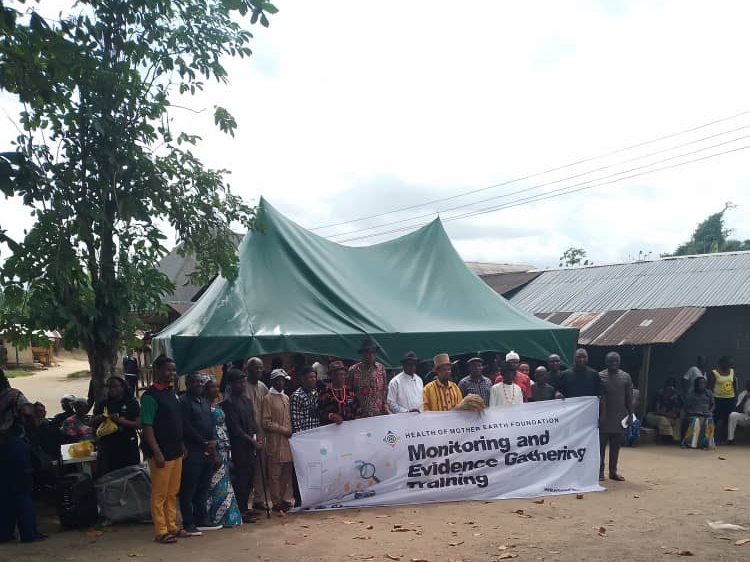
Our correspondent reports that the event was organised by Shehu Musa Yar’Adua Foundation in collaboration with Health of Mother Earth Foundation and the Africa Policy Research Institute.