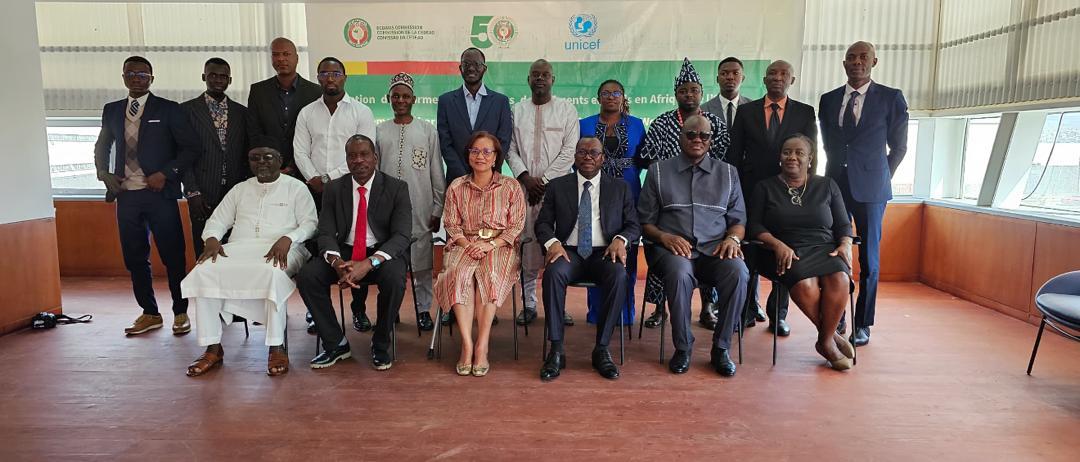
The ECOWAS Technical Committee for Standards Management (TMC) convened a crucial session in Praia, Cape Verde, on July 28–29, 2025, to review and validate revised regional standards for fortified food products, including iodized salt, fortified vegetable oils, and fortified wheat flour.
Supported by UNICEF, the meeting aligns with ongoing efforts to combat malnutrition across West Africa and forms part of the broader implementation of the ECOWAS Common Industrial Policy (PICAO) and the ECOWAS Standards Harmonization Model (ECOSHAM). The updated standards aim to bolster regional nutritional security by ensuring alignment with global benchmarks while addressing specific public health priorities within member states.
In his opening remarks, Mr. Lassané Kaboré, ECOWAS Director of Industry, underscored the importance of harmonized food standards in enhancing consumer safety and strengthening the competitiveness of local industries. He also revealed plans to initiate the development of new standards for complementary foods targeted at infants and young children in collaboration with UNICEF.
Also speaking at the session, Mr. Siméon Nanama, UNICEF Regional Nutrition Advisor for West and Central Africa, stressed the urgent need for decisive action against malnutrition, describing it as a serious barrier to the region’s development. He endorsed food fortification as a long-term solution and praised the ECOWAS-UNICEF partnership for its role in driving forward critical nutrition-focused policies.
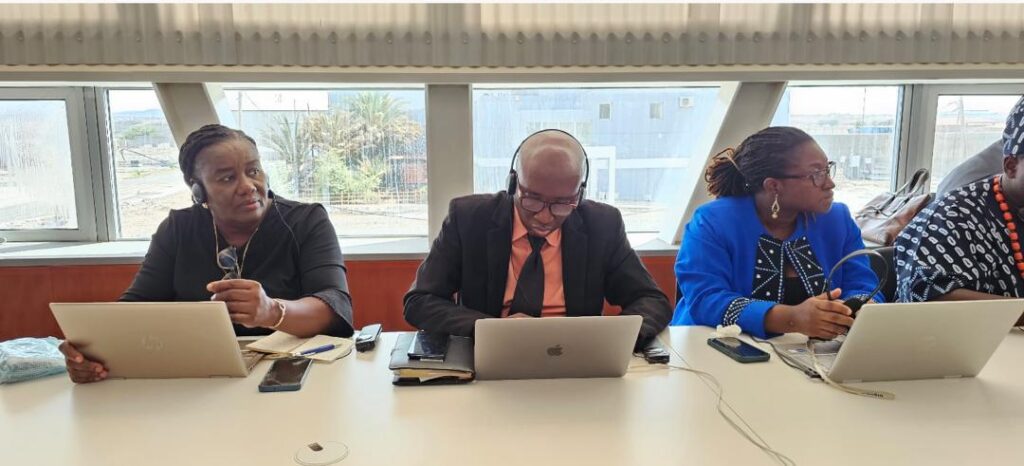
Beyond food standards, the committee also confirmed the reconstitution of the leadership for four sectoral technical committees—THC2 (Food Products), THC4 (Buildings and Construction Materials), THC8 (Textiles and Clothing), and THC9 (Information and Communication Technologies)—to reflect recent membership changes.
Ms. Ana Paula Spencer, President of Cape Verde’s Institute for Quality Management and Intellectual Property (IGQPI), applauded ECOWAS for its leadership in establishing a regional quality infrastructure. She noted that such systems are essential for promoting fair and safe trade practices within and beyond the region.
The newly revised standards are expected to serve as critical tools in the region’s long-term strategy to reduce malnutrition and improve public health outcomes, particularly for vulnerable populations.