Environmental Justice To Propagate Women’s Inclusion in Energy Transition
Katherine Abayomi.
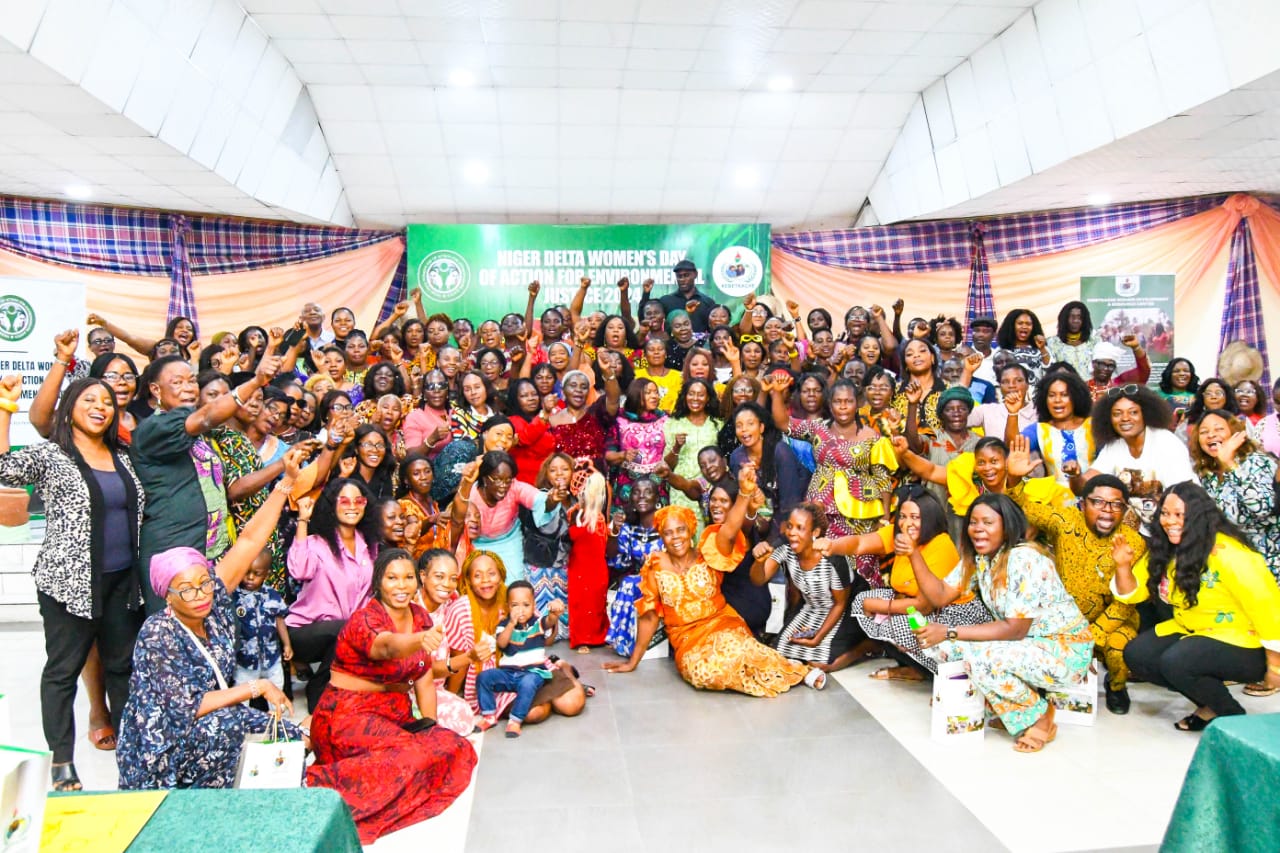
As a result of interventions on the UNEP report and clean-up in Ogoniland, Niger Delta women resolved to commemorate the “NIGER DELTA Women’s DAY OF ACTION FOR ENVIRONMENTAL JUSTICE. “
This year’s convergence was no exception. The two-day event, held from December 4th to 5th, 2024, in Port Harcourt, had the theme “Extraction to Restoration Ensuring Justice and Inclusion for Women in Energy Transition.” The convergence aims for women to reflect on their experiences, expectations, concerns, and challenges posed by oil extraction activities in the Niger Delta.
Dr.Emem Okon, the Executive Director of Kebetkache Development Center, in her welcome remarks, stated ;
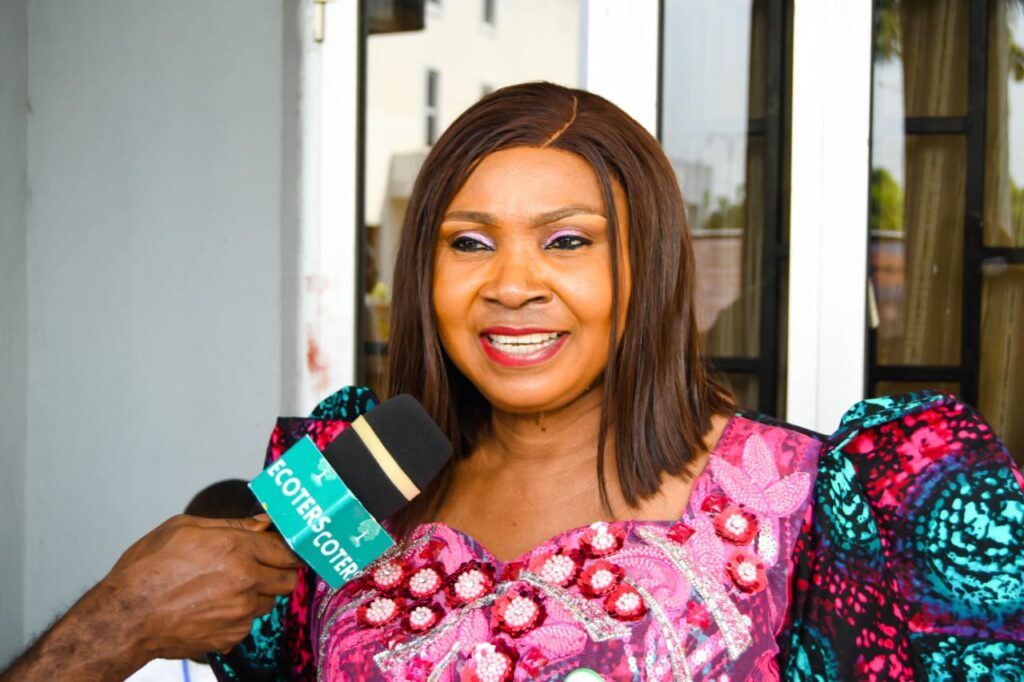
“The Women’s Day of Action is a period when women deeply consider the effects of oil extraction, oil and gas extraction on women, or the benefits of the oil business. It is a period of significant mobilization, a period of promoting solidarity and sisterhood among women in the Niger Delta.”
“The day of action has also become a coping mechanism, a day that laughs over pollution, a day that we spite poverty, gas flares, flooding, inequality, capitalism, and colonialism. The Women’s Day of Action is a season in which we question our power to resist and power to make change. On this day, we shout, cry, and sing! It is a period to Build Women’s Power!”
Dr Okon further stated that the year’s theme will enable women to understand their role in energy transition.
“Energy transition allows men and women to improve their access to technical and leadership training, skills development, and decent and high-quality jobs.”Will women be left behind? Is energy transition a ploy to take the remaining land meant for agriculture? The presentations and the arguments will enable us to understand the role of women in energy transition.
She noted that the UN’s goal is to ensure that women are involved in environmental decision-making at all levels, integrate their concerns into policies and programs, and establish a way to assess the impact of development and environmental policies on women.
The keynote speaker, Tengi George-Ikoli, senior officer and lead of the National Resource Governance Institute (NRGI) program and Global Seat, who was represented by Faith Nwadishi, stated in her paper presentation that women are at the frontline of all of this Energy translation.
She advised that transparency, accountability, and Inclusive participation must be the core strategy to ensure a just and sustainable energy transition and mitigate the negative impacts on women. She stated the various ways in which women have been cheated and advised that women should not just be considered in energy policy but actively involved in leadership roles.
“Justice requires that women are not only considered in energy policy design but actively involved in leadership roles, enabling equitable outcomes. Education and training programmes should target women to build capacities for participating in green jobs.”
“Investment in women-led energy initiatives has a multiplier effect on community well-being, fostering economic stability and social cohesion. Governments and private sectors must adopt gender-responsive budgeting and allocate resources to initiatives that empower women in the energy transition.” she retorted.
In his goodwill message, Oxfam Nigeria’s programme manager, Henry Ushie, stated that climate Justice should be equitable, citing measures to ensure such equity.
“The Global North countries provide at least $5 trillion annually in climate finance to support vulnerable nations, while climate reparations to address historical emissions and climate debt. Urgent action is needed to limit global warming to 1.5°C, and the Nigerian government must prioritize climate resilience and adaptation measures.
“He tasked the private sector with investing in renewable energy and sustainable practices while the International community provided climate finance and supported climate justice.
Ushie further stated Oxfam’s position on emission reduction.
“Oxfam advocates for reducing emissions among the wealthiest individuals, making polluters pay, and reimagining our economies. Governments must introduce permanent income and wealth taxes on the top 1 percent, ban or punitively tax carbon-intensive luxury consumption—starting with private jets and superyachts—and regulate corporations and investors to drastically and fairly reduce their emissions. Governments must commit to ensuring that, globally and at a national level, the incomes of the top 10 percent are no higher than the bottom 40 percent, he concluded.
This event aims to amplify critical women’s voices against the pollution in the Niger Delta and the destruction of the ecosystem. It noted that when women continue to speak and demand accountability, duty-bearers will take measures to address the pollution pandemic in the Niger Delta and the corporations.