FG Expresses Commitment to Enhance Operations of Waste Collectors.
Stella Peters
The Federal Government on Thursday said it is committed to enhancing the operations of waste pickers in the country by formalizing their operational framework in the informal economy more inclusively.
Minister of Foreign Affairs Ambassador Yusuf Tuggar stated this in his remarks during the research report presentation on the Waste Pickers Economy in Nigeria, which was tagged “Formalizing the Informal Waste Picker Economy for Sustainable Development in Nigeria.”
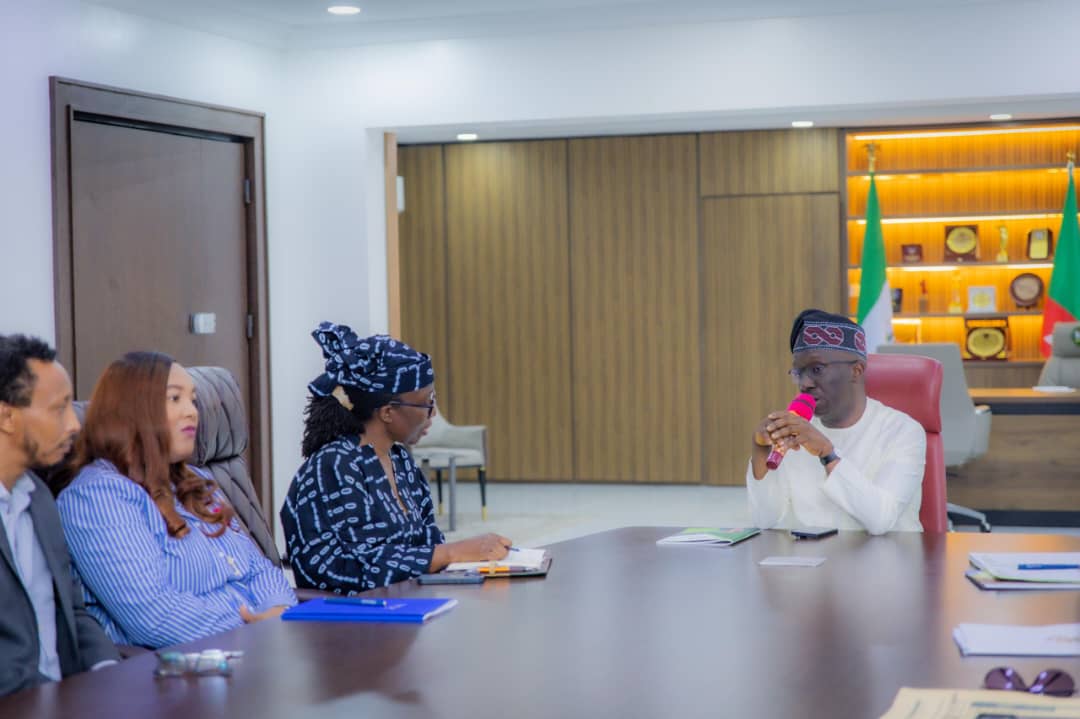
In collaboration with the renowned agency INCLUDE, the Institute of Peace and Conflict Resolution (IPCR) organized a workshop in Abuja on Thursday to boost waste pickers, enhance social protection, promote decent work, and address environmental challenges facing them through informed policy direction.
The Minister, who was represented by the Director of Economy, Trade & Investment in the ministry, Ambassador Bolaji Akinremi,
emphasized the importance of the research in highlighting the contributions of waste pickers, adding that it has broader implications for Nigeria’s national and international development goals.
The minister while commending the IPCR for the research, said: “The findings from this research are timely and significant, particularly as we continue to pursue policies that foster inclusive economic growth, social harmony, and environmental sustainability.”
He added: “Waste pickers, often working in informal and precarious conditions, are a crucial part of Nigeria’s waste management ecosystem. They contribute to the recycling industry, reduce the burden on landfills, and generate livelihoods for millions of individuals. Yet, despite the value they provide to our society, their work is frequently marginalized, and their contributions go largely unrecognized.
“This report helps to fill that gap and provides an opportunity for all of us—government, civil society, and the private sector—to better understand the challenges and opportunities within this sector.”
The minister further said that: “This research presents a unique opportunity to engage with our international partners, NGOs, and multilateral organizations to create global dialogue and exchange best practices in waste management, workers’ rights, and economic inclusion.”
On his part, the Director General of IPCR, Dr. Joseph Ochogwu said the workshop is an important step toward understanding and addressing the challenges faced by one of the most overlooked yet crucial groups in the society—the informal waste pickers.
He added: “These individuals play a crucial role in bridging the recycling gap, contributing an impressive 59.3% of waste collection and management across the country, while formal systems account for just 4.7%. Their efforts help reduce environmental waste and support the circular economy, generating jobs and economic opportunities at multiple levels.”
He, however, lamented that despite these vital contributions, waste pickers remain some of the most marginalized, stigmatized, and criminalized members of our society. He added that waste pickers are not mere collectors but enablers of a recycling system that supports industries and reduces pressure on landfills, thereby adding tremendous value to our economy and the environment.
“Beyond their economic and environmental contributions, this research enhances our understanding of informal economies. It documents the lived experiences of waste pickers and provides a framework for integrating them into formal systems. By doing so, we can improve their dignity, safety, and livelihoods while aligning their work with Nigeria’s broader sustainability and development goals,” he noted.