By Israel Adebiyi
Environmental experts have sounded the alarm over the rapid depletion of Nigeria’s forest reserves, accusing multinational corporations of operating under the guise of investment to exploit the country’s natural resources.
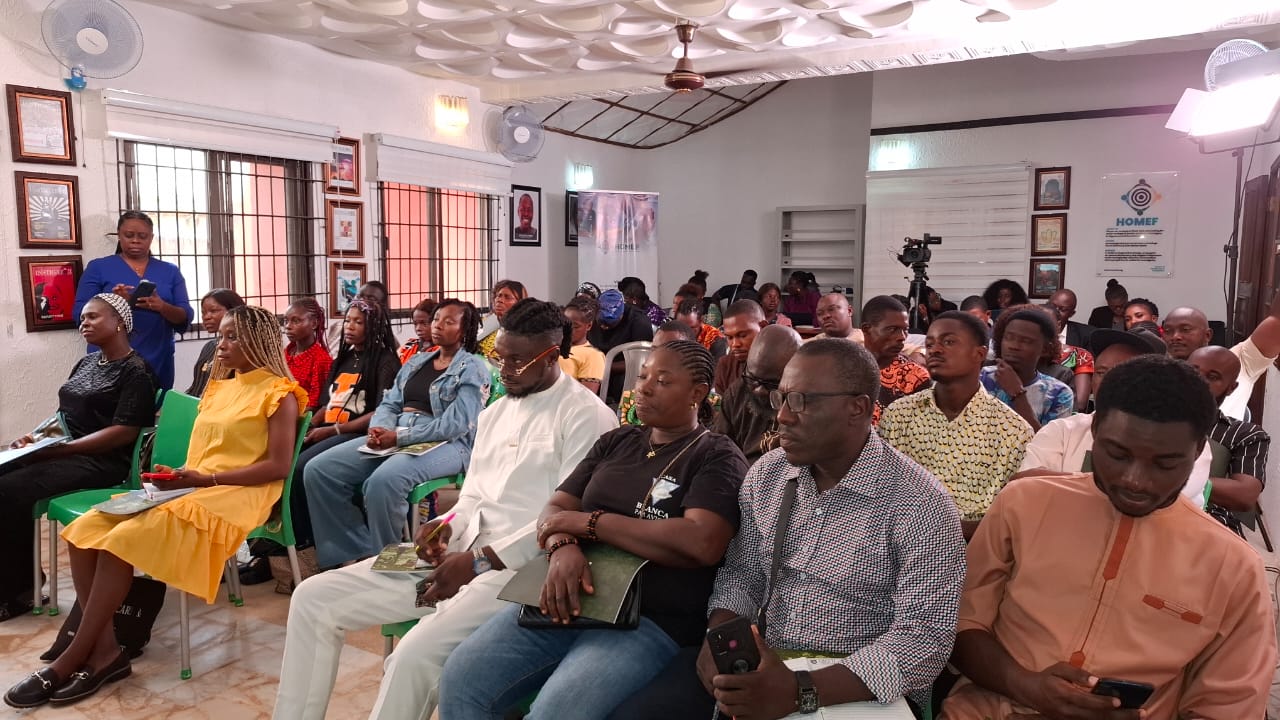
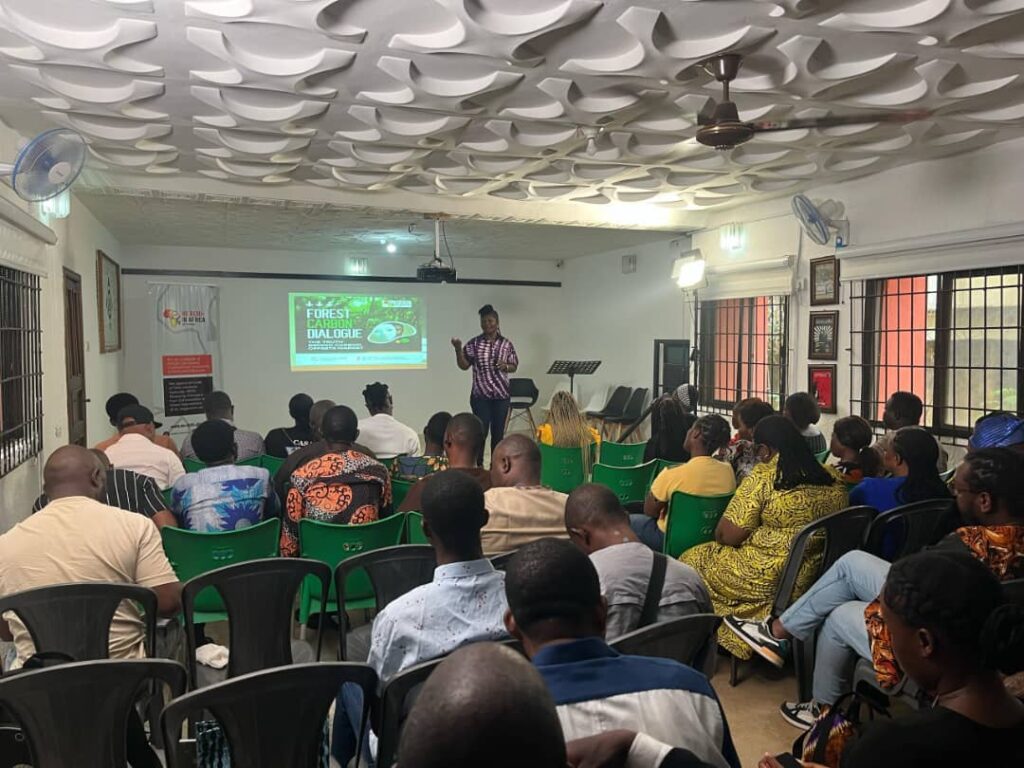
This concern was raised during a Forest Carbon Dialogue held in Benin City, organised by the No REDD in Africa Network—a coalition of African civil society organisations, grassroots movements, activists, and individuals committed to environmental justice across the continent.
Speaking at the event, Dr. Nnimo Bassey, Executive Director of the Health of Mother Earth Foundation (HOMEF), criticised several Nigerian state governments for carelessly signing away forest reserves to foreign interests without due consideration for the long-term environmental and socio-cultural consequences.
According to Dr. Bassey, the growing interest of multinational corporations in Africa’s forests is largely driven by the global carbon credit market. Carbon credits allow corporations to continue emitting greenhouse gases elsewhere while claiming to offset those emissions through conservation efforts in the Global South.
“Nigeria’s forests are under heavy assault. About 90% of our forests have already been degraded. Even our protected forest areas are not spared—they’re being targeted by illegal miners, loggers, and other exploitative actors,” Dr. Bassey lamented.
He emphasized that forest ecosystems are far more than just trees. “Each tree supports its own micro-ecosystem. Cutting down a single tree disrupts an entire web of life. Unfortunately, many governments and corporations now view forests not as life-giving ecosystems but merely as carbon stockpiles to trade for profit.”
Dr. Bassey revealed that in Niger State alone, 750,000 hectares have been signed away for carbon trading, while a Brazilian company has acquired 1.2 million hectares for meat production—actions he says amount to massive deforestation and displacement of local communities. He added that similar deals are being pursued in Delta, Rivers, Akwa Ibom, and Cross River States, where governments are promoting such arrangements as investments and signing Memoranda of Understanding (MoUs) with foreign firms.
“These are not investments; they are systematic handovers of our territories to corporations interested only in carbon. Carbon trading is a false solution. It does not address the root causes of the climate crisis,” he asserted.
Dr. Bassey advocated for forest governance led by indigenous communities, arguing that they are the true custodians of biodiversity and holders of valuable ecological knowledge. He condemned the trend of converting forests into monoculture plantations, describing it as a colonial legacy that undermines biodiversity and depletes ecological resilience.
He called for heightened public consciousness and vigilance to resist the commodification of Nigeria’s forests by multinationals and complicit state actors.
The dialogue also featured a panel session that emphasized the need for indigenous integration in global climate solutions.
Environmental advocate, Prince Orheke, highlighted systemic flaws in global climate policies, particularly the Kyoto Protocol, which he described as skewed in favour of industrialized nations. “Sub-Saharan Africa contributes only about 3 to 4% of global emissions, yet we’re being asked to bear the burden of solutions we didn’t help design. The framework lacks inclusivity and fails to recognise indigenous knowledge systems,” he argued.
Prince Orheke stressed the importance of co-development and inclusive policy-making. “We can’t claim to seek solutions without including those most affected. True change requires building the capacity of communities to participate meaningfully in climate discourse.”
In a presentation titled “Community Science as Real Solutions – Why We Must Say No to REDD”, Acting Administrator of Environmental Rights Action/Friends of the Earth Nigeria (ERA/FoEN), Rita Uwaka, echoed the call for grassroots mobilisation.
She urged communities to resist efforts to erode their traditional knowledge and cultural identities through schemes that convert forests into commercial plantations. “Forests are more than trees. They are cultural landscapes. Community protection of forests is key to safeguarding biodiversity and climate resilience,” Uwaka noted.