Tracy Ohovwore, Benin City
Following the alarming rate of persistent flooding in Nigeria, flooding has become a persistent nightmare. Health of Mother Earth Foundation (HOMEF) expresses sympathy for the families of the victims of the recent flood that struck Mokwa – a transit town for traders in Niger State, North Central Nigeria.
It was reported that at approximately 3:00 am on Thursday, May 29, 2025, there was intense rainfall followed by a hazardous flood, which is said to have displaced over 3000 residents, destroyed properties, and claimed over 100 lives, with many individuals still unaccounted for.
While mourning this tragic loss, HOMEF emphasised that the government must take proactive measures to prevent similar or worse incidents from occurring in the future.
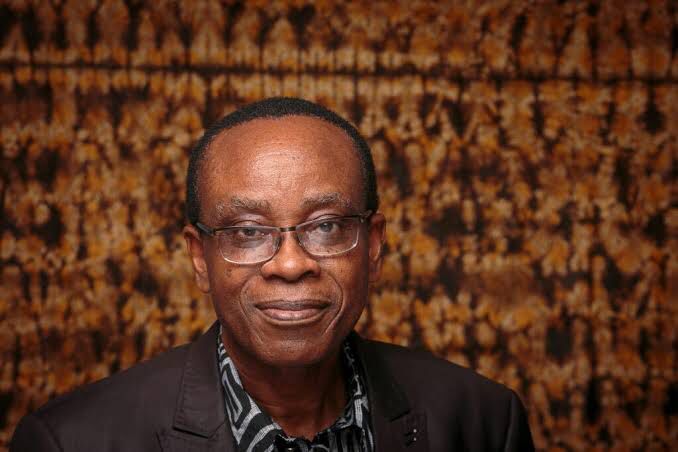
The Executive Director of HOMEF, Dr. Nnimmo Bassey, in his reaction to the recent flood event in Niger State, noted that communities and cities in flood-prone areas could seize to exist if nothing is done to address this menace.
“This is a horrendous recurring decimal. There is no word to describe our lack of preparedness and our ill-maintained infrastructure. Combined with insecurity and the fact that more rain is expected, the displacement problems will be compounded. There is no time for excuses. This is the time to declare an environmental state of emergency across board. This national emergency can impact our national wellbeing by leading to food scarcity, environmental degradation, mass displacement, increased poverty, water-borne diseases and exacerbate insecurity.”
Dr Bassey further responded on forecasts and early warnings from different agencies, including the National Emergency Management Agency (NEMA).
The environmental enthusiast expressed his disappointment, emphasising that these warnings become meaningless if provisions are not made to move people and settle them on safe and higher ground.
“Nigeria needs to be proactive; our government needs to have emergency preparedness and be able to relocate people when these warnings and forecasts are made, to avert the kinds of disasters we see when flooding events like this occur. We sympathise with the families affected by the floods and stand in solidarity with the communities that have been impacted.”
Stephen Oduware, Programme Manager of Fossil Politics at HOMEF, noted that flood damage continues to escalate, making recovery challenging and problematic.
“The rains are just beginning, and there are signs of more flash floods. Apart from the usual palliative measures and reactionary responses, what plans are in place to ensure that the already predicted localised heavy rainfalls do not result in the kinds of catastrophes we witness during floods? What is the Nigerian government doing to address the issues of flooding holistically? When floods occur, they leave a trail of destruction, causing damage to properties, loss of lives, livelihoods, and other socioeconomic impacts.”
According to HOMEF, the issue of flooding as a result of climate change and poorly planned urban areas and inadequate emergency preparedness.
HOMEF further calls for immediate measures to address the root cause of climate change, for improvement on practices that preserve natural habitats and wetlands, and investment in infrastructure that can help reduce the frequency and seriousness of flooding.
The body also urged all relevant agencies to work together in a fully synchronised manner to ensure that every facet of the disaster is addressed and succour is extended to the impacted people.