HOMEF’s School of Ecology Awakens Environmental Consciousness, Pushes For Ecological Justice
…advocates for policies that treasure the environment
Tracy Ohovwore, Benin City
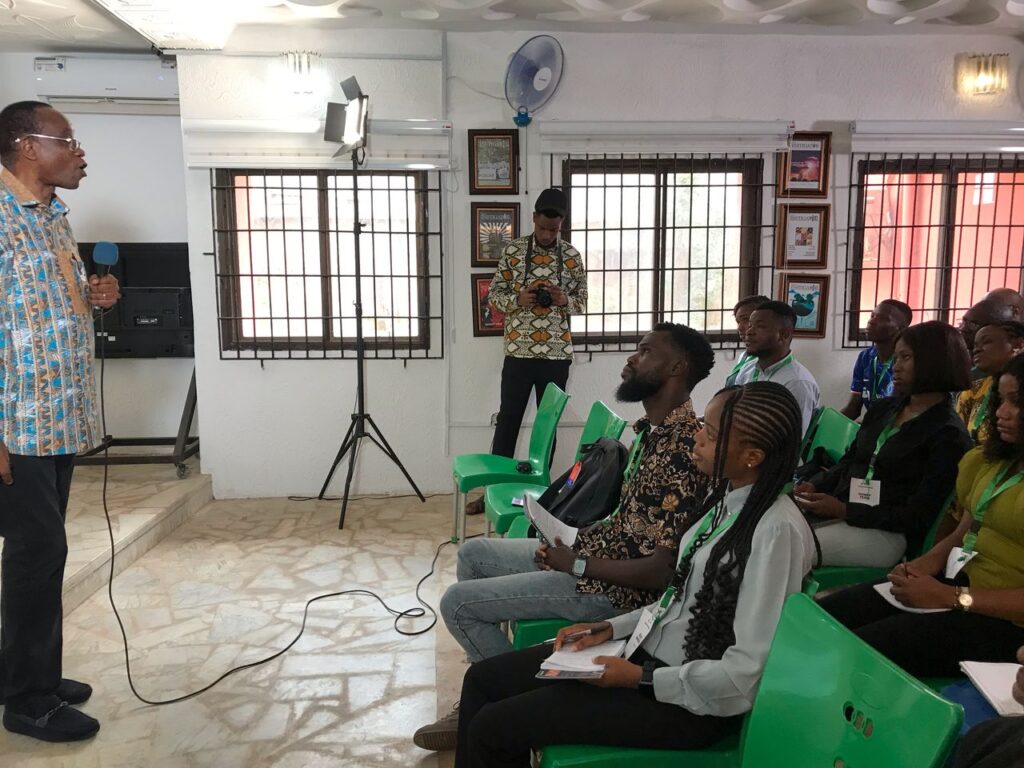
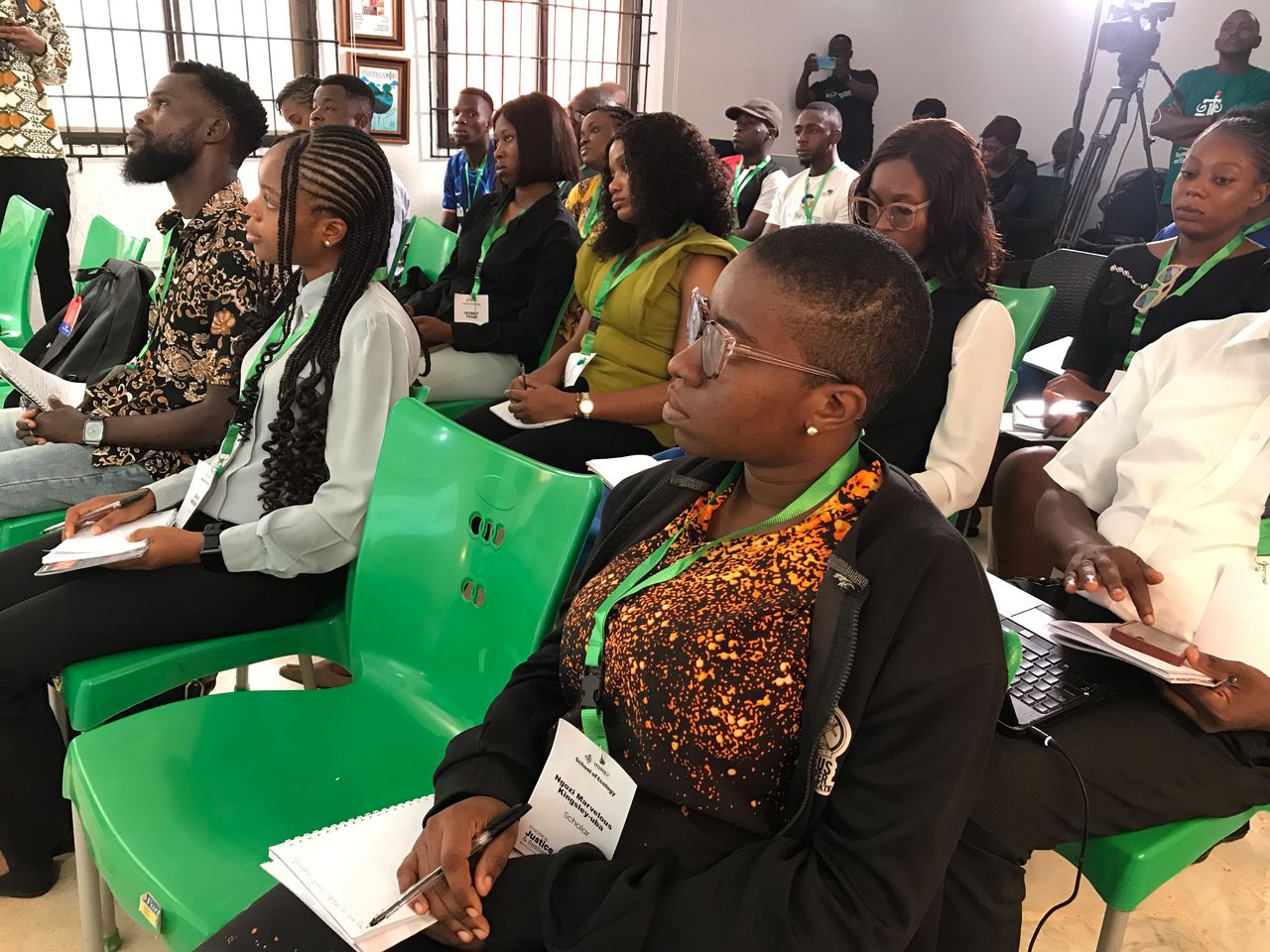
Health of Mother Earth Foundation (HOMEF) organised an insightful school of ecology session on Ecological justice and Resilience, which was held at the HOMEF office in Benin City on Monday, March 24, 2025.
Environmental enthusiast and Executive Director of HOMEF, Dr Nnimmo Bassey, has called for prompt action against environmental issues, appealing to the need to restore ecological balance and protect the environment against exploitative practices.
Speaking, Dr Bassey lamented the devastating impacts of environmental degradation and highlighted that man plays a crucial role in the growing concern, urging all to rethink their relationship with nature and prioritise conservation.
“We see ourselves as integral parts of Nature rather than some super being that has Nature prostrate at our feet.”
“When one part of an ecosystem is destroyed, it impacts or destroys all the other parts. This means nothing exists in isolation from everything else.
“Thus, the web of life is the interrelationships that hold everything together—something we often do not think about.” He stated.
The Executive Director expressed the need to seek a solution readily apparent in our roots and traditional heritage.
He highlighted how traditional African society practised environmental protection through communal living, solidarity economies and Indigenous conservation methods.
“Bringing back environmental sanity requires a resurgence of African environmentalism through cultural and political action.” He added.
According to HOMEF, Scientists propose that by 2050, the ocean will contain more plastic than fish.
HOMEF Director also added that the recycling of plastics and pet bottles is no longer ineffective with the growing rate of pollution having less than 10% of the wastes recycled.
NewsnowNg further gathered that the environmental protection laws in Nigeria are inactive, as stated by HOMEF.
Dr Nnimmo Bassey lamented the rise of exploitative systems driven by profit, which have led to deforestation, pollution, and biodiversity loss.
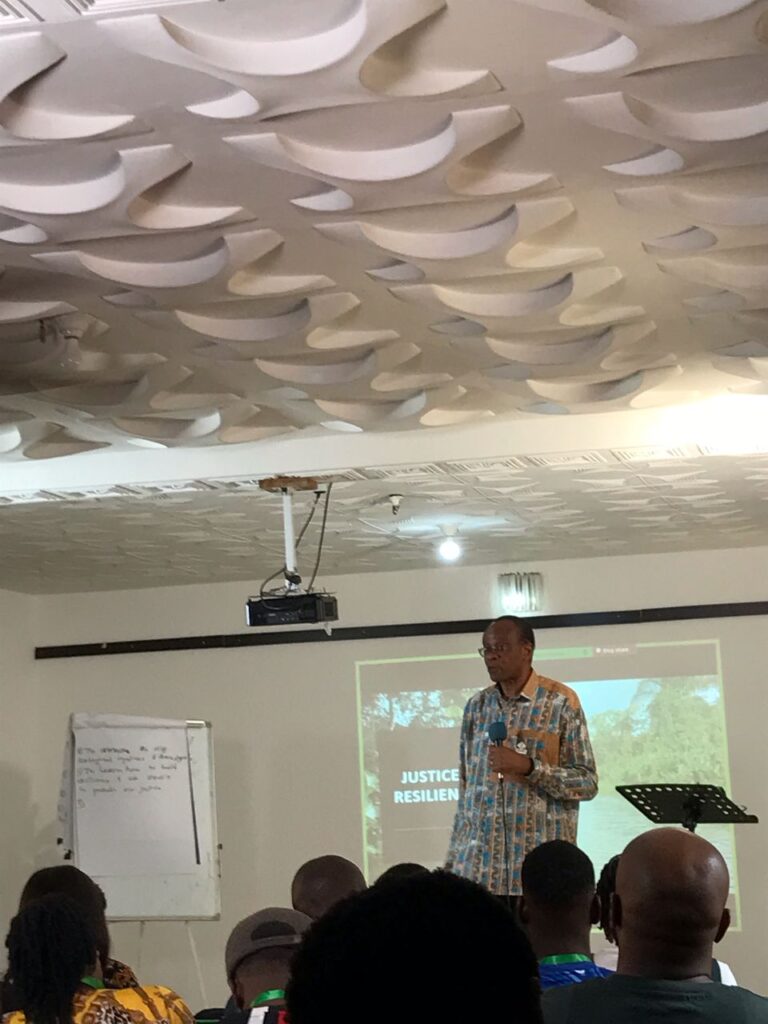
The environmental advocate criticised colonial-era policies that permitted pollution within so-called “acceptable thresholds,” arguing that such concepts serve the interests of polluters rather than protecting communities.
“The idea that pollution is permissible to a certain level has been weaponised to justify environmental destruction. We see this in the Niger Delta, where oil spills and gas flaring have devastated ecosystems and livelihoods,” he noted.
In addition, environmental activist and founder of Friends of Lake Turkana (FoLT) Kenya, Ikal Angelei, reiterated the need for active awareness of ecological injustice, environmental threats, policy changes, and the adoption of protective measures to protect biodiversity and empower local communities to protect their land and water resources.
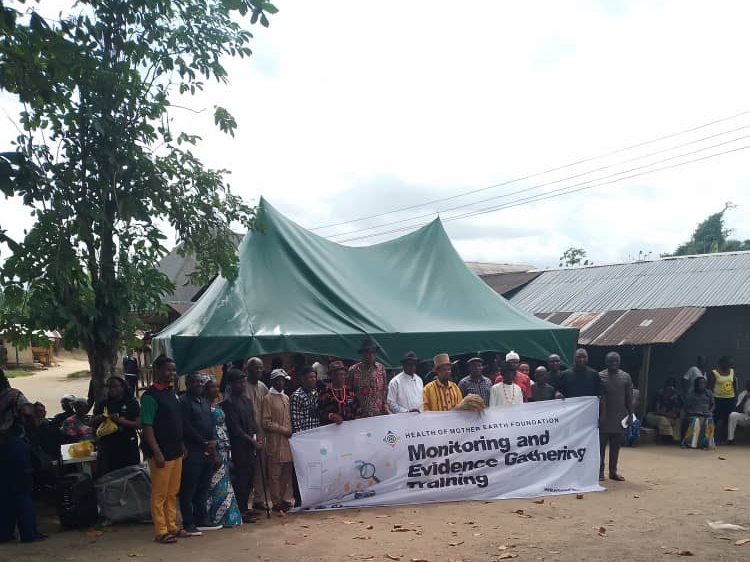
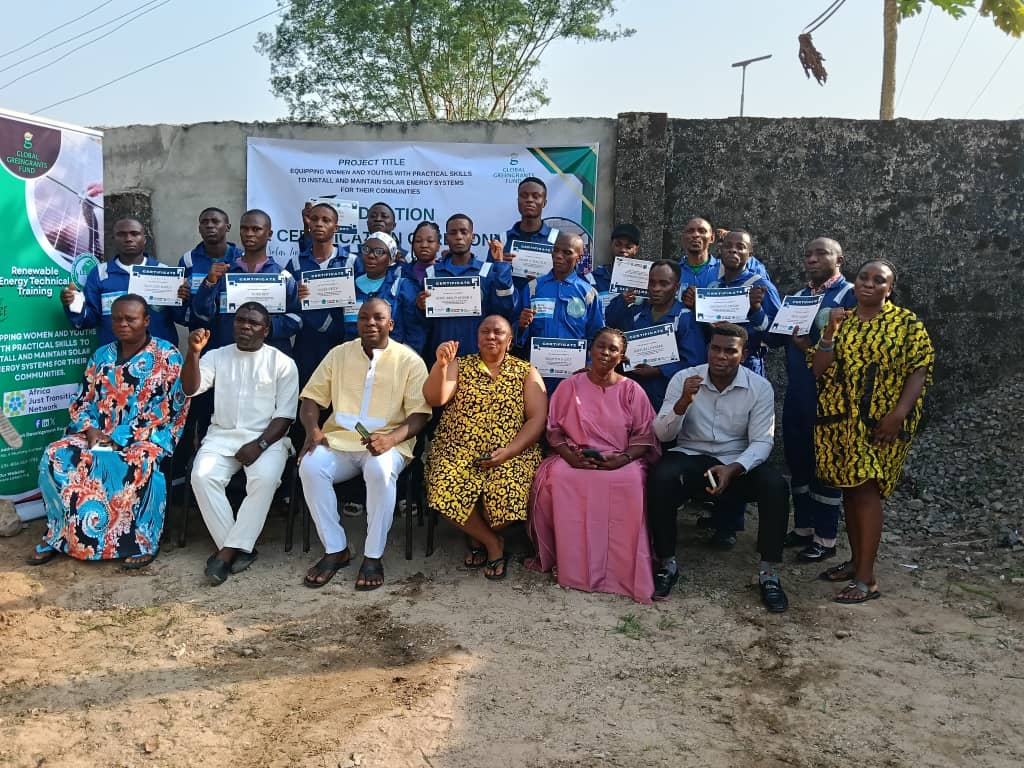
The School of Ecology event, which ran from March 24-28, brought together activists, scholars, and community leaders to discuss sustainable solutions to environmental challenges.
“The School of Ecology aims to waken us to the dangers of further disruption to the webs of life and the need for everyone to be an environmental defender if we must build resilience and ensure socio-ecological justice.” Executive Director Bassey noted.
HOMEF reaffirmed its commitment to advocating for policies that prioritise ecological balance and empower local communities to protect their environment.
Participants were further urged to collaborate with the government and other protective measures put in place to curb the increasing level of waste and ecological injustice.