By Tracy Ohovwore
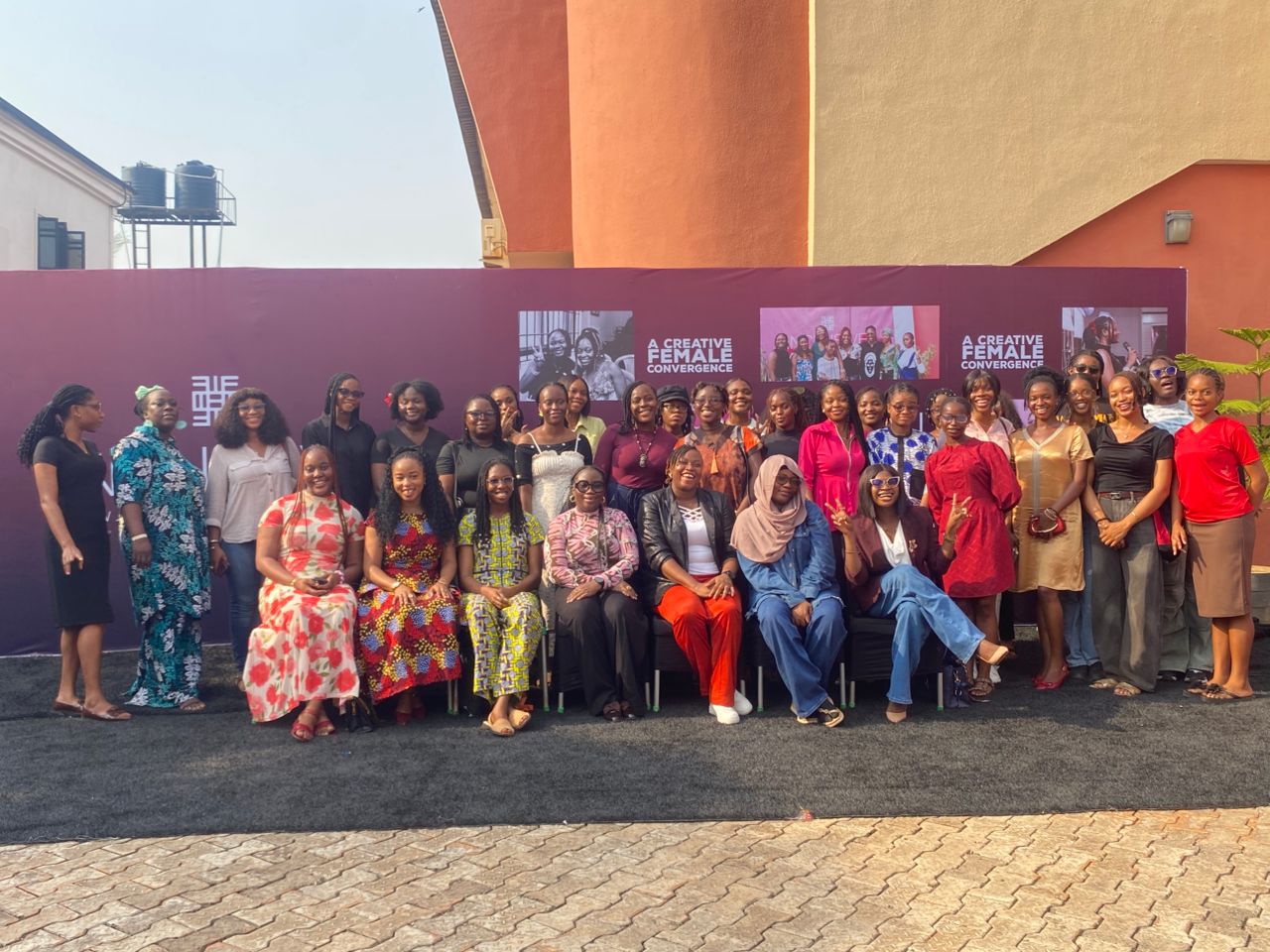
Female creatives from diverse fields converged on Benin City for the third edition of Inclusive, an annual conference organised by Tell That Story, to commemorate International Women’s Day and foster collaboration within the creative ecosystem.
The event, tagged Inclusive 2026, held on March 5, 2026, and was themed “Give to Gain.” It brought together storytellers, artists, writers, and technology professionals to engage in conversations aimed at strengthening collaboration, visibility, and innovation among women in the creative sector.
Delivering the welcome address on behalf of the host organisation, Dr. Tomilola Andre-Obayanju described Inclusive as a platform designed to create a learning and sharing environment where women in the creative space can connect, reflect, and collaborate.
She explained that the initiative was conceived to build supportive networks among women while encouraging them to exchange ideas and strengthen their professional journeys.
Andre-Obayanju noted that the 2026 theme, “Give to Gain,” highlights the importance of generosity, collaboration, and collective growth within the creative industry. According to her, investing in women strengthens creative communities and expands opportunities for innovation and development.
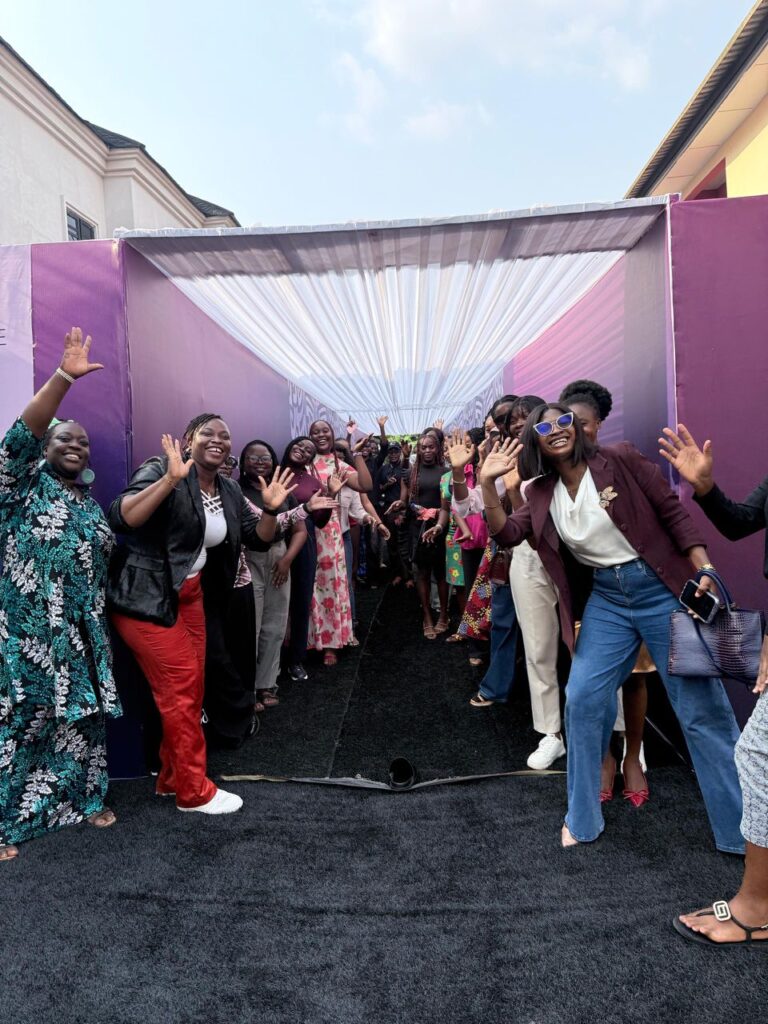
One of the instigators of the programme, Iwinosa Oyakhire, a storyteller, creative entrepreneur, and cultural connector, spoke on the topic “Global Feminine Voices: Honouring Diverse Cultural Expressions.” She encouraged female creatives to step confidently into the spotlight and embrace their feminine creative identity.
Oyakhire stressed the need for women to intentionally produce content that reflects and serves female audiences, observing that much of the existing creative output has historically been shaped by broader, male-centred perspectives.
She urged women to collaborate more deliberately in creating works that amplify female experiences and perspectives.
Also speaking at the event, multidisciplinary visual artist Ololade Lawal shared insights into her creative journey, presenting a selection of her works and the personal experiences that inspired them, including moments drawn from family life.
Lawal emphasised that personal experiences often play a significant role in shaping artistic expression and creative development. She encouraged participants to embrace collaboration and highlighted how partnerships can enrich creative outcomes.
She further advised emerging creatives to remain committed to developing their craft and not to allow self-doubt to hinder their progress.
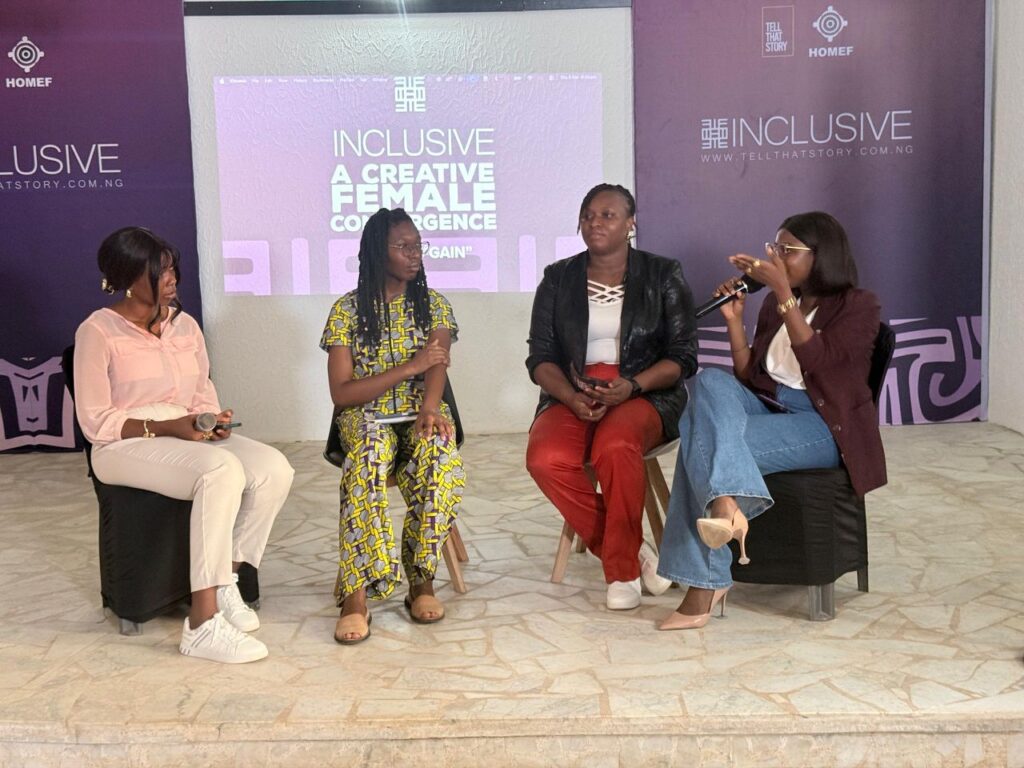
Writer, critic, and cultural curator Roli O’ Tsemaye, who spoke on the theme “What We Give Is What We Carry,” highlighted the importance of documentation and memory in shaping creative journeys.
She described memory as “an architecture rather than passive recall,” urging women to contribute actively to important cultural conversations and create platforms that uplift others within the creative community.
O’ Tsemaye also encouraged female creators to produce work that reflects women’s lived experiences, noting that authenticity, rather than perfection, strengthens a creator’s voice over time.
In another session, Ella Abung, an Artificial Intelligence Quality Assurance analyst, delivered a presentation titled “Creativity at a Crossroads: Art, AI and the Future of Work.” She explained that while artificial intelligence has become a powerful productivity tool, it does not necessarily replace human creativity but enhances it.
According to Abung, artificial intelligence can provide creatives with an advantage by helping them improve their craft and streamline creative processes.
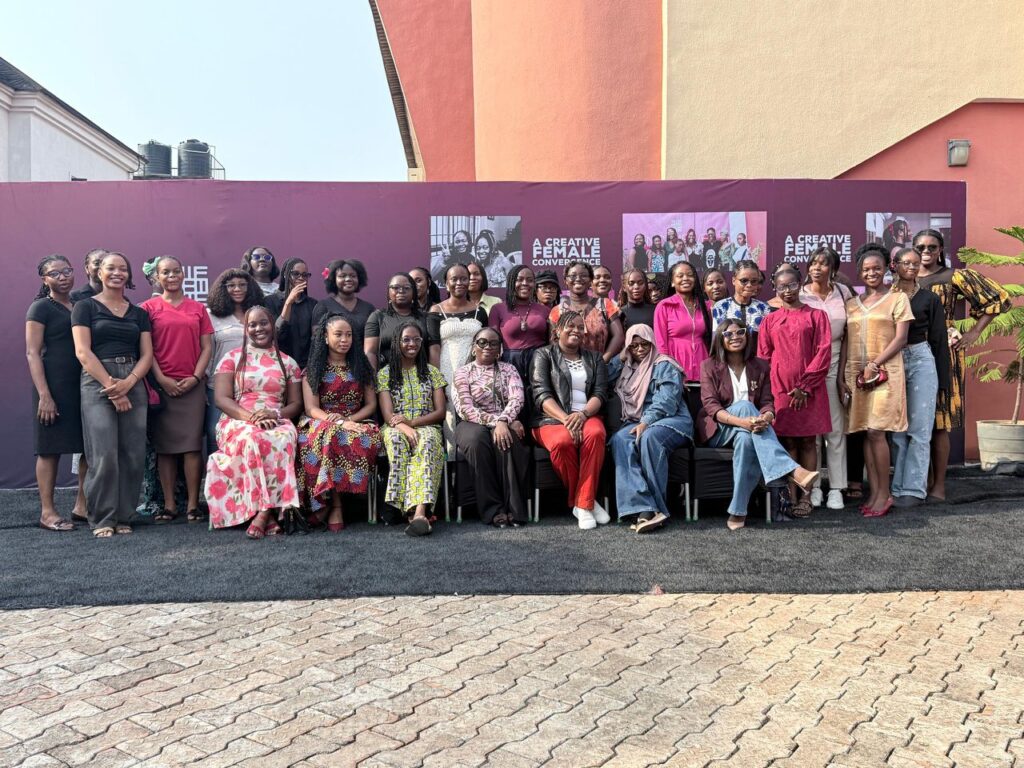
The conference also featured a panel discussion where experts encouraged creatives to embrace artificial intelligence as a tool that can elevate creative output while maintaining ethical standards.
Panelists emphasised the importance of protecting user privacy and ensuring that the development and application of artificial intelligence technologies prioritise responsible data management.
The discussions concluded with a consensus that artificial intelligence will continue to shape the future of creative industries, and that creatives must approach the technology with openness, ethical awareness, and a willingness to adapt to emerging opportunities.