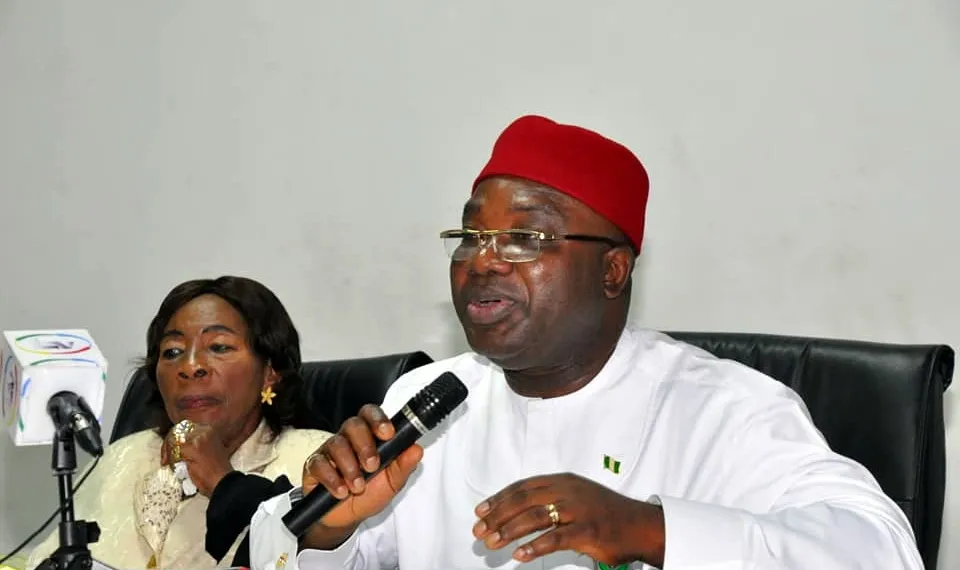
The National Human Rights Commission (NHRC) has expressed deep concern over the recent escalation of violent attacks and killings in Benue and Plateau States. Executive Secretary of the Commission, Dr. Tony Ojukwu, lamented that the incidents have led to tragic loss of lives, displacement of innocent citizens, and the destruction of property, leaving families and communities in grief and despair.
Ojukwu emphasized that the right to life is a fundamental human right, protected under national and international legal frameworks, and warned that the increasing frequency of attacks—largely rooted in herder-farmer conflicts—may spiral into ethnic, religious, or communal violence if not urgently addressed. He stressed that unchecked, such developments could lead to widespread violations of human rights.
The Commission also raised alarm about the implications of the violence occurring during the rainy season, which is critical for farming. Highlighting Benue’s reputation as the food basket of the nation, Ojukwu cautioned that the current insecurity threatens food production, as many farmers may be unable to access their land. He warned that this could lead to famine and food insecurity, with billions of naira in agricultural loans potentially lost due to persistent insecurity and a lack of political will to resolve the crisis.
In response, the NHRC called on governments at all levels to take swift and decisive actions to restore peace and security in the affected areas. Ojukwu stated that under the 1999 Constitution, the African Charter on Human and Peoples’ Rights, the International Covenant on Civil and Political Rights, and the Universal Declaration of Human Rights, the government has a fundamental responsibility to protect civilians.
He called for the deployment of adequate security personnel to affected communities, thorough investigations into the attacks, and the prosecution of perpetrators to ensure justice and accountability. He further urged authorities to support vulnerable groups, including women, children, and the elderly, while addressing the root causes of the conflict such as poverty, inequality, and exclusion. Dialogue and reconciliation between communities, he said, must be prioritized to promote lasting peace.
Ojukwu also urged security forces to act in accordance with international human rights standards, using proportionate force and respecting the dignity of all individuals. He called on community leaders, political figures, civil society, and the media to play active roles in fostering peace, tolerance, and mutual understanding.
The NHRC, he said, recognizes the crucial role these stakeholders can play in preventing further violence and ensuring respect for human rights. He stressed the need for accountability, calling for public investigations, justice, restitution, and compensation for victims and their families.
Ojukwu assured that the Commission will continue to monitor developments and engage relevant authorities to safeguard human rights. He also renewed calls for the adoption of a national policy on civilian protection and harm mitigation during conflicts, including the implementation of ranching, as part of long-term solutions to the recurring crises of terrorism, banditry, and herder-farmer clashes.