Nigeria has reaffirmed its commitment to a strong regional bloc in West Africa, emphasising the duty of governments and citizens in the region to safeguard the Economic Community of West African States (ECOWAS) and champion integration policies that promote economic sovereignty and industrial growth.
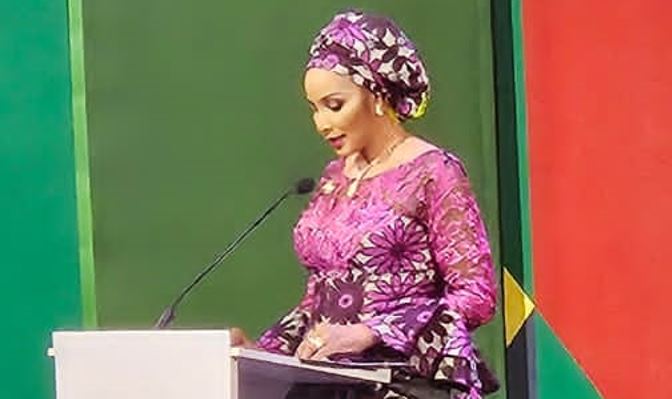
Speaking at the opening of the maiden West African Economic Summit (WAES), Nigeria’s Minister of State for Foreign Affairs, Ambassador Bianca Odumegwu-Ojukwu, said the summit—initiated by President Bola Tinubu and themed “Unlocking Trade and Investment Opportunities in the Region”—aims to foster dialogue, build private sector partnerships and reposition West Africa as a globally competitive and unified economic bloc.
She stated that West Africans share a long history shaped by trade and mobility, which has led to a culture of free commerce and cooperation. Odumegwu-Ojukwu added that this shared legacy has built a collective identity that strengthens regional diplomacy and drives progress. She called for the summit to mark a turning point in efforts to deepen economic integration, unlock trade and investment potential, and ensure shared prosperity across the region.
According to her, Nigeria remains committed to inclusive, region-wide collaboration, working with all West African countries regardless of institutional affiliations to confront common challenges and seize available opportunities. She praised the region’s achievements in banking, digital services, agriculture, and extractive industries but stressed the need for deeper integration.
Minister of Industry, Trade and Investment, Dr Jumoke Oduwole, who delivered the keynote address, said inter-African trade must be seen not just as an economic goal but as the pathway to building competitive and connected markets. She said the summit demonstrates the region’s readiness to invest in its future and work collectively with clarity and purpose.
Oduwole noted that with a population of over 400 million people and a shared legacy of enterprise, West Africa has vast untapped potential. However, she warned that businesses cannot scale if markets remain fragmented. While acknowledging modest progress through the ECOWAS Trade Liberalisation Scheme (ETLS) and Common External Tariff, she stressed that much more needs to be done to enhance regional trade.
She highlighted that intra-African trade accounts for only 20 percent of Africa’s total trade, compared to 58 percent in Asia and 67 percent in Europe. Trade within West Africa remains below 10 percent despite shared borders, language similarities, and decades of integration efforts.
To achieve a single market, Oduwole called for harmonisation of product standards to enable cross-border supply chains, alignment of customs procedures to reduce delays and corruption, and investment in digital platforms to facilitate predictable, paperless trade processes. She also noted that West African businesses, particularly MSMEs, continue to face high costs at borders, inconsistent tariffs, and administrative bottlenecks—especially for goods that fall outside ETLS provisions.
She concluded by reaffirming Nigeria’s commitment to implementing the ETLS and ECOWAS Common External Tariff and working with member states to accelerate preferential tariff regimes under the African Continental Free Trade Area (AfCFTA).