No More Military Takeover In W/Africa – WADEMOS
West Africa Democracy Solidarity Network (WADEMOS) has raised an alarm that military intervention may not have been heard of in the political landscape of West Africa as challenges continued to be thrown at democracy by the political class, especially those promoting elongation of tenure.
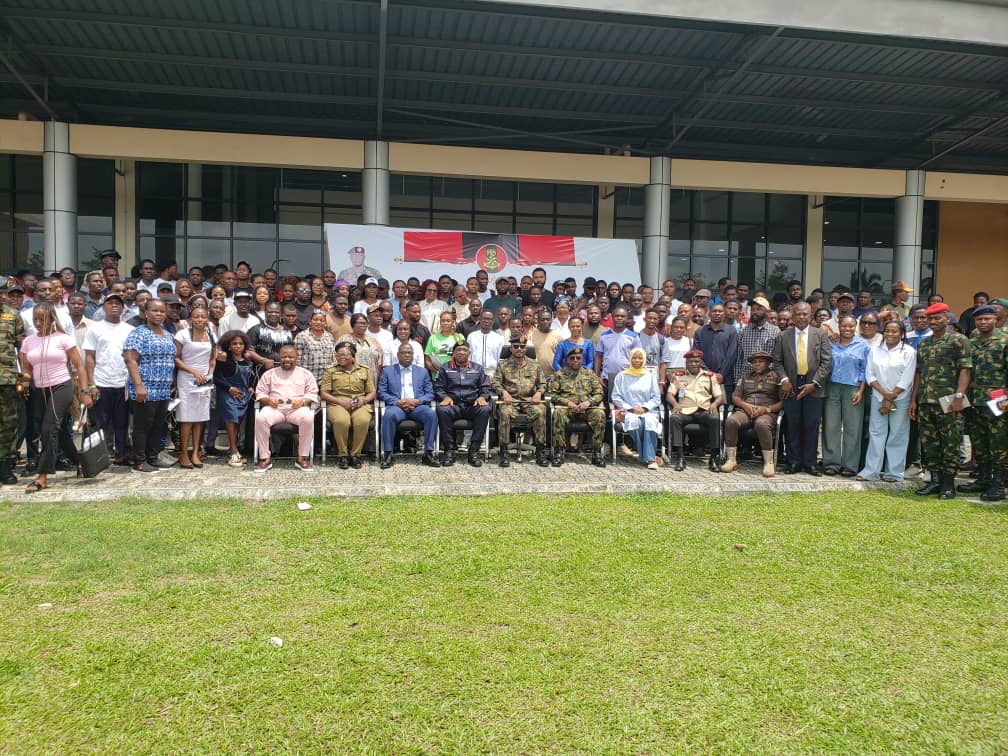
Rising from its 3rd Annual Regional Convening in Accra, Ghana, with theme “Leveraging Solidarity Movement in Defense of Democracy across West Africa: Challenges, Lessons Learned, and Perspectives’,” which drew participants from civil society organisations and other civic formations from all the countries in the ECOWAS Region, deliberations were held on the state of democracy in West Africa and the future of multilateralism with a focus on ECOWAS and its reform agenda, the changing face of civil society and the civic space in the Sahel states and West Africa, and the potential for strengthening democratic solidarity and resilience in the region in the face of growing threats.
The gathering lamented that West Africa continues to grapple with challenges that threaten the region’s stability and security and undermine efforts and gains made over the past five decades in the area of economic and political integration.
Participants at the conference expressed deep dissatisfaction with the alarming situation in Togo, Guinea Bissau, Guinea Conakry, The Gambia, and Cote d’Ivoire, which are facing significant challenges to their democratic systems. These developments contribute to the broader trend of democratic backsliding and the fragmentation of the region resulting from the withdrawal of Mali, Burkina Faso and Niger from ECOWAS:
They said that in Togo, the recent constitutional changes pushed through by the Faure Gnassingbe regime have been roundly condemned by civil society groups as a “constitutional coup,” calculated to circumvent presidential term limits. These alterations were rushed through by lawmakers just days before the pivotal legislative elections set for April 29, 2024, blatantly contravening the ECOWAS Protocol on Democracy and Good Governance.
- In Guinea-Bissau, the political landscape is equally troubling. President Umaro Sissoco Embaló’s increasingly authoritarian behaviour is in contravention of themnation’s commitment to democratic principles. His continued stay in office and dissolution of parliament on December 4, 2023, executed without regard vfor constitutional timelines for new elections, underscore an alarming disregard for democratic norms and fuels concerns over the future of governance in the country.
In Guinea Conakry, the political situation is complex and has been marked by instability since the military coup in September 2021. The prospects for elections are uncertain, with the military junta led by Colonel Mamady Doumbouya having postponed elections multiple times. Initially, elections were promised for December 2024, but they have been rescheduled for 2025, which is sparking concerns about the country’s democratic transition.
They equally lamented that The Gambia is entangled in its own set of challenges related to constitutional reform and adoption of presidential term limit. The deliberate avoidance of establishing a new constitution with clear term limits is creating a climate of uncertainty as the nation approaches the 2026 presidential elections.
The political environment in La Côte d’Ivoire remains tense as the country prepares for the 2025 elections, with President Alassane Ouattara’s bid for a fourth term fueling growing apprehension. His abrupt reversal of a prior decision not to seek re-election has raised serious concerns about the country’s prospects for peace and stability.
They decried that ECOWAS, once notable among Africa’s RECs for its successes in championing democratization in its region, is now at a crossroads, facing numerous challenges that threaten its internal cohesion, triggering growing demand for structural and institutional reform.
Among the resolutions of the participants include that countries should demonstrate commitment to democratic principles through peaceful transfers of power; recognize that over the past decade, support for democracy has declined and opposition to military rule has weakened, but there is a growing demand for government accountability, and the rule of law, but support for democratic norms such as election and term limit have held steady; acknowledged the declining civic space, particularly in the Sahel, and the Fragmentation of civil society drecogniseue to new media and the rise of shadow civil society movements, noting with concern the growing foreign information manipulation
and interference, targeted misinformation and disinformation; recognized the change in the aid and development landscape, specifically the cuts and dwindling funding to the civil society sector by traditional aid architecture, among others.