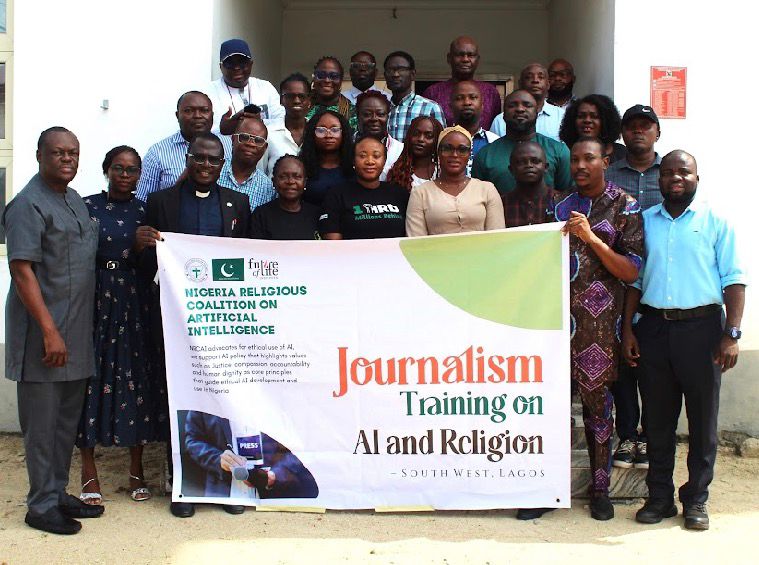
……demands the observance of moral principles and values
….trains journalists on ethical reportage of religious contents
By Tracy Ohovwore
The growing influence of Artificial Intelligence (AI) in Nigeria has sparked fresh conversations around ethics and inclusion, prompting the Nigeria Religious Coalition on Artificial Intelligence (NRCAI) to engage the media.
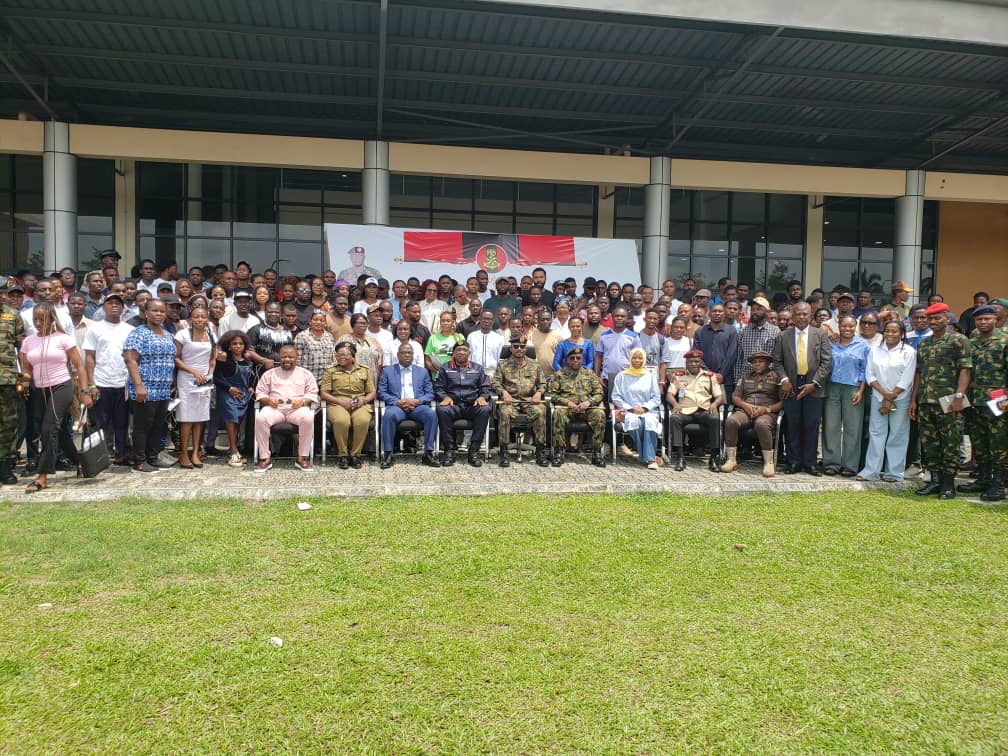
The coalition on Monday, February 16, 2025, held a press briefing with journalists at the Wesley Pastoral Centre in Lagos, where it raised concerns over the role of religious institutions in shaping policies and ethical frameworks guiding AI deployment in the country.
Speaking during the briefing, Reverend Kolade Fadahunsi, Director, Christian Council of Nigeria, Institute of Church & Society, Ibadan, emphasized the need for religious bodies to be involved in discussions surrounding AI regulation and implementation.
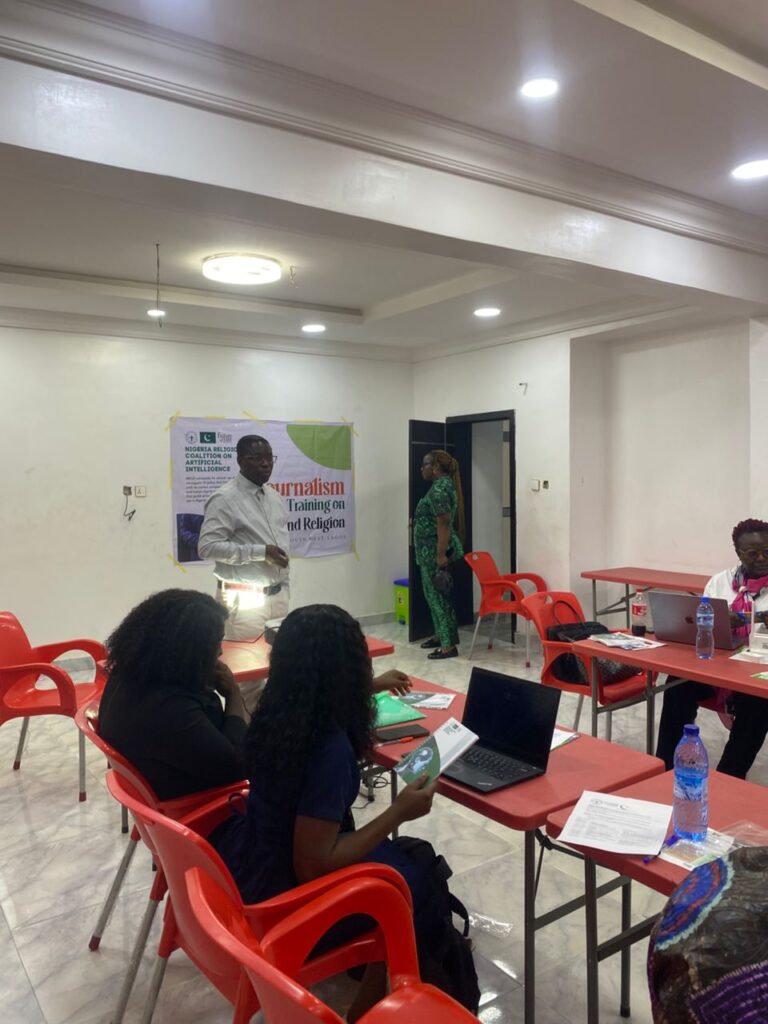
Rev. Fadahunsi argued that faith-based perspectives remain crucial in ensuring that technological advancements align with moral and societal values.
While acknowledging the numerous benefits of artificial intelligence, the coalition cautioned that the technology is not without its shortcomings.
According to the NRCAI, the rapid adoption of AI systems risks sidelining core human values such as justice, compassion, accountability, and respect for human dignity.
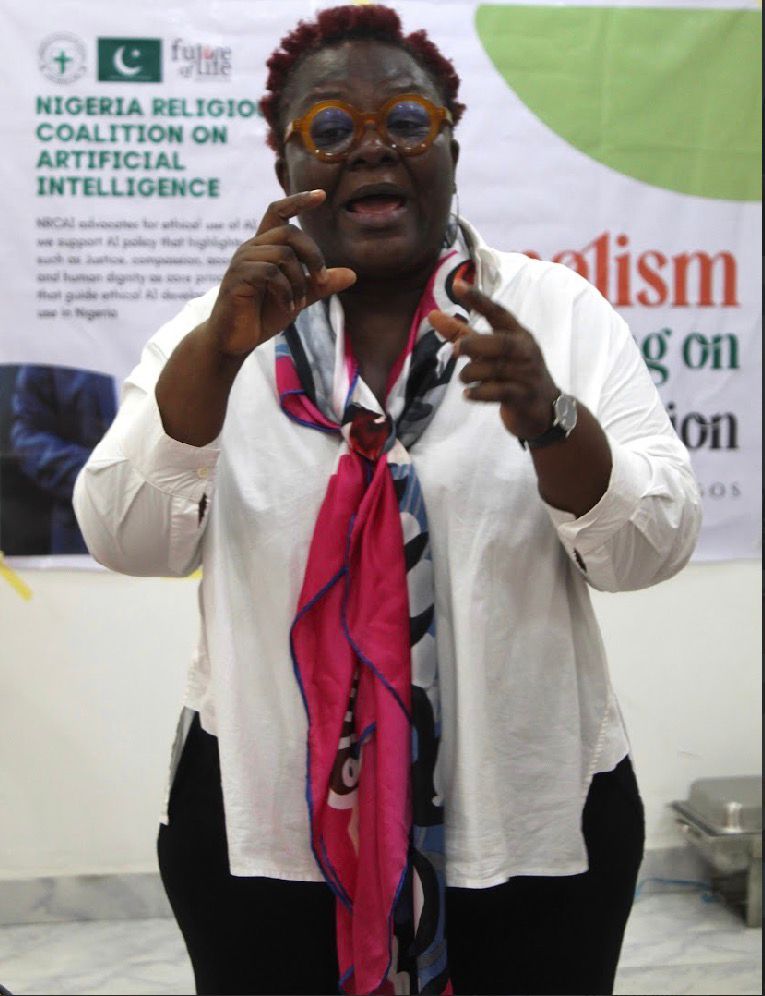
The NRCAI maintained that these principles must remain central to the development and deployment of AI in Nigeria, warning that technological progress without ethical safeguards could deepen social inequalities and erode public trust.
Speaking, lead, Renevyln Development Initiative, Philip Jakpor , highlighted the media’s crucial role as a key player in amplifying the need for active engagement to ensure ethical development in the society.
“We believe the media is indispensable in addressing the ethical concerns surrounding AI adoption in Nigeria and in ensuring that its deployment respects our religion, culture, and shared values.
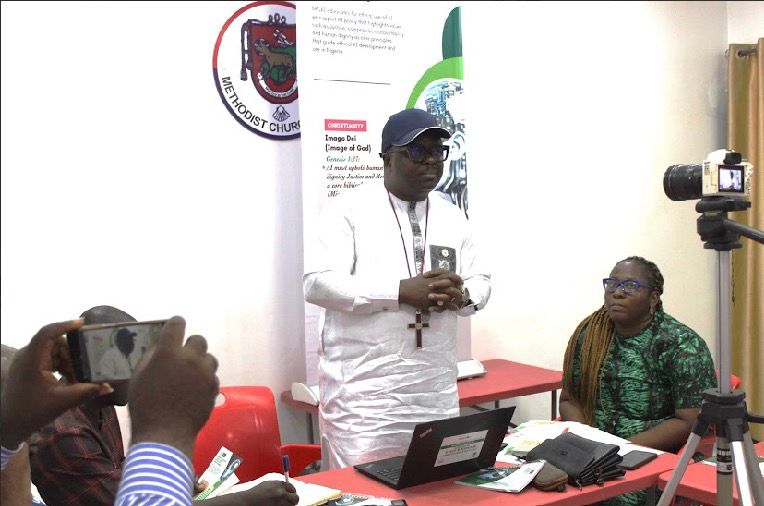
“As AI continues to evolve globally, we are concerned that without informed and inclusive engagement, Nigeria risks embracing systems that erode indigenous beliefs rather than positioning itself as a co-creator of ethical and culturally grounded innovation.” He said.
According to one of the speakers, Tope Oluwaleye, religion remains deeply woven into daily life across many communities, making it essential for journalists to approach faith-related stories with knowledge, balance, and sensitivity to avoid reinforcing stereotypes or overlooking how religious identity shapes perspectives and actions.
He further advised reporters and journalists to conduct thorough research, avoid assumptions, use appropriate terminology, cultivate diverse and credible sources, and uphold accuracy, accountability, and inclusiveness in order to produce nuanced, factual, and respectful coverage of religious issues.
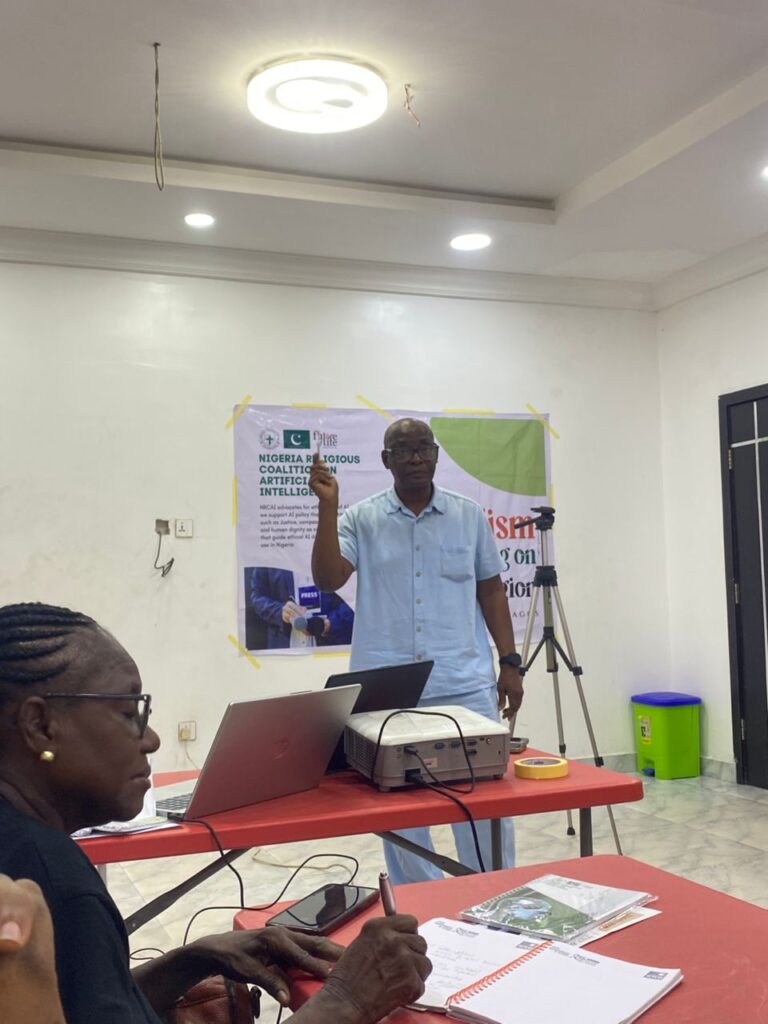
Rt. Rev. Dr. Evans Onyemara, General Secretary Christian Council of Nigeria urged reporters to approach religion related stories with fairness and balance, while applying AI literacy responsibly in their coverage.
He also advised the media to take a proactive role in scrutinizing AI policies to ensure they uphold moral standards and respect religious values.