…says $17bn annual illicit financial flow loss would have made impact
The United Nations has advised Nigeria to adopt alternative models of funding to drive its economy, following cuts in Official Development Assistance (ODA) from major donors to poor and developing countries.
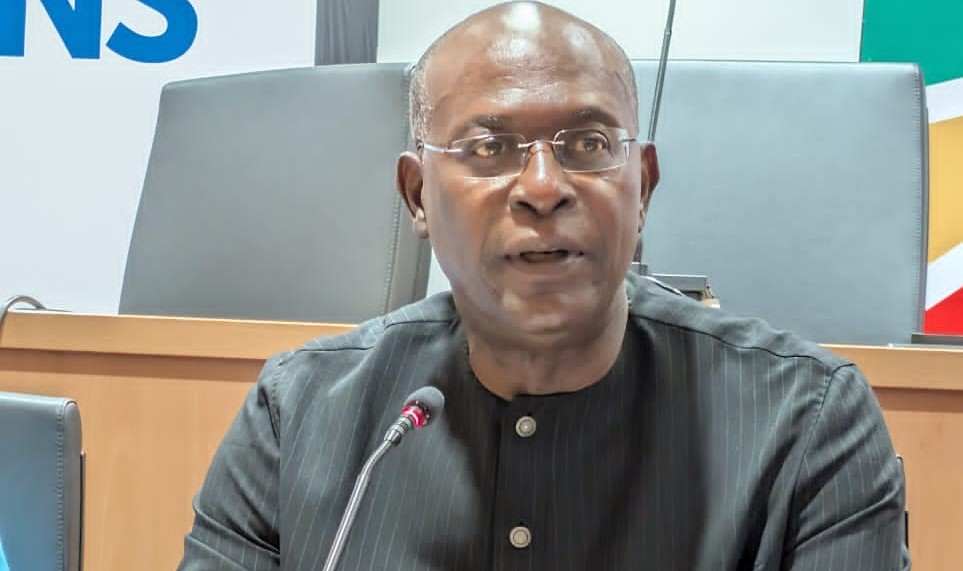
The United Nations Resident and Humanitarian Coordinator in Nigeria, Mohamed Fall, gave the advice on Monday at a press briefing held ahead of the 2025 Africa Social Impact Summit (ASIS) scheduled for next month. Fall, a co-convener of the summit, urged Nigeria to harness domestic resources from both the government and the private sector.
He noted that the world is entering a new era where development and humanitarian financing will no longer operate as they did in the past decade, stressing the urgency of identifying a viable alternative for financing development, particularly in a context like Nigeria. He said development financing must now rely primarily on domestic resources.
Speaking further, Fall emphasized the importance of the forthcoming summit, describing it as a platform for collaboration and reflection on how best to bring the private sector into development financing—not merely as a charitable gesture or corporate social responsibility, but as an investment that offers shared value and benefits. He said that when the private sector contributes meaningfully to development, it ultimately benefits from the growth and stability that such progress brings.
Fall also highlighted the significant impact of illicit financial flows on Nigeria’s economy, pointing out that the country loses about $17 billion annually to such outflows. He said this figure represents nearly 20 percent of the $90 billion Africa reportedly loses to illicit financial activities each year.
According to him, if Nigeria could retain these funds and invest them in development, they could account for nearly half of the government’s annual budget, including debt servicing. He called for the summit to be a space for actionable deliberation and implementation, urging the private sector to see development not just as an obligation but as a strategic interest.
Managing Director and CEO of Sterling Bank PLC, Abubakar Suleiman, stressed the importance of private sector collaboration with the UN through ASIS, stating that the sector must engage in activities that create both financial and social value.
He said the private sector has a duty to go beyond media-driven charity by investing in programmes and products that can bring sustainable value to the country. He acknowledged Nigeria’s current crisis as a critical opportunity for collective action and pledged Sterling Bank’s continued commitment to raising standards and deepening impact.
Suleiman also warned that relying on foreign assistance is no longer viable and urged the private sector to bridge the resource gap left by diminishing ODA. He pointed out that Nigeria’s low tax collection means the majority of resources lie within the private sector, which therefore has an obligation to help address national challenges. He said until the government can generate substantial revenue, the private sector must step in and take responsibility.
Chief Executive Officer of Sterling One Foundation, Olapeju Ibekwe, said this year’s summit, themed “Scaling Action: Bold Solutions for Climate Resilience and Policy Innovations,” serves as a reminder that time is running out to meet the 2030 development goals.
She said the summit aims to accelerate efforts in three key areas: fostering effective partnerships, driving impact investments into scalable solutions, and advancing policy advocacy. Ibekwe confirmed that work has already begun in these areas and that this year’s focus is on scaling actions to achieve real change.