Over 179 million Nigerians Live in Unclean Environment
According to the State of the Nigerian Environment (STONE) study, over 179 million people in Nigeria live in an unclean environment.
The Seventh Edition of the public presentation of the State of the Nigerian Environment (STONE) study showed that this was an improvement over last year’s record of 183 million.
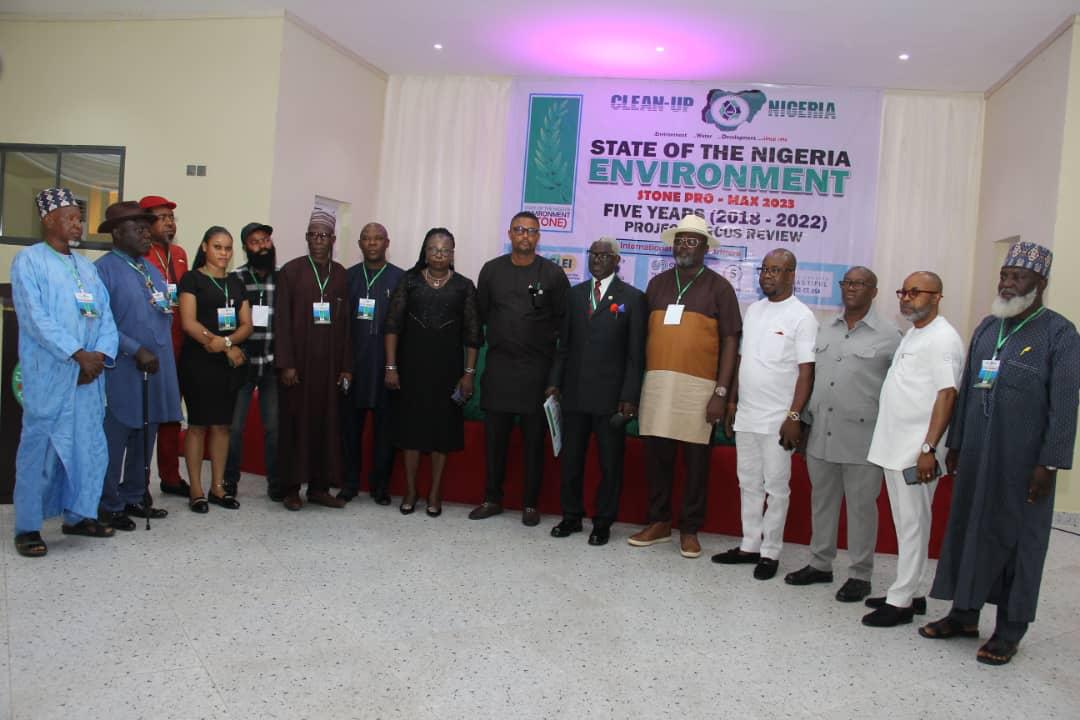
The report was made available on Friday at an event tagged “cleanest state champions in Nigeria,” tagged “Stone 2024 Unplugged,” by the National Coordinator of a non-governmental organisation (NGO), Clean-Up Nigeria (CUN), Mr. Prince Owoh.
According to Owoh, the study’s indicators aimed to promote comprehensive environmental policies targeting governments at all levels and citizens.
He noted that the 2024 zonal rating has significant merits and is expected to improve Nigeria’s national cleanliness index rating.
“On one hand, the country has seen a slight improvement in reducing open defecation, from 24 percent in 2023 to 20 percent in 2024,” he said.
Owoh said STONE aimed to highlight the importance of environmental cleanliness and sustainability in waste management.
He said, “Nigeria’s sanitation situation is a mixed bag. Unfortunately, waste recycling efforts have declined, dropping from 26 percent in 2023 to 19 percent in 2024. This decrease is attributed to the rising poverty levels in the country.
“The Stone Study’s findings further revealed that only seven states demonstrated good personal hygiene and sanitation practices among their citizens.”
However, he noted that the annual Cleanliness Performance Index rating ranked Akwa Ibom and Abuja as the cleanest states in Nigeria, which enabled some states to show a commitment to environmental sustainability.
“Akwa Ibom state recently launched massively improved waste equipment combined with improved sanitation for citizens, offering valuable insights for improvement.
“The zonal emphasis rating fosters regional integration, making the competition more relevant to
local environments.
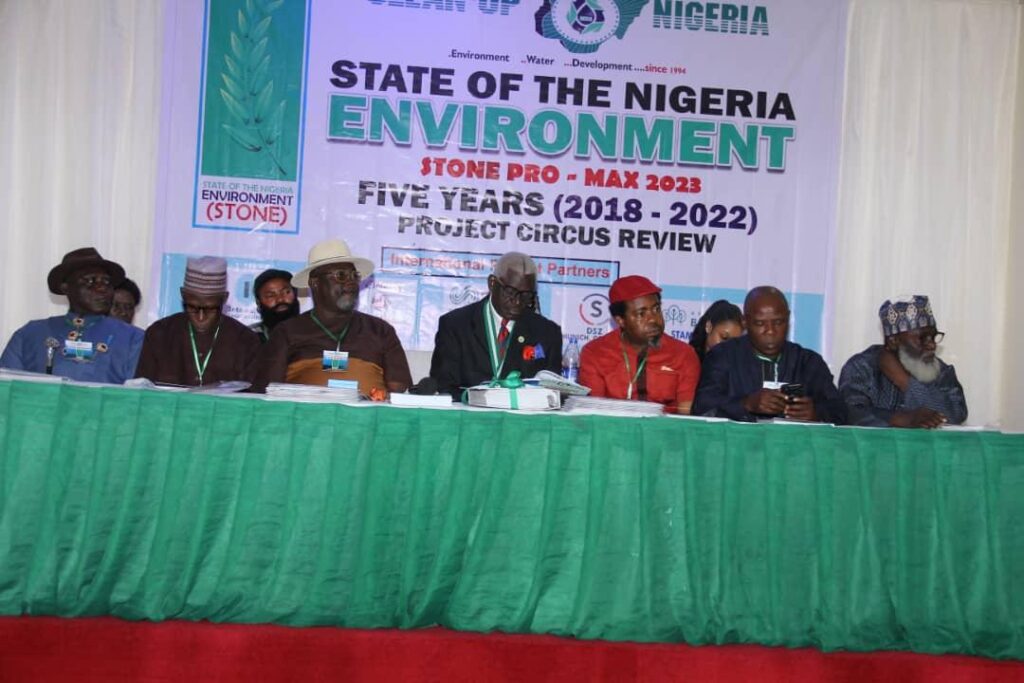
The National Coordinator, who is also the Secretary of the National Technical Study Group (NTSG), said that the cleanliness index rating would address specific cleanliness challenges in each state and drive positive change in Nigeria’s cleanliness and environmental sustainability.
“The zonal approach will also facilitate interstate collaboration and partnership, promoting another and adopting effective strategies to address their unique environmental challenges towards a cleaner and healthier nation.
Owoh, while announcing the six zonal cleanest state champions in Nigeria, said, “The yearly Cleanliness Performance Index Rating, chaired by Prof. Solomon Balogun, Chairman, STONE NTSG, showed that Akwa Ibom is the cleanest state in the South-South.
“Enugu State in the South East, Lagos State in the South-West, Plateau in the North-Central, Borno in the North-East, and Kaduna State in the North-West.
“By highlighting successes and challenges in each zone, the zonal approach will inspire positivity and responsibility among citizens for their local environment,” he stated.
He said this, in turn, will enhance six consecutive years of effective data collection and analysis from 2018 to 2023.
He said these six zonal cleanliness champions were awarded the prestigious STONE Green Crystal Award in 2024.
He said the zonal ratings will provide a more accurate assessment of strengths and weaknesses on a zonal basis, enabling states within each zone to benchmark themselves against one another.
He assured that the zonal rating would equally promote healthy competition, drive self-improvement, and targeted interventions to change and showcase best practices.