Reproductive and Environmental Hazard, Caused by Mining.
Katherine Abayomi
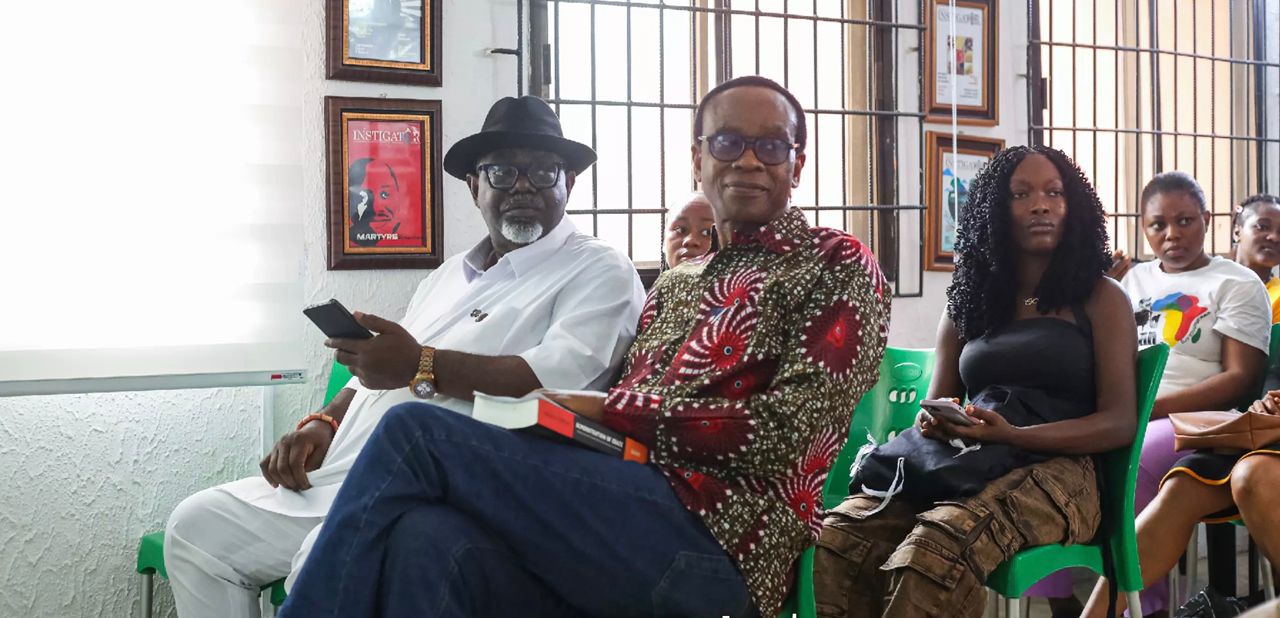
In a welcome address, the Project Officer, Renevlyn Development Initiative (RDI), Ifeoluwa Komolafe, stated that the group has organised trainings to draw attention to the plight of mining in communities across the country.
The Women and Extractives Journalism Training is premised on the need for more robust and educative reports on women and the extractive industry in Nigeria. “It is our desire that this training equips journalists with the information they need for better reporting of the issues that would lead to policy responses, and stakeholder engagement that respond to the impact of extractive activities on women.”
In a Research Conducted by RDI in April 2024, the group raised concerns over sexually harassment and exploitation of young girls in the mining sites in Nasarawa State. They also sited incidences of women being used for hard and manual labour without adequate compensation.Komolafe mentioned that “RDI realizes that there are tons of unreported/underreported issues in relation to extractive impacts involving women and we reckon that the media is key not only in keeping the public informed, but also in robust reportage that ultimately translates into policy responses and actions.”
During the training, it was harped that ecological funds be used to restore degraded lands in communiities where mining activities have taken place for decades. It was also identified that women and children are the most vulnerable and impacted in mining. The training challenged journalists on the need to adequately report the mining sector, especially it’s impact and the need for government and stakeholders action. Sharing her experience as a child of a miner in Enugu State, South/East Nigeria, Ebere Ekeopara, stated that miners are poorly paid, and exposed to risks such as death. “Growing up as the daughter of a miner, I will authoritatively say that miners were not well paid. Their welfare was not taken seriously. They navigate through the deep mines daily, sometimes in total darkness. For instance, the Onyeama Mine can take a miner 20 minutes from the mine entrance to the face of excavation, sometimes walking or riding the train when operational.” Ekeopara, who spoke on the topic; “Coal mining in Enugu State: stories from coal mines,” identified the hazards of mining to include, collapse of the mines, dynamite blasts, fumes inhalation, drowning, and other health problems. She stated that due to the poor conditions of service in the coal mines, former miners are living in abject poverty and not able to give their children good education or good quality life. Ekeopara emphasised the effect of mining. “Most miners cannot take care of their family due to their poor remuneration. You find children of miners living in abject poverty. Most miners develop very serious sicknesses, and they end up relying on their wives for care. Sicknesses like spinal issues, respiratory problems, and other serious sicknesses. “You hardly find the wife of a miner who is not juggling one manual labour or another to support their husbands. Today, the federal government has sold most of their homes, where these miners lived all their lives.” Ekeopara called on appropriate authorities to have a proper decommissioning of the coal mines and use international best practices in mining activities in the country. She also emphasised proper pensions and gratuity for former miners and their families and as well the utilisation of the Ecological Funds to restore impacted communities and their environment. Also speaking on “Missed opportunities reporting women in artisanal mining,” a Media Strategist, Venessa Adie, noted that there are missed opportunities in the narratives about women in artisanal mining because of issues of gender inequality. According to her, very often, reports about women in artisanal mining do not look at issues beyond environmental degradation, high and low mining seasons, support and empowerment for women going into the industry and women defying the gender norms and daring into male dominated territories. “Women are excluded at some critical points in the minng process whether by traditional or societal norms and the men take over leaving out the critical income at those points. This gives men leverage to still exercise control over financial decisions that affect women. “Earnings are still very often controlled by the heads of households, which deprives women of total economic independence. There is hardly any room for growth in the hierarchy or expansion of their business as a result and their inability to invest in machinery that would ease their work,” she noted. She also identified the hazards of mining on women to include; chemical exposures and the effect on maternal and reproductive health, exposure to elevated levels of mercury, cyanide, methane, dihydrogen sulfide, and carbon monoxide; dust inhalation and the risk of respiratory diseases and lung cancer; heavy lifting, lugging, digging, falling musculoskeletal disorders, overexertion, trauma and mental health issues (anxiety, depression, sleep loss, etc); malnutrition, poor sanitation, hygiene and the ripple effect, poor housing and inadequate medical health services especially in times of occupational hazards; sexual exploitation; physical violence and death.” she stated. Just like every other extractive activity has its negative effects the environment, communities and people, especially woman and Childern, the mining sector should be looked at critical to improve environment safety and stability.