

After seven years of crucial support from Médecins Sans Frontières (MSF), local health authorities in Ebonyi State are now better equipped to tackle Lassa fever with improved infrastructure, training, and resilience—restoring public confidence and saving lives.
In early 2018, Ebonyi State in southeastern Nigeria faced a severe outbreak of Lassa fever, a deadly viral haemorrhagic disease classified as a neglected tropical illness. The seasonal surge overwhelmed hospitals and claimed several lives, including healthcare workers who were especially vulnerable to infection.
“We lost doctors, nurses, and cleaners,” recalled Dr. Nnennaya Anthony Ajayi, then head of clinical services at the virology unit of Alex Ekwueme Federal University Teaching Hospital Abakaliki (AE-FUTHA), the state’s main referral centre. “There was panic. In the hospital, 16 healthcare workers passed away. People were afraid to go near the emergency room.”
Though the federal and state governments had built an isolation ward and established a virology lab, AE-FUTHA was unprepared for the outbreak’s magnitude. Personal protective equipment was scarce, infection control protocols were unclear, and diagnostic samples had to be sent to distant labs. Suspected cases were sometimes kept in open spaces, exposing staff and patients to greater risk.
It was in this context that MSF, also known as Doctors Without Borders, arrived in Abakaliki to support the response. What started as an emergency intervention evolved into a seven-year partnership with the Ebonyi State Ministry of Health, laying the foundation for sustainable, locally driven Lassa fever care.
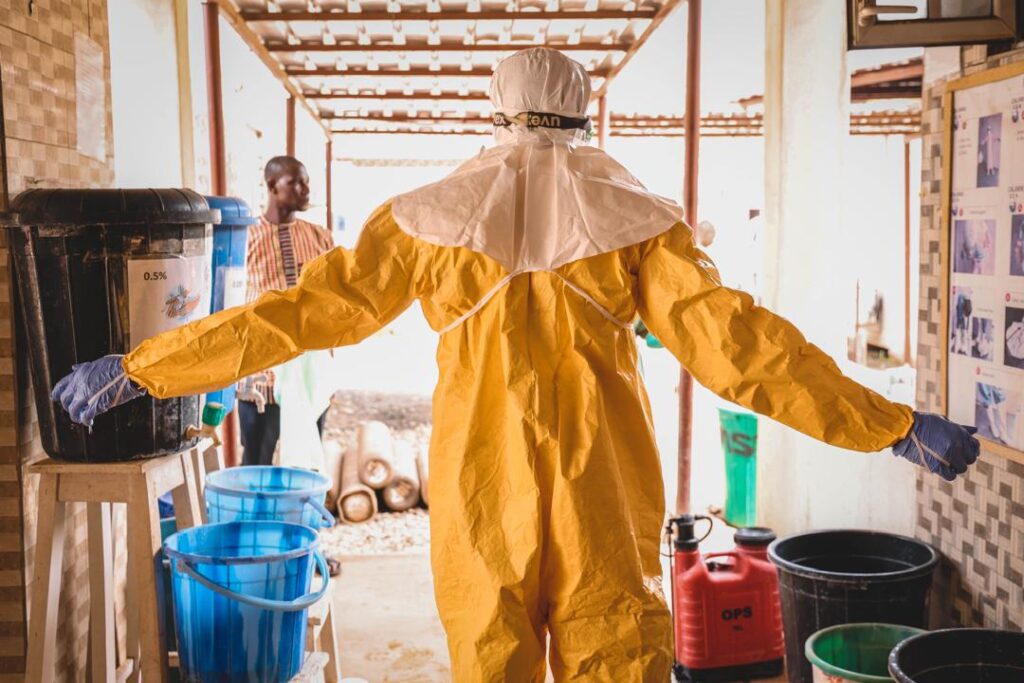
MSF’s top priority from the beginning was to halt the preventable deaths of healthcare workers. “We had to put an end to this series of avoidable deaths,” said Alain-Godefroid Ndikundavyi, MSF’s most recent project coordinator in Ebonyi. “Our main objective was to reverse that trend and to reinforce the hospital’s capacity to better receive and treat patients with the disease.”
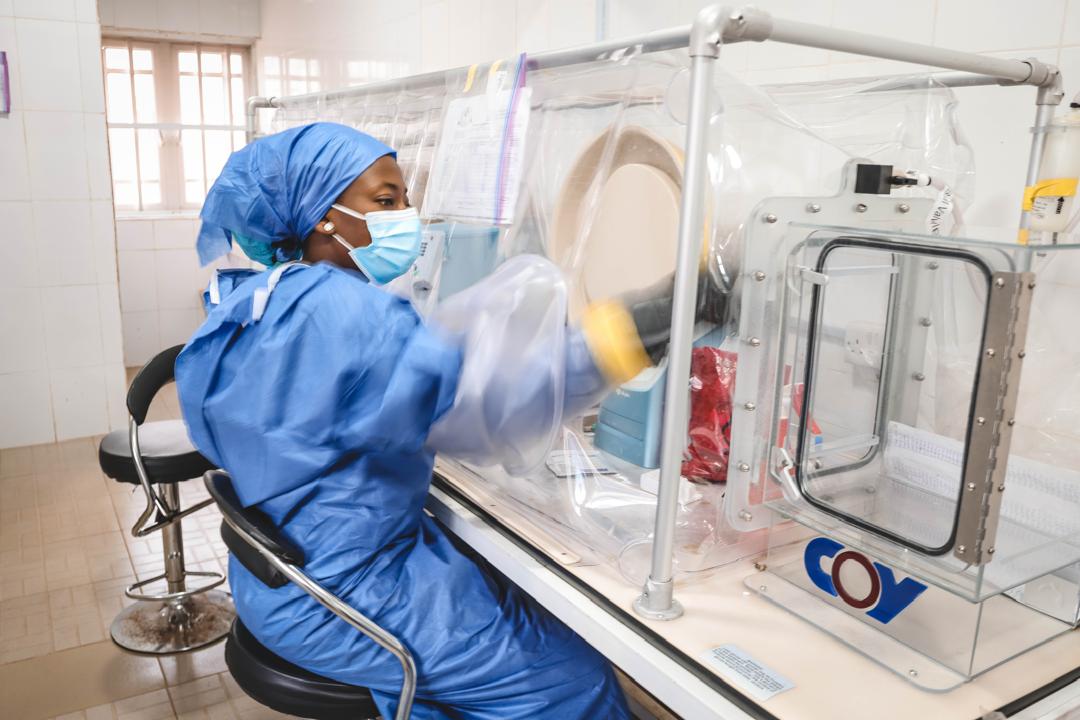
MSF built triage and observation areas, distributed personal protective equipment, implemented infection prevention and control systems, and trained local staff in safe and effective case management. “They helped us structure patient flow, biosafety measures, and provided what we needed to work safely,” said Dr. Ajayi. “They brought structure, training, and most importantly, hope.”
More than 230 training sessions were conducted for healthcare workers, while laboratory capacity was strengthened to enable faster diagnosis. MSF also covered the full cost of patient care—including dialysis, medications, and meals—helping to significantly reduce fatality rates. Between 2018 and 2024, MSF supported the treatment of 1,701 suspected and 427 confirmed Lassa fever cases. Notably, deaths among healthcare workers dropped sharply, with several years recording no fatalities.
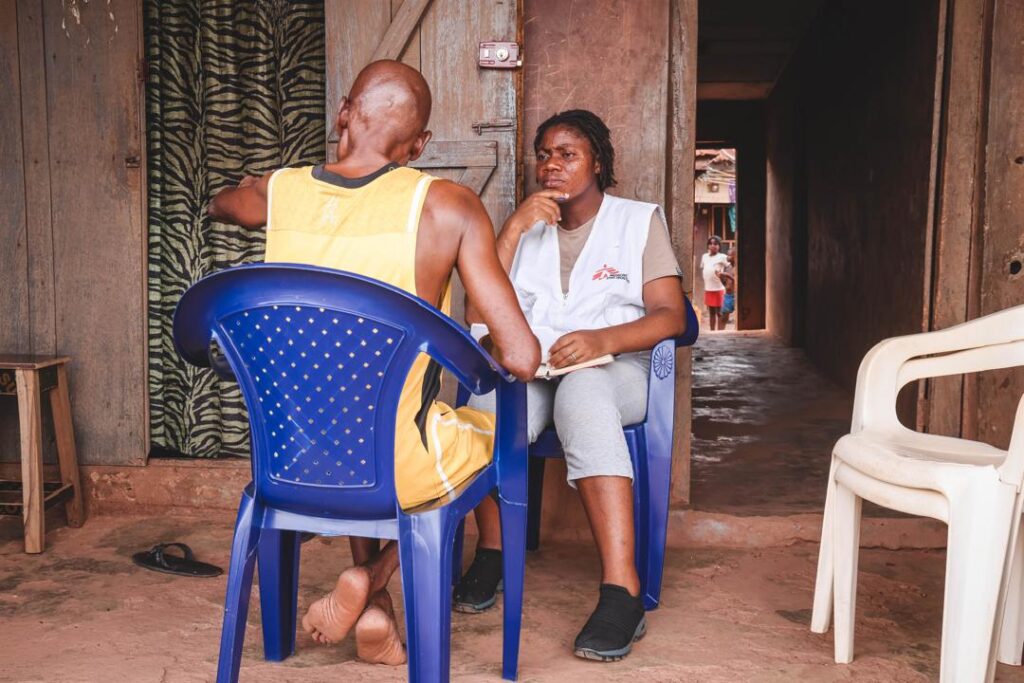
Recognising that hospital interventions alone were not enough, MSF expanded its efforts into communities. Public awareness of Lassa fever was low, and early detection was often lacking. To close this gap, MSF deployed health promotion teams that conducted over 4,500 education sessions and nearly 1,300 community visits across Ebonyi State. These activities helped demystify the disease, debunk harmful myths, and encourage timely medical care.
In addition, MSF supported two rural primary healthcare centres—Izzi Unuhu and Onuebonyi—providing medical supplies, training, lab equipment, and building water towers for improved sanitation. These efforts aimed to detect cases earlier and reduce pressure on AE-FUTHA.
In 2025, MSF formally handed over its operations to the Ebonyi State Ministry of Health and AE-FUTHA. The transition, planned over time, included donations of medical equipment, ambulances, waste management tools, and enough supplies to cover the next peak season. “We officially handed over management responsibilities at the end of 2024 but kept an observational team on until March of this year, in case the Ministry needed additional resources,” said Ndikundavyi.
MSF also helped establish internal committees at AE-FUTHA to uphold standards in infection control, patient care, and outbreak response. Additionally, the organisation worked with the Nigeria Centre for Disease Control and Prevention, and both state and federal authorities, to strengthen national Lassa fever detection and treatment guidelines.
Today, AE-FUTHA is a transformed facility. Healthcare workers now have access to proper equipment, work with confidence, and treat patients with dignity. Survivors are no longer stigmatised but celebrated as symbols of resilience. Though the battle against Lassa fever continues—24 confirmed cases and one healthcare worker death were recorded in 2024—the devastating loss seen in 2018 has not returned.
“We are no longer afraid,” said Dr. Ajayi. “MSF helped us believe that we could fight Lassa fever—and win.”