

By Ebuwa Choice
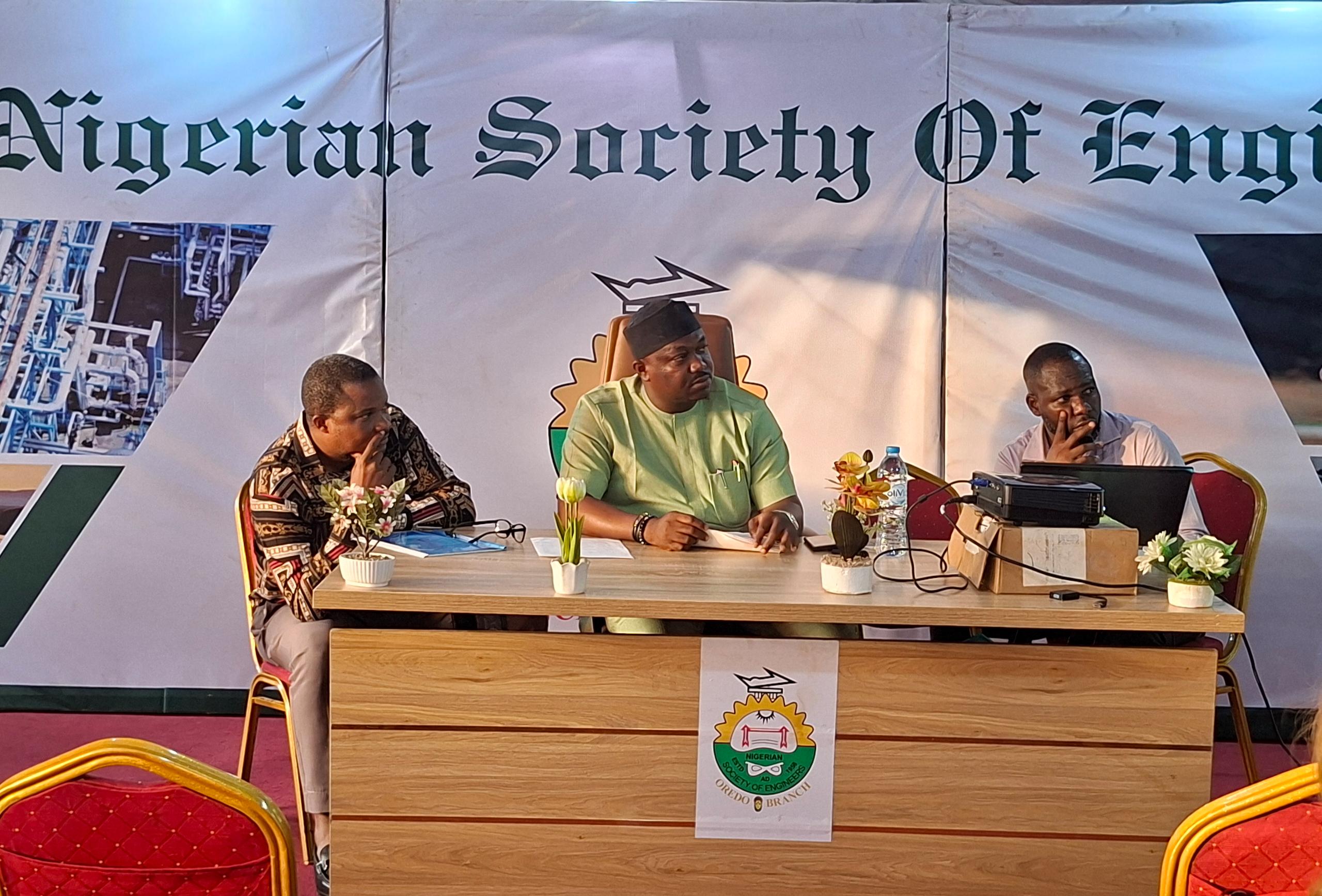
The Nigerian Society of Engineers (NSE), Oredo Branch, popularly known as “The Luxury Branch,” has emphasised the need for engineering innovation and renewable energy solutions to drive rural development and enhance food production across Nigeria.
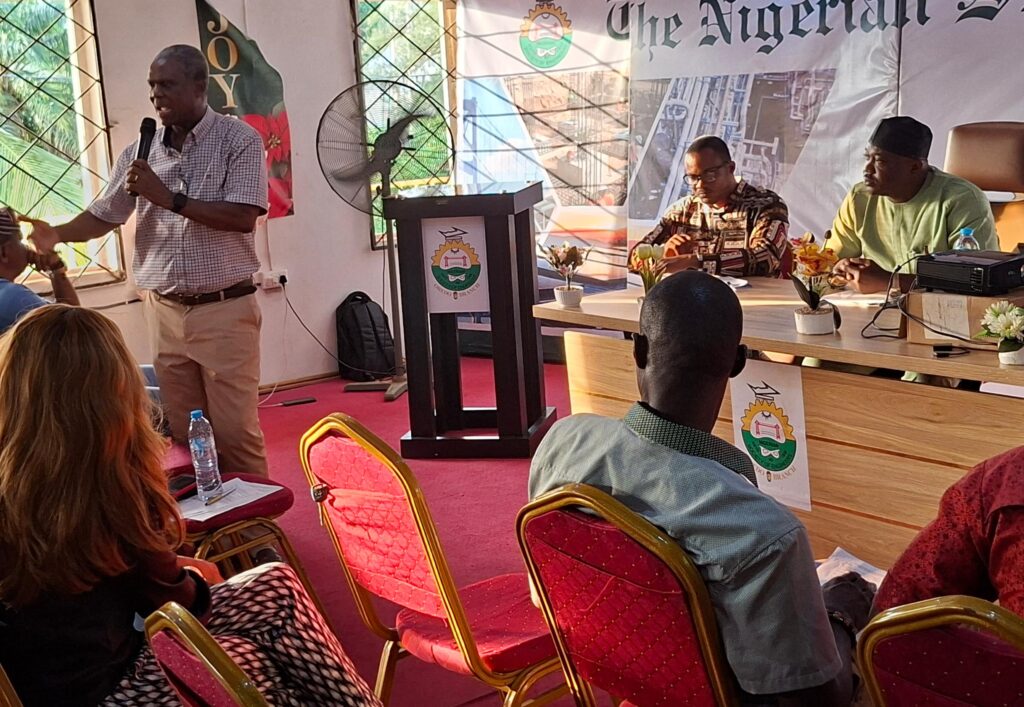
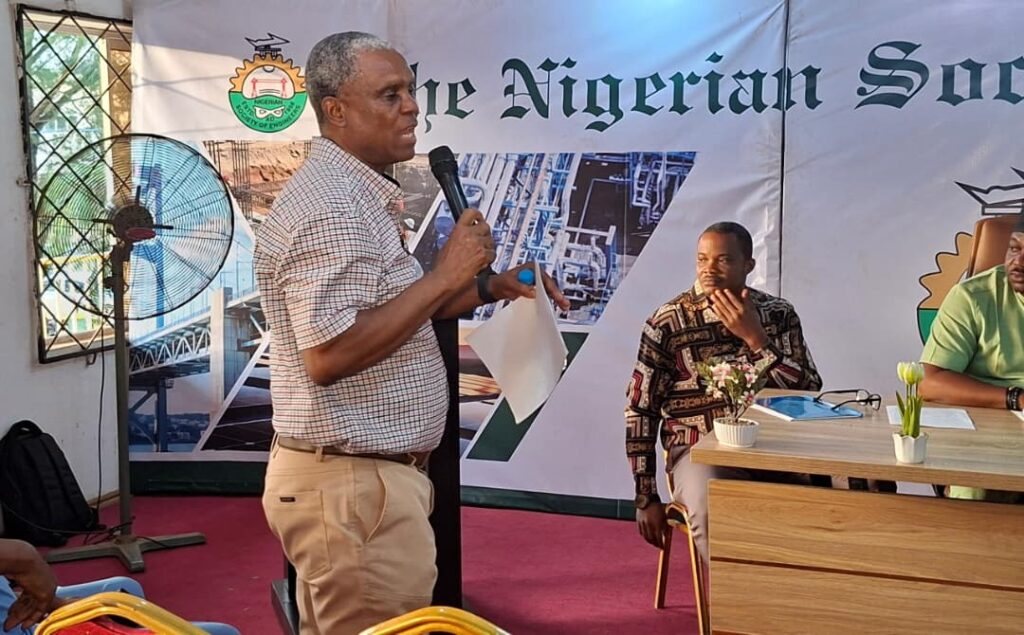
The call was made during its Monthly General Meeting and Technical Lecture for May 2026, held at Red Cross Crescent, Off Ikpokpan Road, GRA, Benin City, with the theme: “Approaching Rural Development Through Re-engineering Agriculture.”
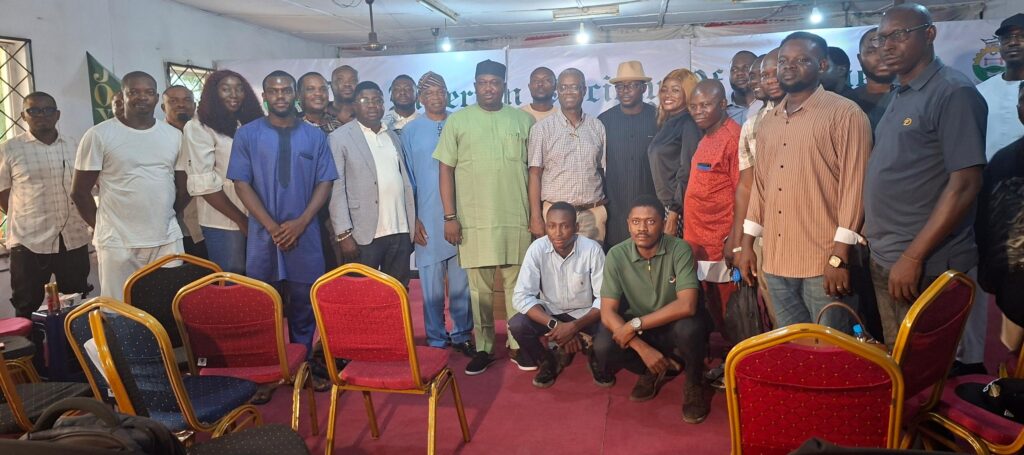
The event brought together engineering professionals, stakeholders, and experts who explored practical approaches to transforming agriculture in rural communities through engineering applications, mechanisation, renewable energy, and improved food preservation systems.
Dignitaries present at the programme included the Vice Chairman of Nigerian Society Of Engineers, Engr. Osayamen Airhunmwunde; Treasurer of Nigerian Society Of Engineers, Engr. Dr.Onim Ashama; National EXCO Representative for South-South on Membership, Engr. Dr. Evukorowhiroro Ojegba, FNSE; Guest Speaker, Engr. Pascal Osigbemhe; and Past Secretary of Nigerian Society Of Engineers, , Engr. Dr. Solomon Emhonbotitti, FNSE, among others.
Delivering the technical lecture, the Guest Speaker, Engr. Pascal Osigbemhe, explained that the topic was inspired by engineering practices he observed during his visit to the United Kingdom, where several rural communities already utilise engineering solutions to improve agricultural productivity and ensure food security.
According to him, many rural communities in Nigeria still practise agriculture under difficult conditions despite the sector being largely production-oriented and engineering-driven.
He noted that agricultural engineers, as production managers, must focus on increasing productivity and improving farming systems, stressing that agricultural production globally remains predominantly rural-based rather than urban-based.
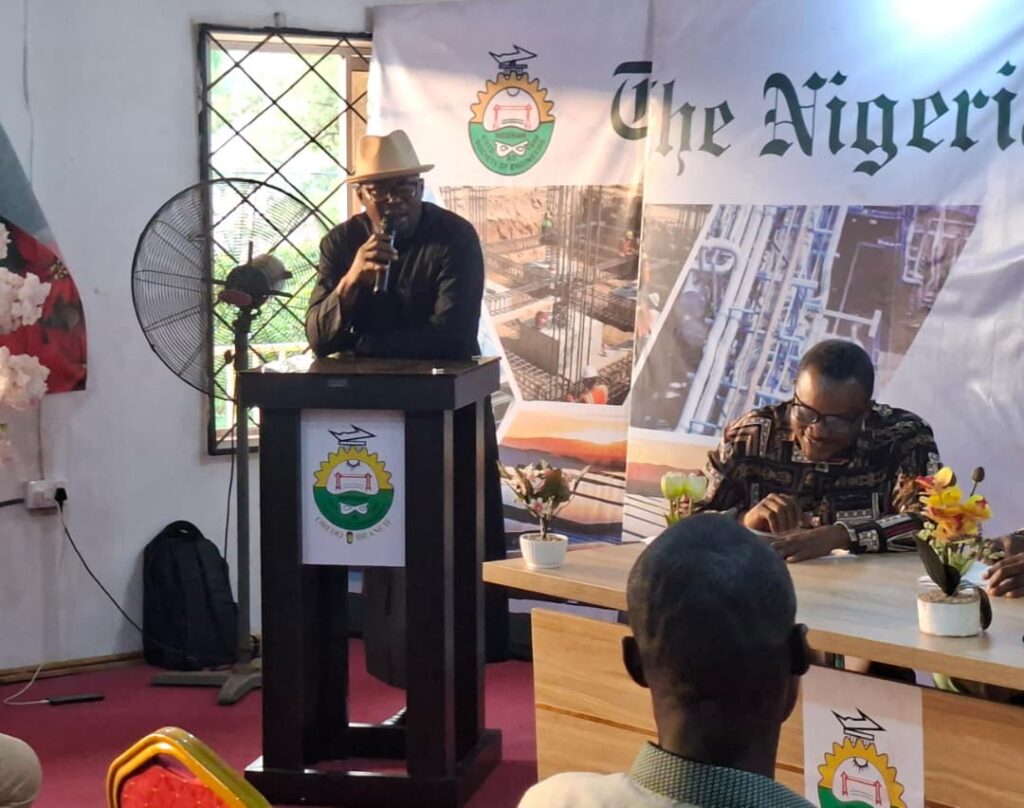
Speaking further, Osigbemhe identified inadequate power supply as one of the major challenges affecting agricultural development in rural Nigeria.
He explained that extending conventional electricity infrastructure to remote communities is expensive due to environmental challenges and insecurity, adding that solar-powered agricultural systems provide safer alternatives with higher returns on investment.
He introduced the concept of Agrovoltaics, describing it as the integration of agriculture with solar-powered energy systems.
“Agro means agriculture while voltaic refers to solar power generation. Agrovoltaics is the use of solar energy to support agricultural production,” he stated.
He therefore urged engineers to strengthen partnerships with rural farmers and local government authorities to improve agricultural productivity.
Also speaking, the Vice Chairman of Nigerian Society Of Engineers and Director of Airos Synergy Limited, Engr. Osayamen Airhunmwunde, stated that the lecture focused on developing agriculture within rural communities through innovative engineering solutions.
He explained that agrovoltaic technology can help minimise post-harvest losses, reduce wastage, and improve efficiency in agricultural production.
Airhunmwunde called on government at all levels to support farmers through subsidies on agrovoltaic systems and renewable energy facilities.
He further advocated stronger collaboration between farmers and agricultural engineers through mechanisation and the development of farm equipment capable of addressing immediate farming challenges.
In her remarks, the Treasurer of Nigerian Society Of Engineers, Engr. Dr. Onim Ashama, described agriculture as both Nigeria’s past and future.
She noted that more people are gradually returning to agriculture and urged agricultural engineers to pay attention to waste generated from food production.
According to her, converting agricultural waste into useful products would not only reduce environmental impact but also create additional value within the agricultural sector.
Similarly, the National EXCO Representative for South-South on Membership, Engr. Dr. Evukorowhiroro Ojegba, FNSE, said the programme highlighted emerging opportunities in applying solar technology to preserve agricultural products.
He encouraged agricultural engineers and government institutions to explore investment opportunities in renewable energy systems for agriculture.
Adding his voice, the Past Secretary of Nigerian Society Of Engineers, Engr. Dr. Solomon Emhonbotitti, FNSE, described the programme as highly educational and beneficial to economic development.
He explained that agricultural settlements powered by renewable energy could enable farmers to combine crop production with industrial activities, thereby creating dual sources of income.
Emhonbotitti, however, identified insecurity as one of the major factors limiting commercial and sustainable agricultural practices in Nigeria, particularly in Edo State.
The technical session ended with renewed calls for increased government support, private sector collaboration, and greater engineering participation in transforming rural agriculture through sustainable energy solutions.