

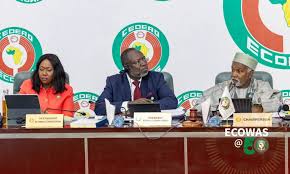
The President of the Economic Community of West African States (ECOWAS) Commission, Dr. Omar Touray, has called for a holistic approach to addressing non-tariff barriers in order to boost economic exchange and integration across the region.
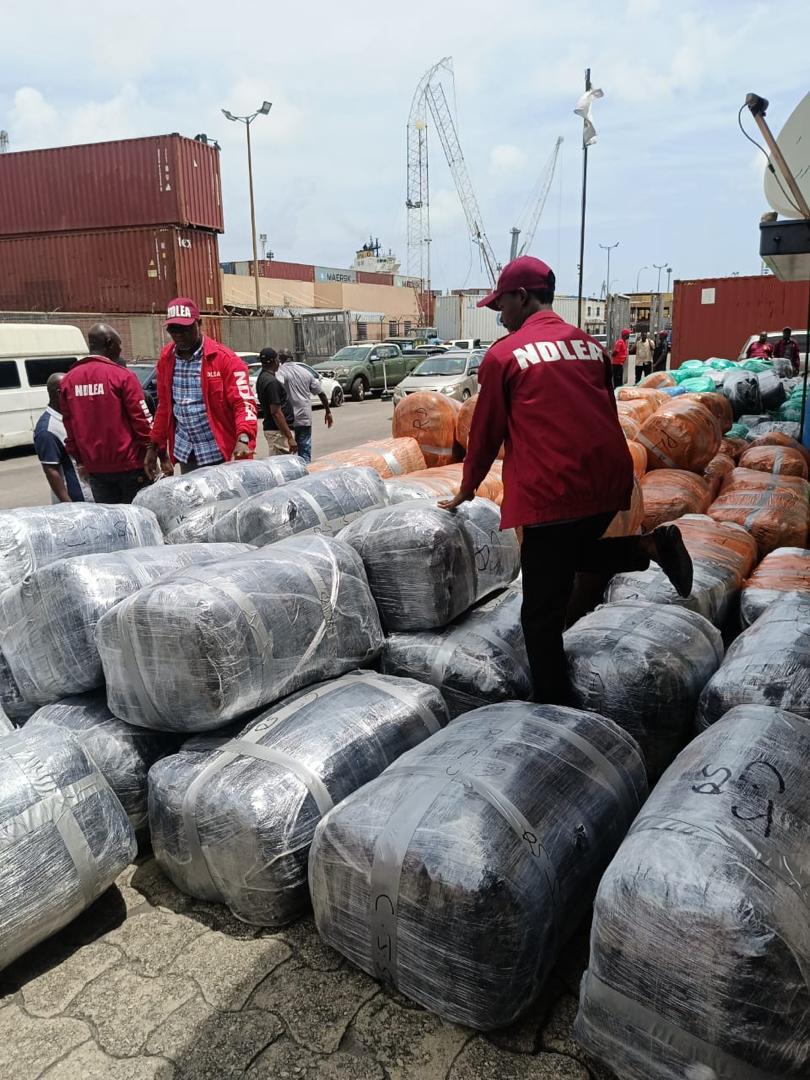
Non-tariff barriers refer to restrictions on trade that are not related to tariffs, including regulatory measures, customs delays, and administrative hurdles. While such barriers may comply with international trade rules, they are often seen as protectionist and detrimental to free trade.
Speaking in Abuja on Thursday at the opening of the two-day 94th Ordinary Session of the ECOWAS Council of Ministers, Dr. Touray lamented the persistent challenges posed by non-tariff barriers and stressed the need for intensified efforts to advance trade, investment, and economic growth within the region.
He noted that, despite efforts by ECOWAS institutions to promote regional integration and economic development, non-tariff barriers remain a significant obstacle. He urged ministers to examine the issue within the framework of the ECOWAS Trade Liberalisation Scheme and the African Continental Free Trade Area (AfCFTA).
“Non-tariff barriers have become a perennial obstacle to boosting regional trade, investment, industrialisation, competitiveness, and economic growth in our region,” Touray said. “Despite numerous initiatives — including the Presidential Task Force on the Trade Liberalisation Scheme — the problem persists.”
He recalled his road trip in May from Lagos to Cotonou, which allowed him to witness first-hand the difficulties along the regional corridor and at the joint Seme/Krake border post between Nigeria and Benin. “I saw first-hand the challenges posed by non-tariff barriers along the corridor. We must do everything to put an end to this and facilitate economic exchange across the region,” he added.
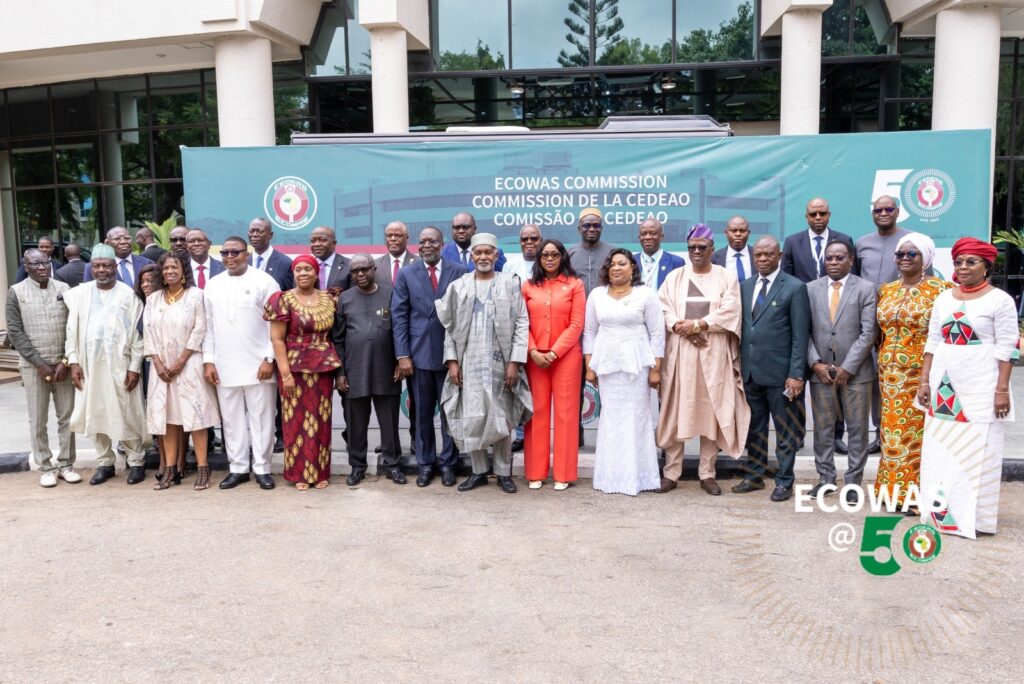
Minister of Foreign Affairs, Ambassador Yusuf Tuggar, who serves as host minister and Chairperson of the ECOWAS Council of Ministers, emphasised the importance of strategic dialogue that produces meaningful outcomes for member states and their citizens.
He said the session comes at a time of critical reflection and decisive action, reminding delegates of the founding purpose of ECOWAS and other African Regional Economic Communities, particularly the drive against neo-colonialism.
“It has become necessary, whenever the opportunity arises, to remind ourselves that ECOWAS and regional integration in Africa was borne out of our yearning for economic decolonisation and not the other way round,” Tuggar said.
He explained that the Council would deliberate on a wide range of reports and proposals, focusing on thematic and sectoral issues central to the region’s development and stability, including economic integration, infrastructure, health, education, agriculture, and institutional reforms.
The minister underscored the need for extensive and multifaceted integration processes that reflect the region’s complex realities. He urged the Council to approach discussions with a spirit of collegiality, compromise, and flexibility, anchored in the broader vision of a united and resilient regional economic community.
“This session should be defined not only by the depth of our deliberations, but also by the courage of our decisions. I encourage us all to engage in open, constructive, and foresighted discussions. Let us draw on our diverse expertise, share best practices, and work collaboratively to ensure the decisions we make here will translate into meaningful outcomes for our member states and the citizens of our community,” he stated.
He also announced the upcoming West Africa Economic Summit (WAES), an initiative by President Bola Tinubu scheduled to hold from Friday to Saturday in Abuja. The summit aims to strengthen the role of private enterprise as key development partners in the region and will feature participants from both the public and private sectors, including policymakers, regulatory agencies, investors, development finance institutions, banks, and startups.