


…As Minister Abdullahi Champions Untapped potential, Innovation at Inaugural World Agritourism Festival 2025
By Emamuzo Iboma
Minister of State for Agriculture and Food Security, Senator Aliyu Sabi Abdullahi, passionately called for Nigeria’s agricultural revival during his keynote address at the inaugural World Agriculture Festival 2025. Emphasizing agriculture and agritourism as key drivers of economic diversification and sustainable growth, he highlighted the nation’s vast, underutilized potential.
Abdullahi commended Xtralarge Farms and Resources for pioneering an innovative initiative that transforms agriculture into a cultural and tourism asset, showcasing Nigeria’s scattered resources and fostering collaboration among farmers, tourism experts, and policymakers. “This festival demonstrates how our diverse assets across Nigeria can be harnessed creatively to promote growth and cooperation,” he stated.
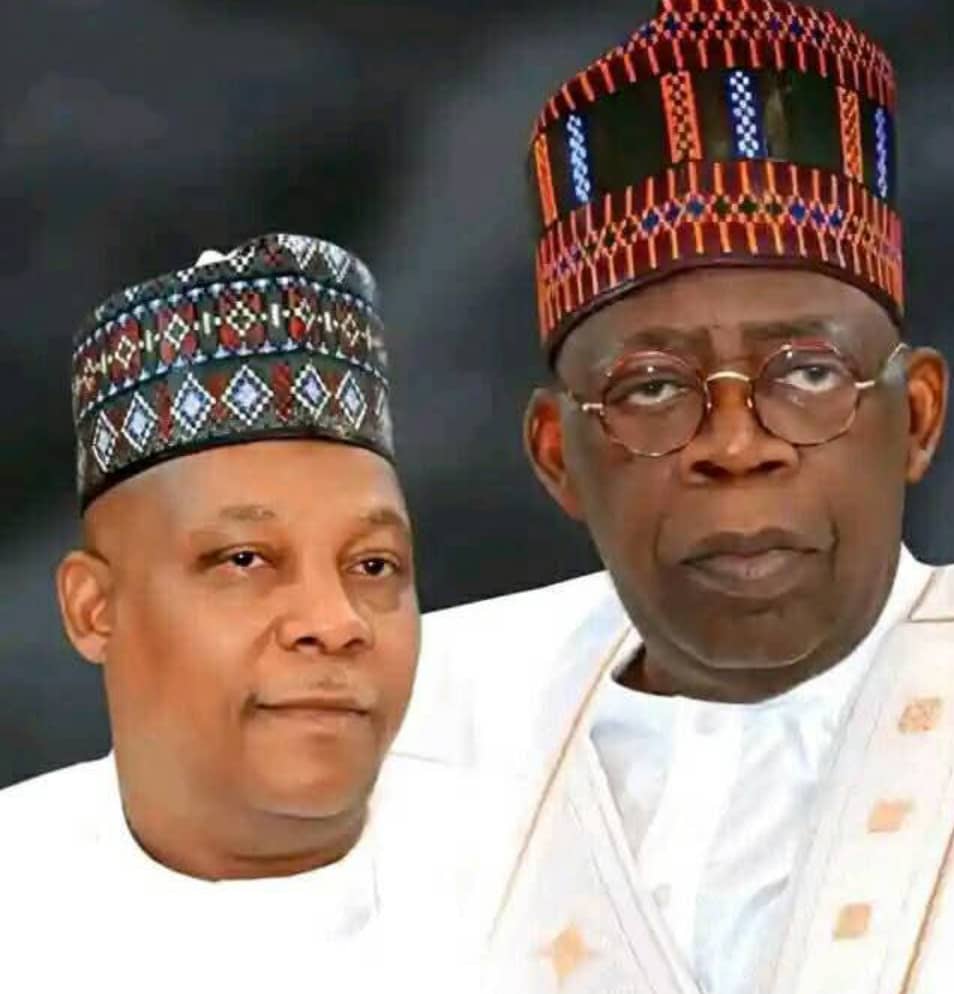
Receiving the “National Agritourism Patron of the Year” award on behalf of Nigerian farmers—particularly women and youth—Abdullahi emphasized their resilience and ingenuity in shaping Nigeria’s future. He reaffirmed the government’s commitment under President Bola Ahmed Tinubu’s renewed hope agenda, prioritizing agriculture as the backbone of Nigeria’s economy, with a focus on making it smarter, inclusive, and resilient.
Highlighting the potential of agritourism—through farm tours, festivals, farm stays, and educational programs—Abdullahi drew inspiration from global examples in Italy, the United States, and South Africa. He stressed that agritourism can boost farmers’ income, stimulate rural development, and attract both local and international visitors.
To accelerate this vision, he called for the establishment of a national technical committee comprising federal ministries, agencies, and stakeholders to develop policies and strategies for scaling agritourism nationwide. “Transformation requires coordinated efforts; we must build a unified network to ensure shared growth and maximum impact,” he urged.
Reaffirming the ministry’s dedication, Abdullahi pledged strategic investments and policy support to unlock Nigeria’s vast, underused land resources, turning them into hubs of agricultural innovation and tourism. He also highlighted President Tinubu’s recent launch of agricultural equipment, underscoring the need to attract Nigeria’s youth to agriculture.
In closing, Abdullahi expressed optimism about Nigeria’s immense land potential, noting that the country cultivates only a small fraction of its three billion hectares of arable land. “There is enormous room for growth; with innovation, partnerships, and strategic initiatives, Nigeria’s agricultural future is bright,” he affirmed.
The festival’s success marks a pivotal step toward integrating agriculture and tourism, promising a prosperous future driven by resilience, innovation, and collaboration.
Ogun State First lady on her part, Dr. Mrs Bamidele Abiodun said the World Agritourism Festival has emerged as a timely and pivotal event, drawing global attention to one of Nigeria’s most crucial sectors—agriculture—while highlighting its intersection with tourism, enterprise, and sustainability. Held at a significant moment in Nigeria’s journey toward economic diversification, the festival underscores the renewed focus on agriculture under President Bola Ahmed Tinubu’s leadership.
Mrs Abiodun stated that under the Tinubu administration, agriculture has become a central pillar of Nigeria’s strategy to achieve food security and economic resilience. Recent international agreements with Qatar and Brazil exemplify growing global confidence in Nigeria’s agricultural potential, aiming to expand infrastructure, introduce innovative technologies, and boost productivity along the entire value chain. These partnerships position Nigeria to play a leading role in feeding itself and contributing to global food supplies.
She added that Nigeria’s vast ecological diversity, from arid northern zones to fertile southern regions, offers abundant opportunities for cultivating a variety of crops and supporting a thriving livestock industry. In Ogun State, under Governor Abiodun’s leadership, agriculture remains a cornerstone of development, with investments in irrigation, rural infrastructure, farm access, and youth training over the past six years. Public-private partnerships have also spurred agro-processing, export-focused farms, and technological innovations, creating jobs and improving livelihoods along the way.
“A vital aspect of Nigeria’s agricultural renaissance is the inclusion of women. Women constitute more than half of smallholder farmers across the country and are essential to planting, harvesting, processing, and trading. Yet, they often lack access to finance, land, and technological support.
She recommended empowerment scheme for women through initiatives like the First Lady’s Renewed Hope Agricultural Support Scheme , which is crucial for fostering economic growth, gender equality, and food security. In Ogun State, efforts are underway to help women farmers expand into commercial agriculture, connecting them with agro-processors and leveraging proximity to Lagos’s large food market.
Leaders like Dr. and Dr. Mrs. Moji and Seyi Davis exemplify the sector’s leadership and innovation, inspiring a new wave of agricultural progress. As Nigeria attracts international confidence and private sector investment, coupled with the training and empowerment of youth, the country is poised to lead Africa’s next agricultural revolution.
Lagos State’s Commissioner for Agriculture and Food Systems, Honorable Ruth Bisola Olusanya highlighted the festival vision while emphasizes the importance of agritourism—a relatively untapped sector in Nigeria. She praised the event for uniting agriculture and tourism, two fields often seen as separate, but which together have the power to tell compelling stories, preserve heritage, empower communities, and foster sustainable economies.
Olusanya stressed that agritourism can transform Nigeria’s perception of agriculture from mere toil to a vibrant cultural and economic experience—showcasing innovation, celebrating heritage, and inspiring pride in our food systems. By bridging these sectors, Nigeria can diversify rural economies, educate the public, and ignite a renewed appreciation for the rich stories embedded in our land.
As Nigeria champions this integrated approach, the World Agritourism Festival exemplifies a collective commitment to nurturing a resilient, inclusive, and innovative agricultural future—one that sustains livelihoods, enriches communities, and elevates Nigeria’s global standing in food and tourism sectors alike.