

By Emamuzo Iboma
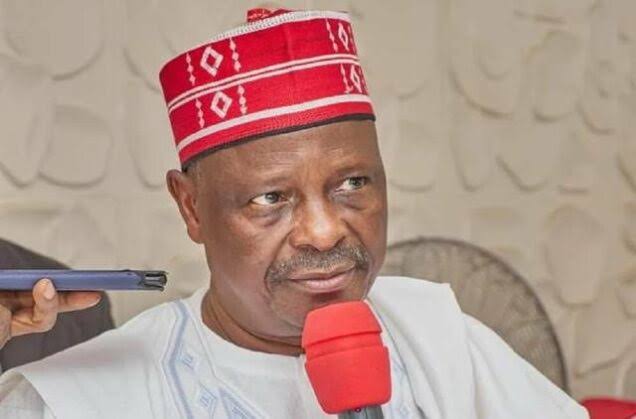
A northern advocacy group, Arewa Think Tank (ATT), has strongly rebutted former Kano State governor Senator Rabiu Musa Kwankwaso’s recent claims that President Bola Tinubu’s administration is neglecting the North in national infrastructure projects.
During a recent event, Kwankwaso accused President Tinubu of channeling more resources to the South, allegedly at the expense of the North, fueling regional tensions.
In a weekend statement, ATT Convener Muhammad Alhaji Yakubu dismissed Kwankwaso’s assertions as divisive and politically motivated ahead of the 2027 elections.
“Arewa Think Tank rejects any form of ethnic, religious, or regional incitement,” Yakubu stated. “Why did Kwankwaso not speak out during previous administrations’ infrastructural neglect in the North? His current claims are unfounded and serve only to divide us.”
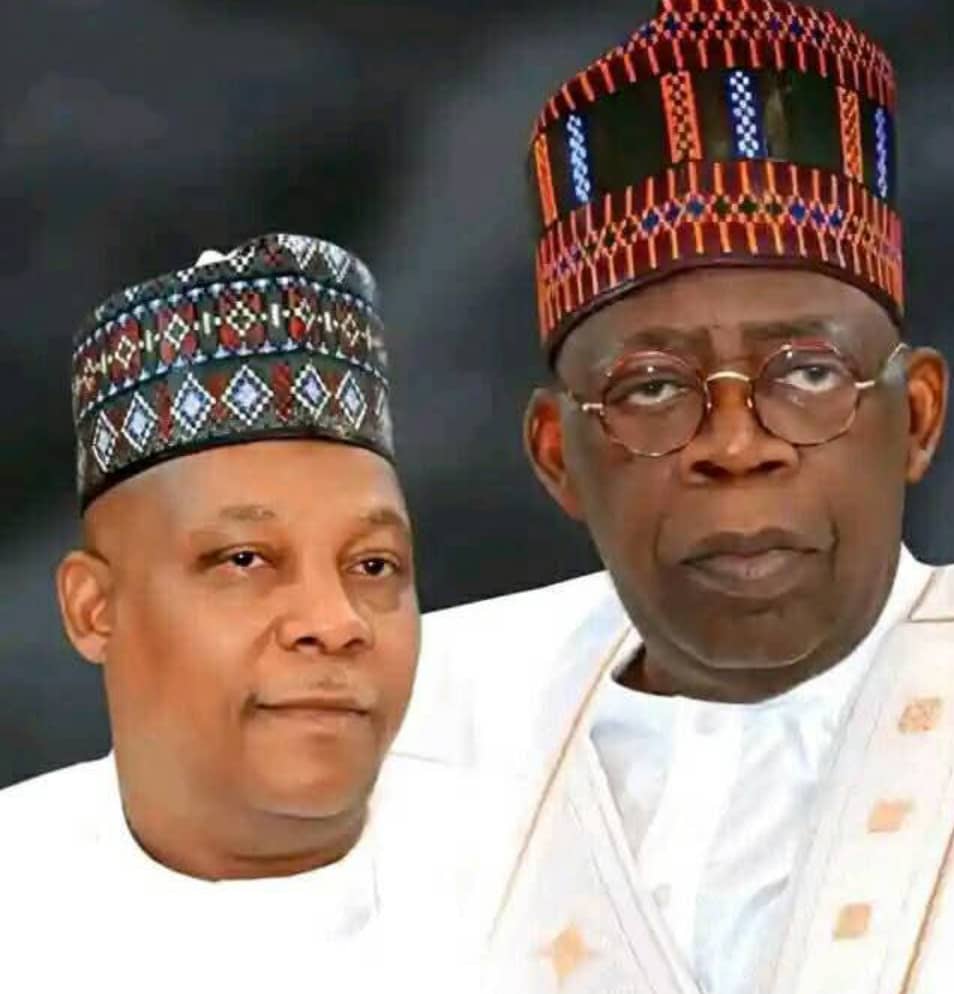
He emphasized that Nigeria’s leadership, including President Tinubu and Vice President Kashim Shettima, is actively working across regions. Yakubu highlighted projects like the Kano River Irrigation Scheme, commissioned in 2023, as evidence of ongoing development in the North.
“There’s no need for a North versus South debate—facts show significant infrastructure investments in the North under Tinubu’s government,” Yakubu asserted. “Misrepresenting data to incite regional resentment is irresponsible and dangerous.”
Referring to official statistics, Yakubu pointed out that over half of ongoing “legacy” road projects—52.48%—are in the North, with substantial Sukuk-funded projects and emergency interventions distributed across the region.
He also cited the Kano–Kaduna Standard-Gauge Railway, backed by China’s Development Bank, as a vital infrastructure link benefiting the North.
Yakubu criticized Kwankwaso’s claims as “a distraction designed to inflame regional tensions,” warning that such narratives undermine national unity. “The North has historically held power longer than any other region, yet many developmental issues persist. It’s time to focus on facts and accountability, not regional grievances,” he concluded.
The statement urged Nigerians to base discussions on evidence, advocating for unity and progress over divisive rhetoric.