

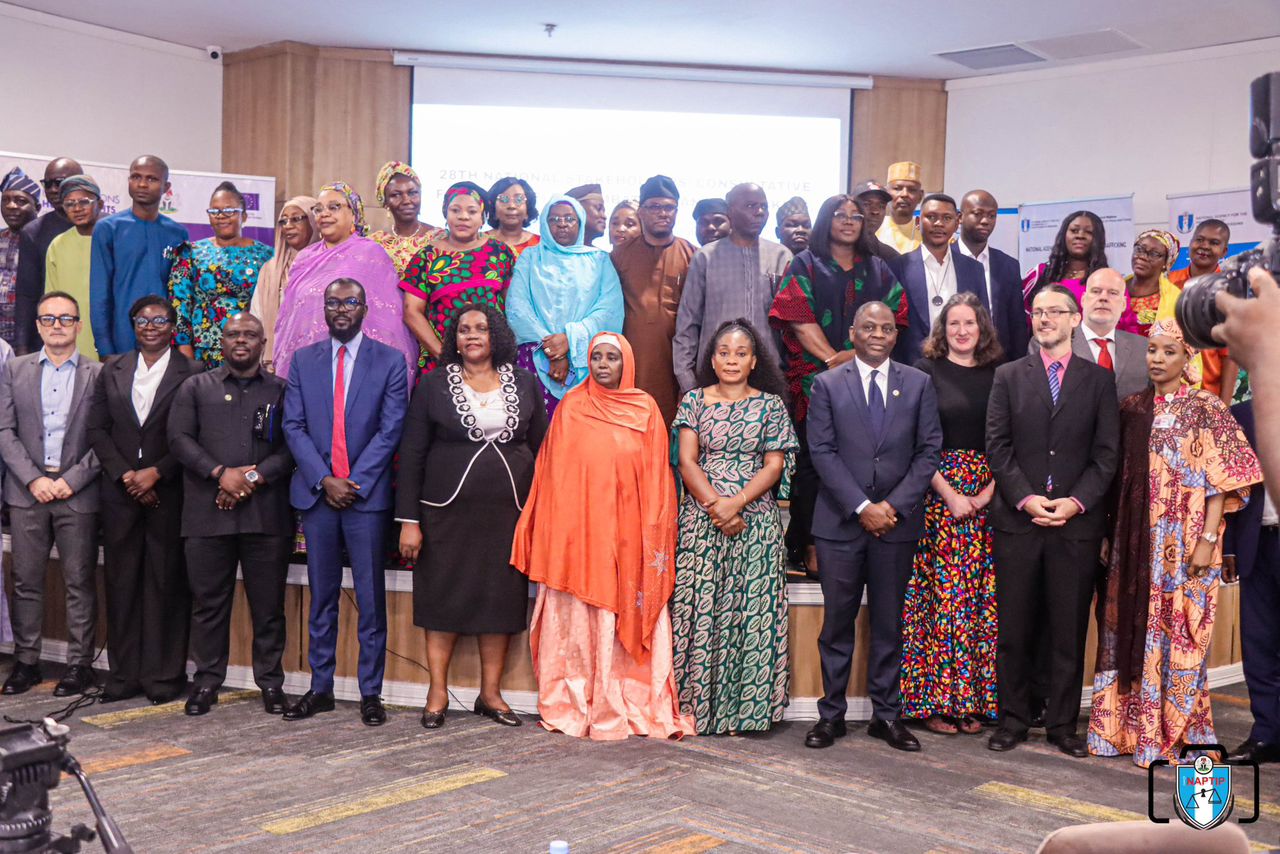
The Minister of Justice and Attorney General of the Federation, Prince Lateef Fagbemi, has called for a coordinated, multi-sectoral approach in the fight against human trafficking, describing it as a highly organized, profit-driven transnational crime that can no longer be tackled in isolation.
Fagbemi made the call in Abuja on Wednesday during the 2025 World Day Against Trafficking in Persons and the 28th National Stakeholders’ Consultative Forum. Represented by Victoria Ojogbane, Director of Research and Project Development, the Minister said the scale and structure of trafficking networks demand a united front and intelligence-led response.
“Human trafficking is a sophisticated and coordinated criminal enterprise. It is driven by profit—estimated at over $245 billion globally—and it threatens national security, with Nigeria being a source, transit, and destination country,” he said.
Highlighting achievements, Fagbemi noted that the National Agency for the Prohibition of Trafficking in Persons (NAPTIP) had rescued over 25,600 victims, arrested 11,406 suspects, and secured 750 convictions, emphasizing the complexity of prosecuting such crimes.
He urged stakeholders to begin work on the post-2026 National Action Plan on Human Trafficking and commended the United Nations Office on Drugs and Crime (UNODC) for incorporating its development into Nigeria’s country program and vision for 2026–2030.
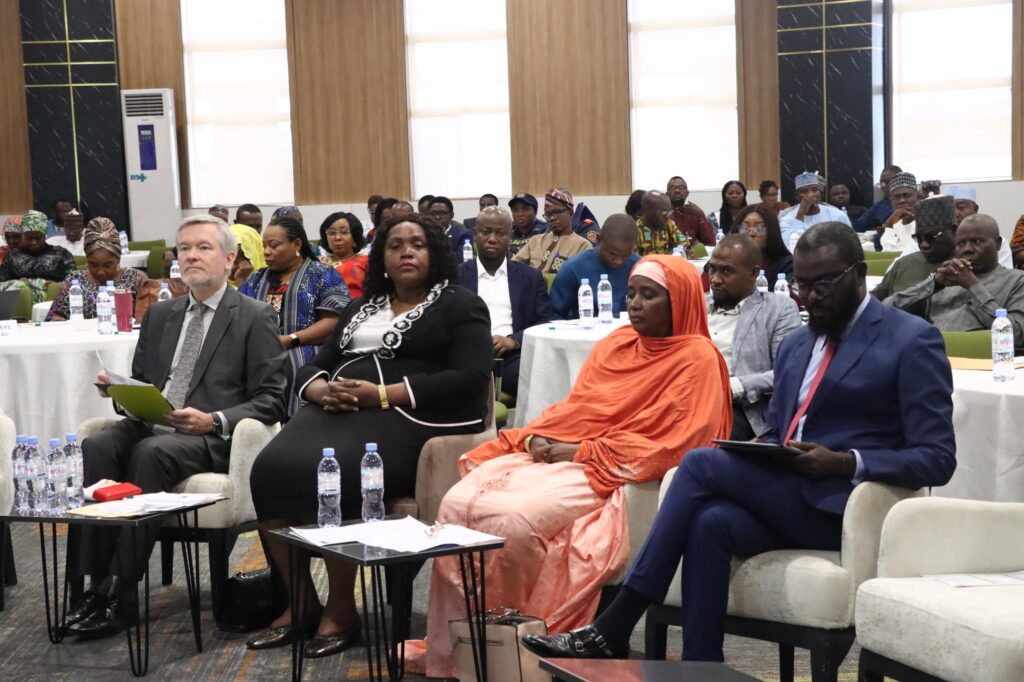
Director-General of NAPTIP, Hajiya Binta Adamu, warned of new and evolving trafficking trends such as “loan-for-sex” schemes, fake online job and scholarship offers, baby factories, and the recruitment of youth into cybercrime under the guise of employment. She called for vigilance and digital regulation to counter these tactics.
Adamu also disclosed ongoing efforts to operationalize the Protocol for Identification, Safe Return, and Rehabilitation of Trafficked Persons approved in 2022. She appealed to the Minister of Justice and the Ministry of Foreign Affairs to facilitate bilateral agreements with destination countries to strengthen implementation.
UNODC Country Representative, Mr. Cheikh Toure, reaffirmed support for Nigeria’s anti-trafficking efforts, calling for robust financial investigation, grassroots empowerment, and real-time national data sharing. He stressed that impunity fuels trafficking and urged governments to prioritize accountability, resource allocation, and coordination from federal to local levels.
“Investing in communities and local government task forces is critical,” he said. “We must also disrupt trafficking finances and ensure real-time data informs our strategies. Fighting blindfolded benefits the traffickers.”
Toure urged all stakeholders, including civil society and international partners, to align efforts toward a unified, whole-of-society approach to dismantle trafficking networks and end exploitation.