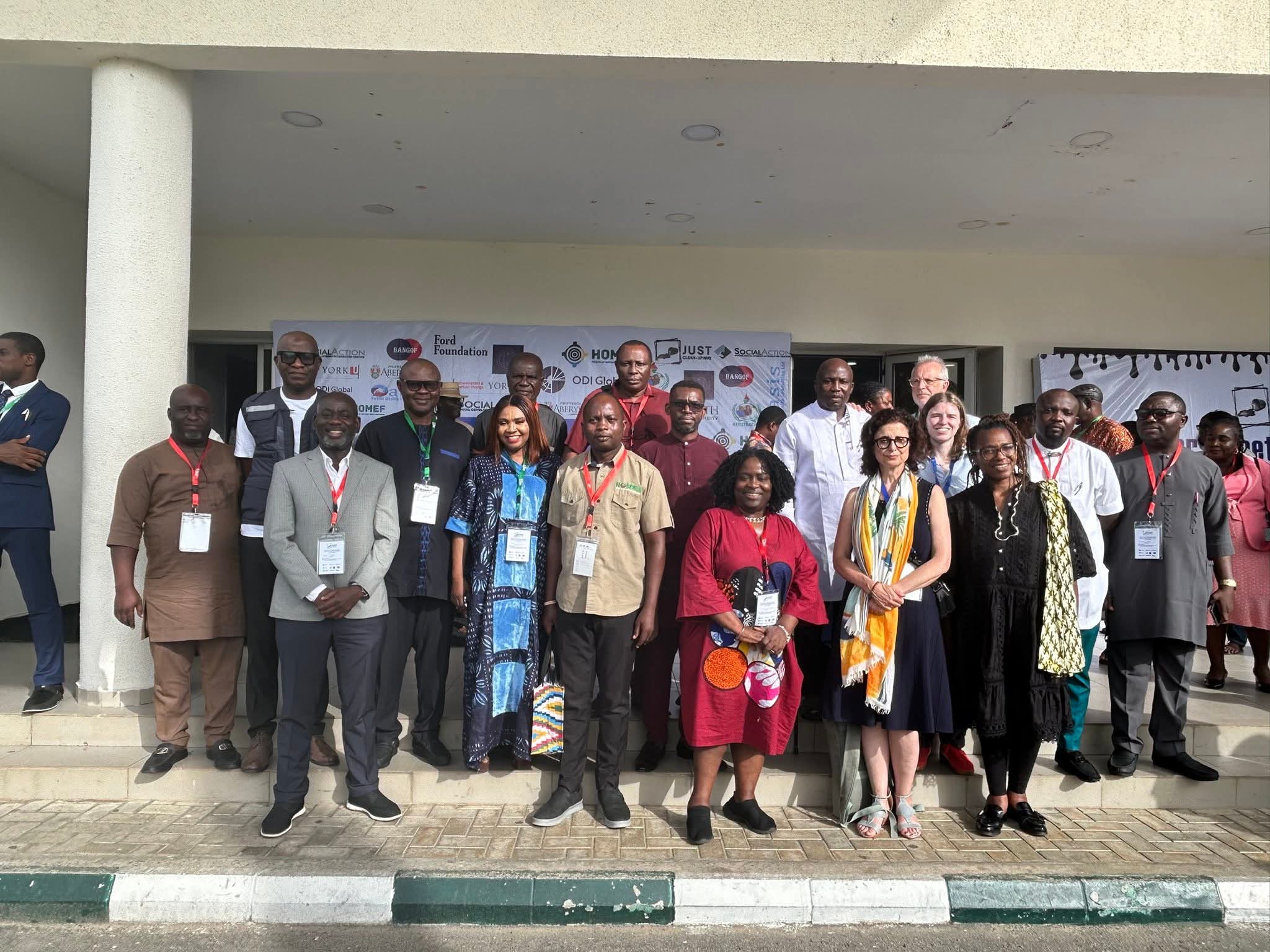
Environmental and public health experts, civil society groups, academics, community leaders, and government representatives have called for urgent and coordinated action to address the devastating health consequences of petroleum pollution in the Niger Delta.
The call was made during a one-day technical session and stakeholder engagement meeting convened under the International Working Group on Fossil Fuel Pollution and Just Transition, where participants examined the findings of the Bayelsa State Oil and Environmental Commission report on the environmental and health impacts of decades of oil exploration in the region.
The meeting focused on deepening scientific documentation of pollution-related health concerns while also developing practical strategies aimed at remediation, accountability, and policy reforms.
Participants at the gathering described the Niger Delta as one of the most environmentally degraded regions in the world due to years of poorly regulated fossil fuel extraction activities. They noted that oil spills, gas flaring, and toxic emissions have continued to contaminate water bodies, farmlands, and the air, exposing residents to life-threatening health conditions.

Speaking during the session, Dr. Isaac Osuoka stressed that communities in the Niger Delta have endured decades of environmental injustice with little accountability from both regulatory institutions and oil companies operating in the region.
According to him, the health implications of petroleum pollution can no longer be ignored, insisting that evidence gathered over the years must translate into practical interventions capable of improving the lives of affected residents.
“The people are living daily with the consequences of toxic pollution in their environment. Research without implementation does not help the communities that are suffering these realities,” he said.
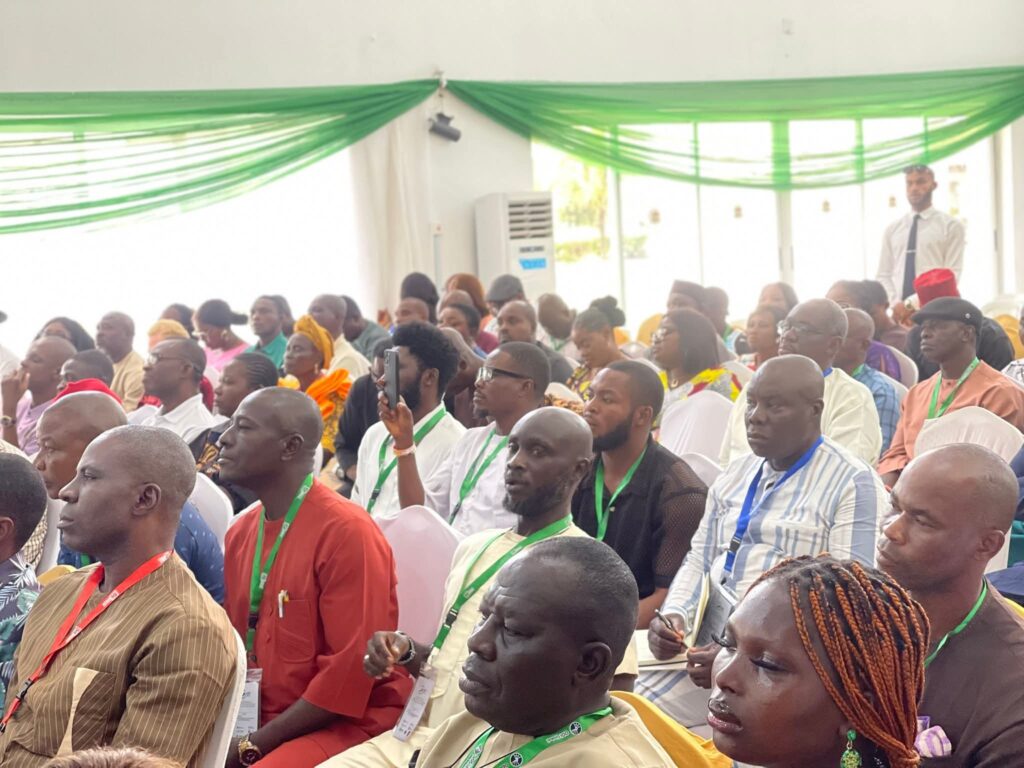
Dr. Osuoka further emphasized the need for government agencies and international institutions to move beyond policy conversations and commit to urgent remediation efforts across impacted communities.
He noted that residents across the Niger Delta continue to face chronic exposure to dangerous substances including benzene, sulphur dioxide, hydrocarbons, carbon monoxide, and heavy metals, describing the situation as a generational public health emergency.
Health professionals and environmental scientists at the meeting confirmed that prolonged exposure to these toxic substances has contributed to worsening respiratory illnesses, contaminated water sources, damaged livelihoods, and broader public health concerns in oil-producing communities.
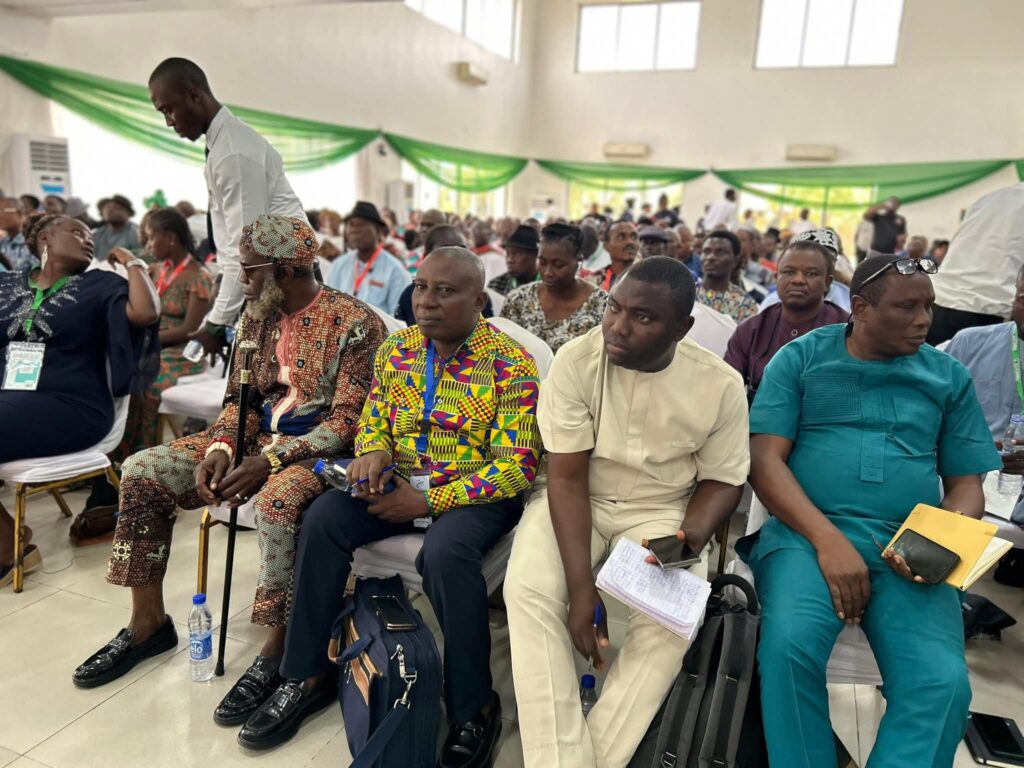
Participants emphasized the urgent need for stronger environmental regulations, effective enforcement mechanisms, and strategic collaboration among stakeholders to compel compliance from multinational oil companies operating in the Niger Delta.
The session also highlighted the need for internationally accredited laboratories to strengthen scientific credibility and improve peer-review standards for environmental research conducted in Nigeria. Stakeholders further advocated for systematic digital documentation of pollution data and the replication of similar studies in other oil-producing communities.
A major highlight of the engagement was the presentation of a Kebetkache research report on the impact of oil extraction on women’s health in Otuabagi Community in Bayelsa State. The report underscored the disproportionate burden borne by women and children living in oil-producing areas where environmental pollution has continued to threaten livelihoods, reproductive health, and access to clean water.

Participants acknowledged that while petroleum activities have contributed significantly to Nigeria’s economy, host communities have continued to suffer severe environmental degradation and worsening public health conditions.
Dr. Osuoka also called for stronger partnerships among government agencies, researchers, civil society organisations, and affected communities to ensure that scientific findings influence policy reforms and environmental governance.
“We already know the scale of the problem. What is required now is action, accountability, remediation, and justice for the people of the Niger Delta,” he stated.
The meeting also drew attention to the institutional and structural challenges faced by environmental regulators in enforcing compliance among oil operators. Some regulators reportedly admitted that existing legal and operational limitations often weaken enforcement efforts and delay remediation projects in affected communities.
Stakeholders therefore urged the Federal Government and relevant agencies to demonstrate stronger political will in tackling environmental injustice in the Niger Delta through immediate remediation programmes and comprehensive policy reforms.
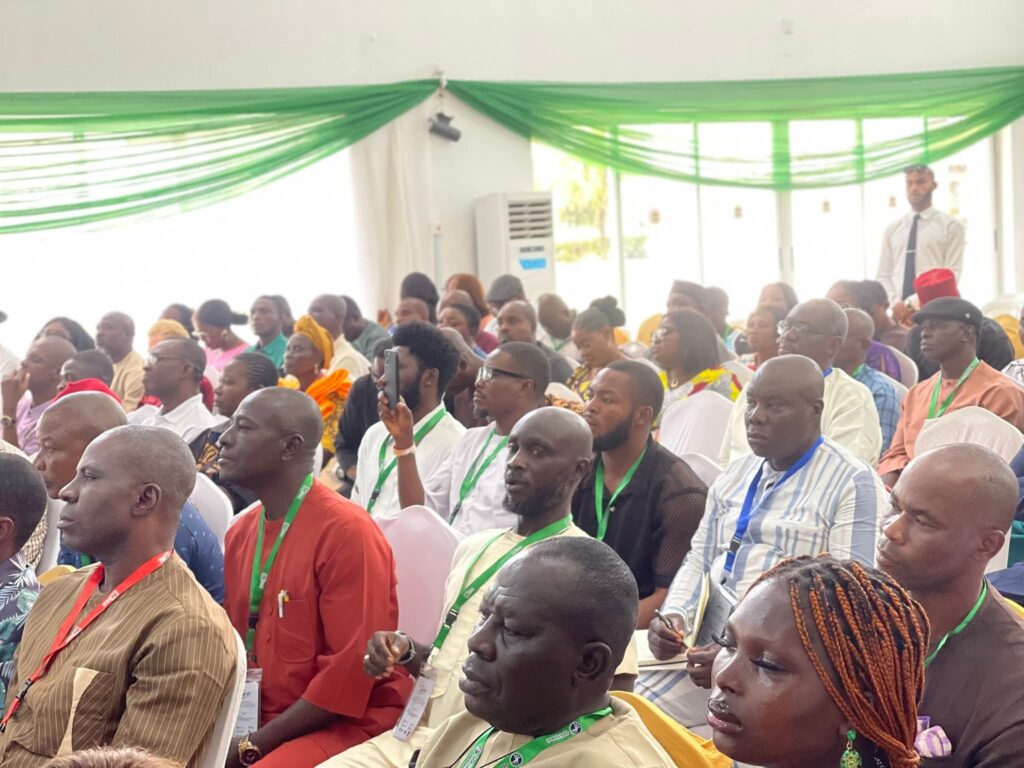
The gathering concluded with renewed calls for sustained advocacy, coordinated pressure on government institutions, and cross-sector partnerships capable of translating scientific evidence into meaningful policy changes and environmental justice for affected communities.
Participants maintained that environmental sustainability and public health protection must become central priorities in Nigeria’s energy and development policies.