

Food security: Group demands women’s access to food processing infrastructure
Uko Okon, Uyo
A nongovernmental organisation, the Clement Isong Foundation, has demanded access to food processing infrastructure for women to boost food security in Nigeria, highlighting the crucial role women play in ensuring food security, particularly in rural areas.
The Foundation emphasised that women are key actors in food systems, serving as producers, processors, traders, and consumers, but they face numerous challenges like limited access to resources and infrastructure.
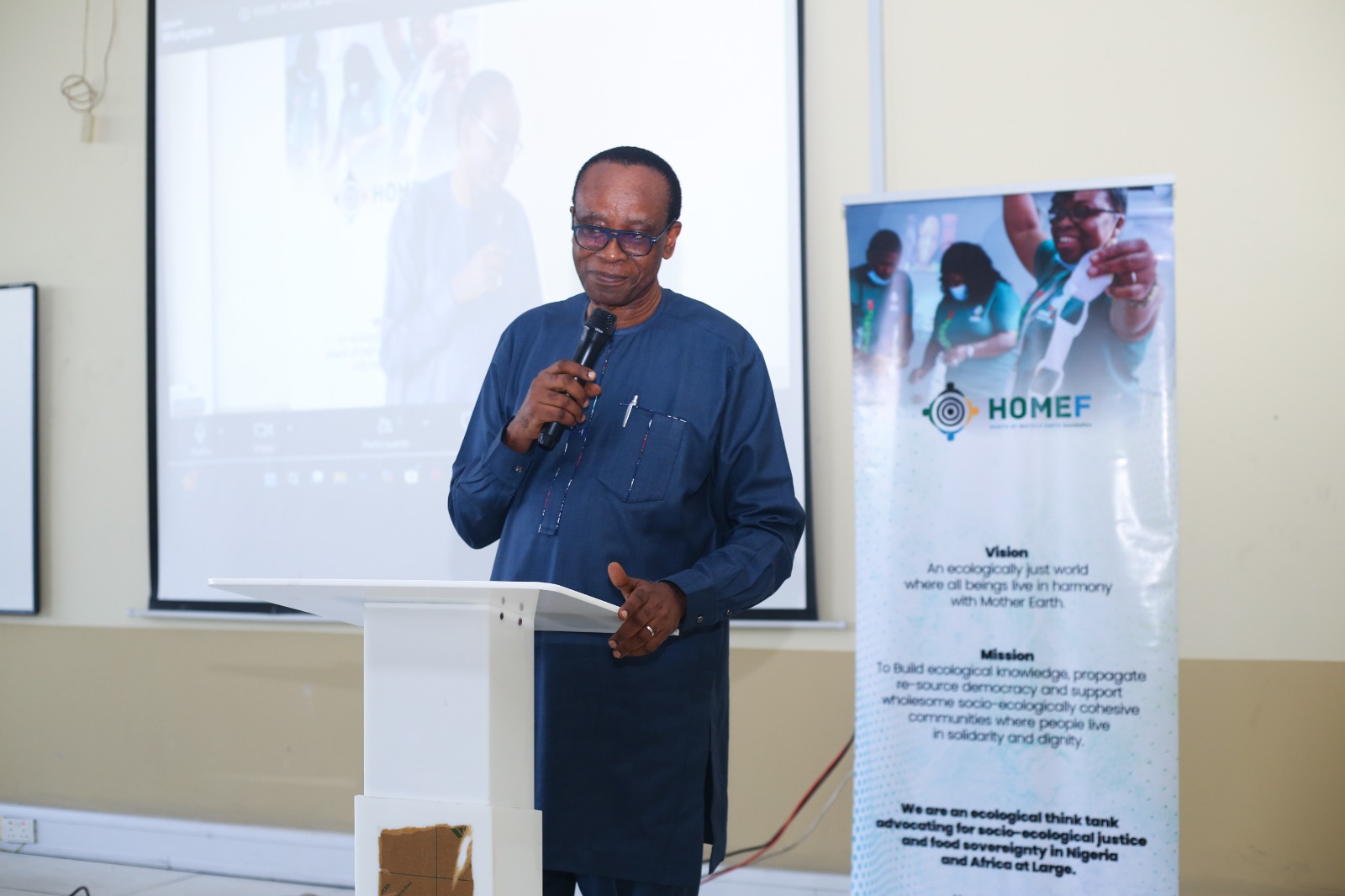
This was contained in a communique issued by the Clement Isong Foundation at the end of its one-day workshop on Agroecology in Uyo.
Agroecology is a holistic approach to agriculture that prioritises the well-being of the entire ecosystem, encompassing soil health, biodiversity, water conservation, local food systems, and farmer livelihoods.
According to the Communique, “Integrated farming systems should be encouraged and the adoption of sustainable land-use
practices to enhance resilience and productivity.”
The communiqué further stated that an organic farmers’ network should be established to improve value addition, branding, and market segmentation.
The Communique reads, “Addressing gender-specific barriers by supporting women’s access to infrastructure for food processing.
“Encouraging integrated farming systems and the adoption of sustainable land-use practices to enhance resilience and productivity.
“Promoting the establishment of an organic farmers’ network to improve value addition, branding, and market segmentation.
“Advocating for the gradual reduction of inorganic farm input imports while promoting local organic alternatives.
“Strengthening community-driven training programs on agroecology, with a focus on both crop and livestock production.
“Recapitalizing the BOA and enhance financial literacy to improve farmers’ access to credit.
“Developing and disseminating accessible knowledge products, including online resources, to support farmers.
“Leveraging social media platforms to increase awareness and scale up agroecological advocacy.
“Enhancing collaboration with ActionAid Nigeria to provide targeted training and support for female farmers in SWOFON.
“Fostering partnerships between government and universities to fund agroecology research and ensure that research outcomes are translated into practical solutions for farmers,” it added.