No Nice Word for Genocide
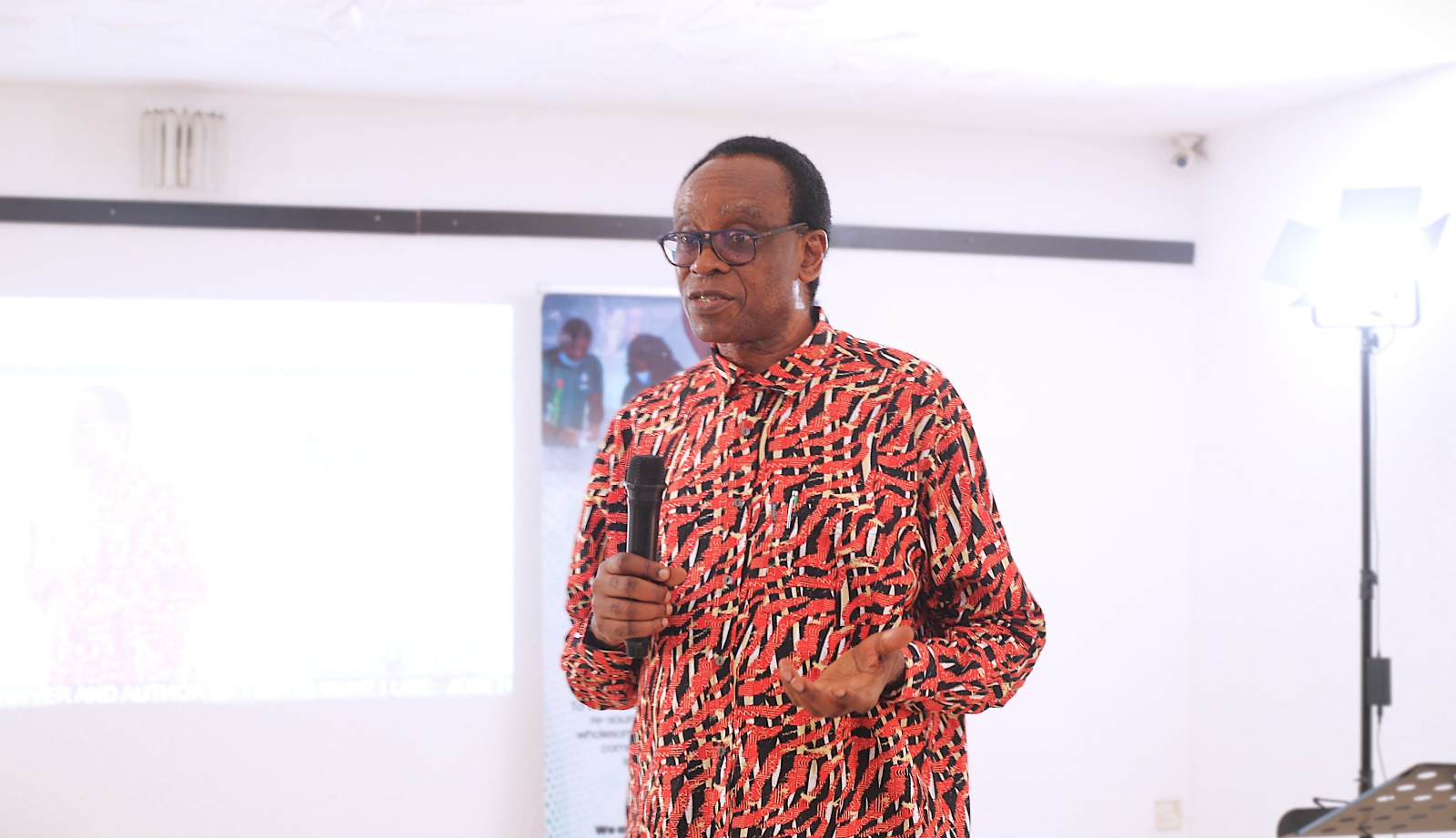
Welcome words by Nnimmo Bassey, Director, HOMEF, at the International Oil Pollution
and Just Transition Conference held at Abuja on 30 October 2024
This conference comes at a pivotal moment in the socioecological history of Nigeria. Extractivism and accompanying pollution have wreaked extensive damage in our national life’s physical, socioeconomic, and cultural spheres. They have worked together to build
a warped future, which must be deconstructed and reconstructed. One of the planks for this rebuilding effort is the Bayelsa State Oil and Environment Commission (BSOEC) report aptly titled An Environmental Genocide: The Human and
Environmental Cost of Big Oil in Bayelsa, State Nigeria.
The report highlighted the incredible extent of petroleum pollution in Bayelsa State and has given us a vivid picture of the extreme damage that almost seven decades of crude oil exploitation have done to the entire Niger Delta region, particularly concerning both
environmental and human health. It is pure environmental genocide, and there is no way to sugarcoat its horrors. The report is riddled with almost unimaginable facts. For example, it tells us that there is 1.5 barrels per capita crude oil pollution in Bayelsa State. It affirms an atrocious
level of harm visited on the state, including the total hydrocarbon pollution of the water in the state at 1 million times above safe or acceptable standards. One million times above safe standards. We note that the pollution is from both old and active wells, flow stations, and pipelines.
Indeed, abandoned and decrepit oil infrastructure continues to pose an extreme threat to the environment and the people of the state. Some communities have been ripped apart by canalization, while others face the threat of being washed into the ocean by combined
subsidence, sea level rise, and coastal erosion. Our water channels are blatantly and recklessly used as waste dumps for produced water and sundry harmful wastes disregarding ecological and human safety. Our lands and water bodies are privatized and damaged through acts of egregious industrial vandalism and systemic environmental racism emanating from the worst forms of colonial resource extraction and land grabbing. Distinguished ladies and gentlemen, often when we talk of climate change, we focus on the carbon in the atmosphere, mostly emanating from burning fossil fuels. That is right; however, it is inexcusable that we can ignore routine gas flare furnaces belching toxic
cocktails of greenhouse gases and other noxious chemicals into our environment and the atmosphere.
As will be seen from this conference, the BSOEC report not only sets out the woes of oil pollution but presents a comprehensive roadmap for environmental recovery in Bayelsa State and the restoration of our right to life and dignity. A lesson from this singular effort of the Bayelsa State government and the Commission that produced the report is that there is no time to waste. The harms suffered since the first commercially viable oil wells were drilled in 1956, sixty-eight years ago, are open sores that cannot continue to be
disregarded.
We congratulate the governor and people of Bayelsa State for setting up the BSOEC, receiving its report, and determining how to implement the recommendations of the report. The world is debating the needed energy transition in the collective fight against climate change. While that is being done, other socioeconomic, ecological, and political transitions will be needed to ensure that justice undergirds every effort. We need to transition from imaginaries that lock in extractivism and exploitation without responsibility. We must ensure that the new energy regime is not built on the same polluting foundations of the ebbing petroleum civilization. This requires a bottom-up, participatory approach that does not ignore Indigenous knowledge
and wisdom.
Remediation!
Recovery!
Restoration!
Reparation!
These are key scaffolds for building our way out of the hole that extractive and accompanying pollution have pushed us into. Now is the time to forge the pathways to the future we desire. There is a clear need to declare a state of environmental emergency in the oil-producing communities of Nigeria. It is time for comprehensive environmental, social, and health audits of the region. The process must now be put in place to expand the work of the Hydrocarbons Pollution Remediation Project (HYPREP) to cover the entire Niger Delta. The UNEP on the Assessment of the Environment of Ogoniland and the BSOEC reports have laid firm foundations for this effort. We cannot wait any longer. This conference provides an excellent platform for harnessing ideas and building support for the next steps. We have sufficient expertise, knowledge, and wisdom in the house, and it is clear that we are in for very productive engagements.