Residents of Ayetoro Community in Ilaje Local Government Area of Ondo State have renewed calls for urgent government intervention to save the coastal settlement from environmental devastation, warning that the community is gradually disappearing due to the impact of oil exploration and rising ocean surges.
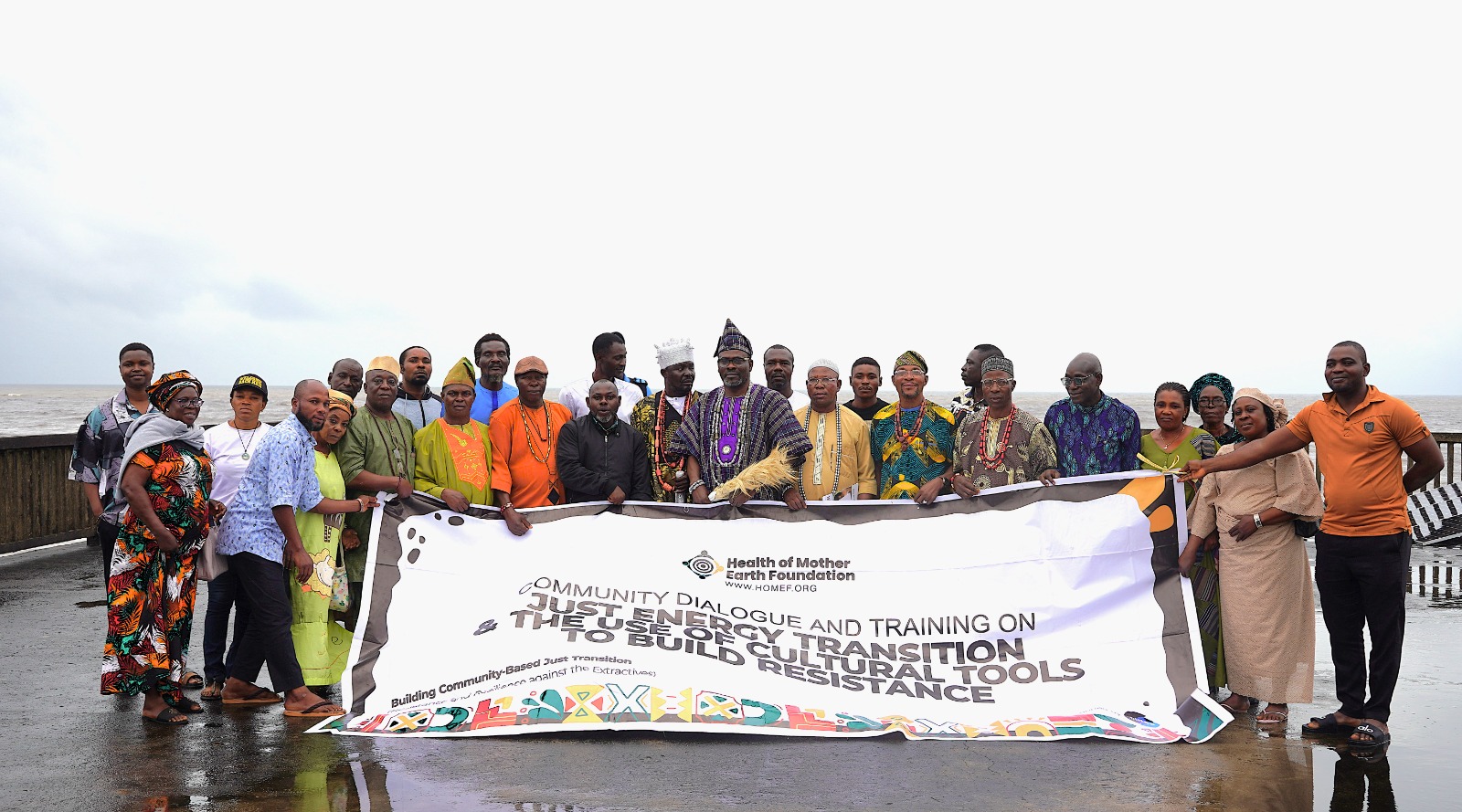
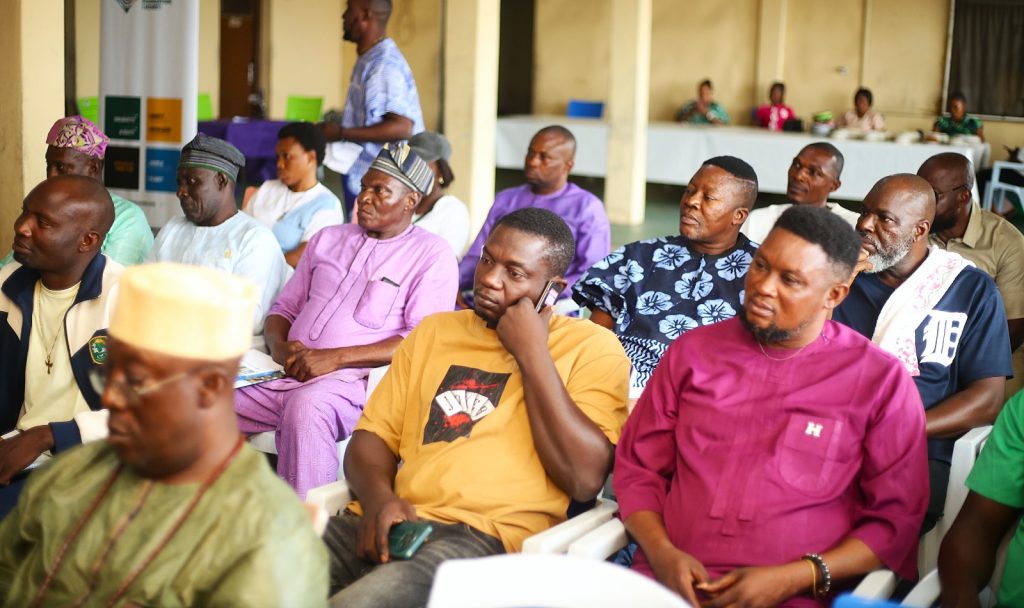
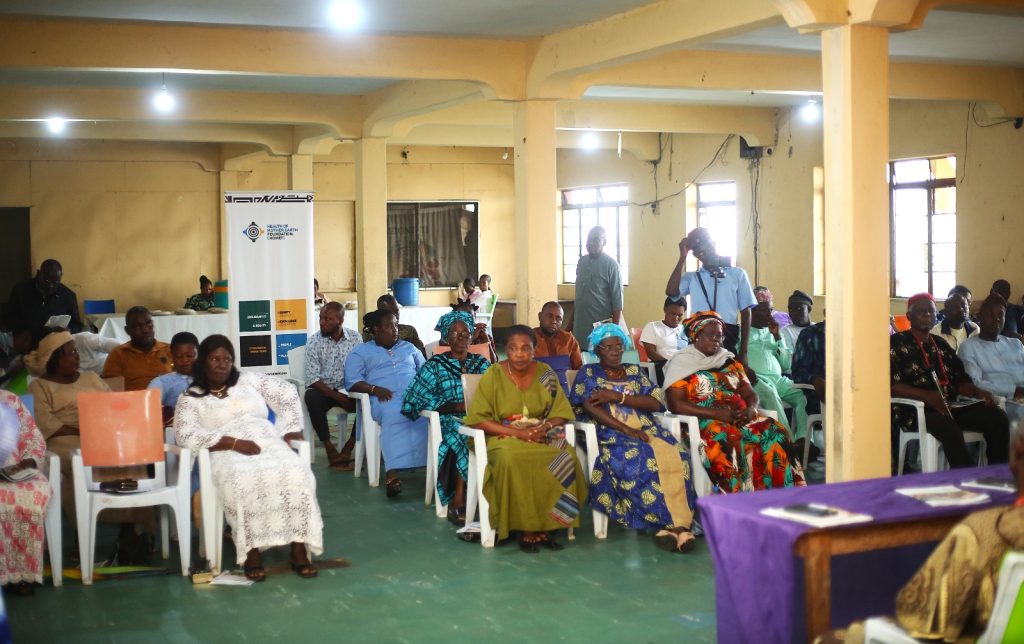
The appeal was made during a Community Dialogue and Training on Just Energy Transition: The Use of Cultural Tools to Build Resistance, organised by the Health of Mother Earth Foundation (HOMEF), an environmental advocacy organisation.
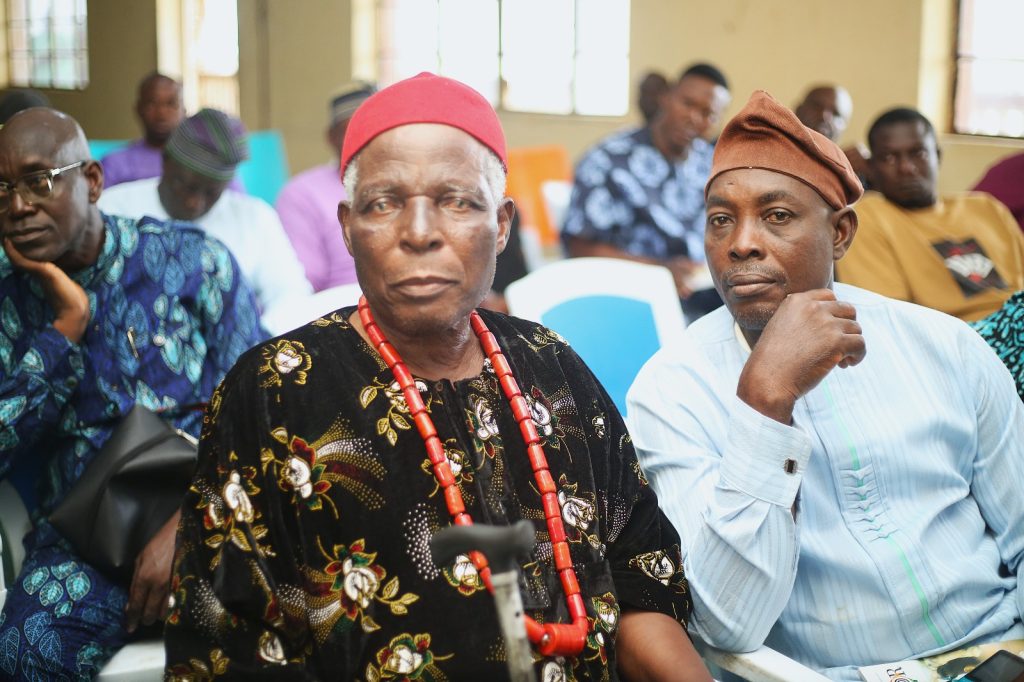
Speaking at the event, the traditional ruler of Ayetoro, His Royal Highness, Oba Oluwambe Ojagbohunmi, the Ogbeloyinbo of Ayetoro, lamented that more than 85 per cent of the community had been destroyed by years of ocean surges and environmental degradation linked to the activities of International Oil Companies (IOCs).
The monarch described the situation as a “Save Our Souls” emergency, noting that repeated appeals for the construction of embankments to protect the community had yielded no meaningful response.
According to him, industries established by private investors have shut down, faith-based institutions have disappeared, while community-driven electrification projects have also collapsed as a result of the worsening environmental conditions.
Oba Ojagbohunmi said the state government had maintained that the required intervention was beyond its capacity, leaving the community to look to the Federal Government and the international community for assistance.
Also speaking, a community member, Mrs Arowolo Mofeoluwa Victoria, challenged Ondo State Governor Lucky Aiyedatiwa to visit Ilaje communities and witness firsthand the level of environmental degradation caused by decades of extractive activities.
She expressed disappointment that despite the governor being an indigene of Ilaje, the area had received little attention, stressing that while the region contributes significantly to Nigeria’s oil wealth, residents continue to live without corresponding developmental benefits.
Another resident, Mr Olaoye Olusegun, said large portions of community land had been lost, restricting most social and communal activities to the traditional ground.
He explained that facilities including the community’s city hall and mini stadium had been affected, and urged government authorities to prevail on extractive companies to address the environmental damage and restore affected communities.
Earlier, HOMEF’s Community and Culture Lead, Cadmus Atake-Enade, and the organisation’s Fossil Politics Lead and Coordinator of the FishNet Alliance Network, Stanley Egholo, said the dialogue was designed to promote a people-centred and culturally rooted transition from fossil fuels to sustainable energy systems.
They noted that despite Nigeria’s status as Africa’s largest oil producer and one of the continent’s leading producers of liquefied natural gas, many host communities remain trapped in poverty while bearing the burden of pollution, environmental degradation and loss of livelihoods.
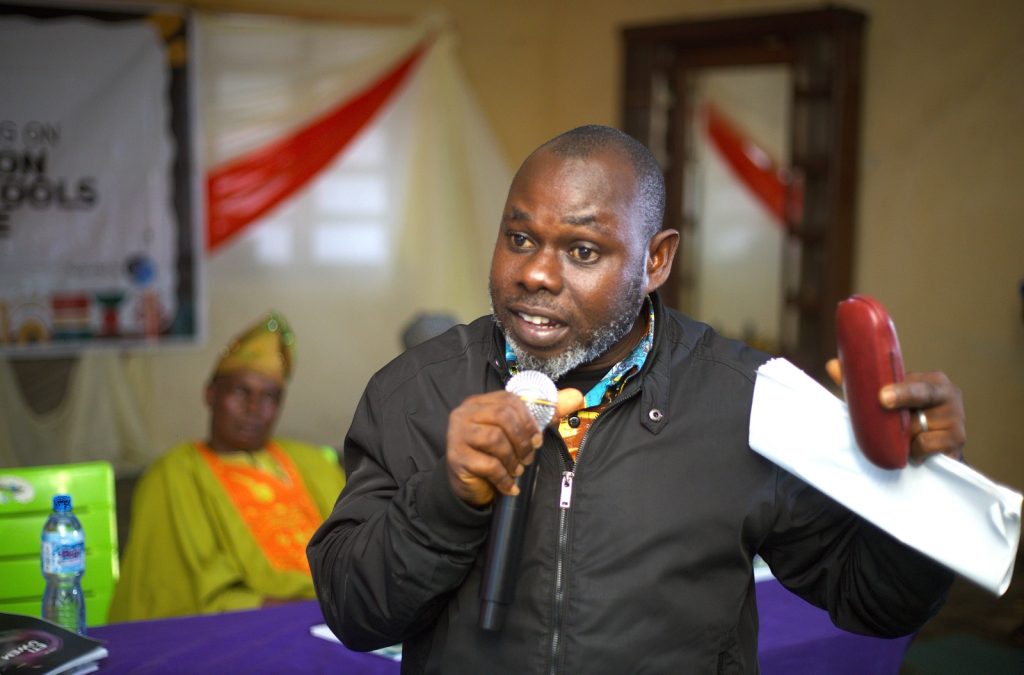
The organisers said the project seeks to strengthen community participation in the just energy transition process through dialogue, storytelling and the arts, while promoting indigenous knowledge for climate change adaptation, environmental justice, eco-tourism, agroecology and sustainable fishing practices.
They added that the initiative also aims to build a community-driven movement capable of influencing policies that support environmental protection and accelerate Nigeria’s transition away from fossil fuel dependence.