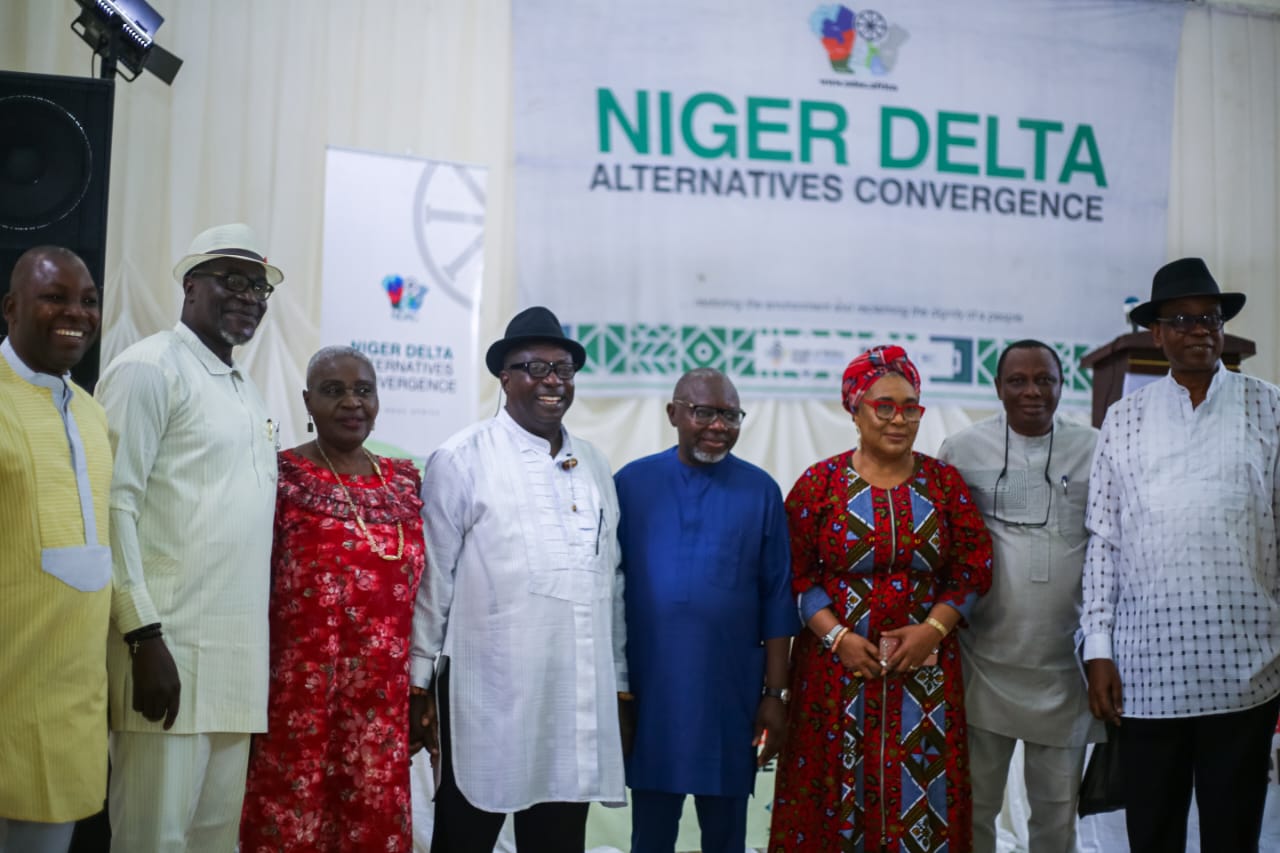
Stakeholders at the 5th Niger Delta Alternatives Convergence (NDAC) have called for urgent environmental remediation, transparent decommissioning of abandoned oil infrastructure, and stronger accountability mechanisms to halt what they described as the disastrous exploitation of the Niger Delta region.
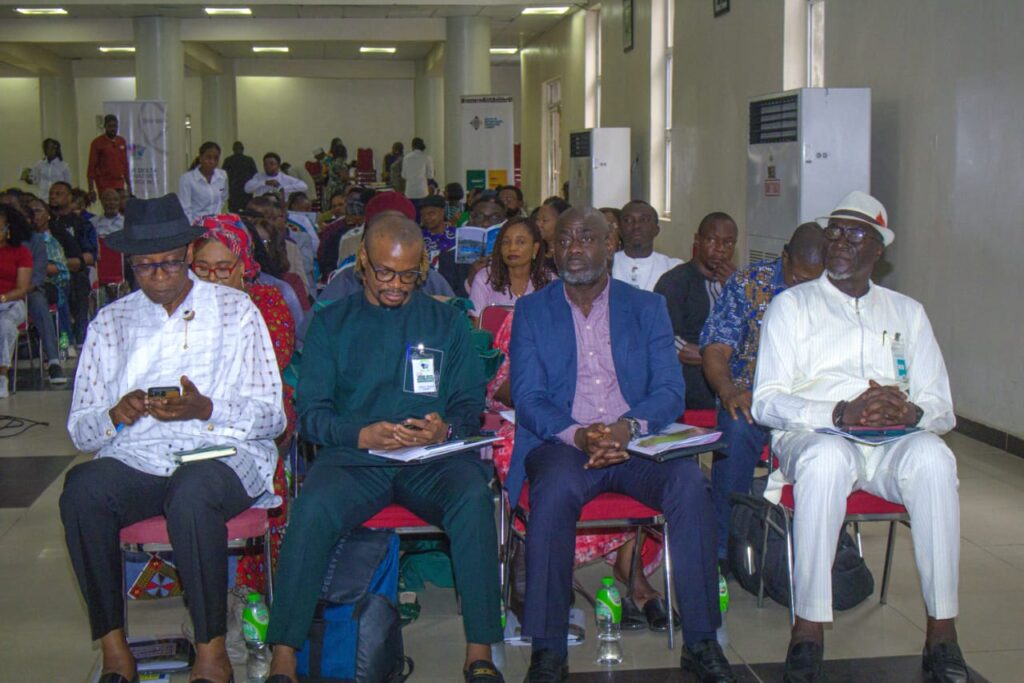
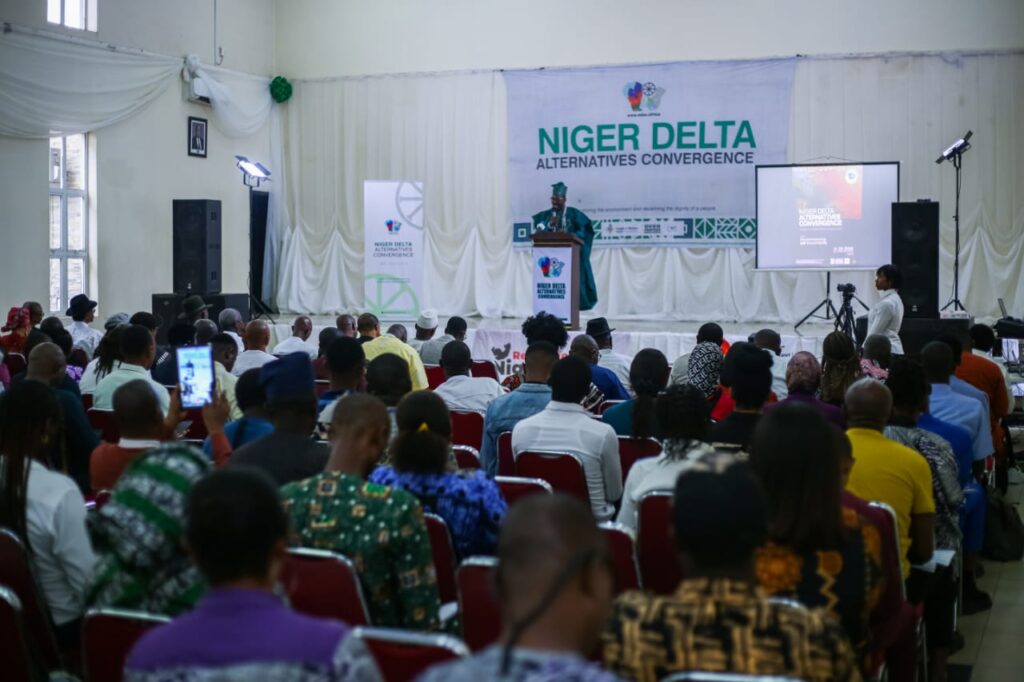
The convergence, convened by the Health of Mother Earth Foundation in collaboration with civil society groups, labour representatives, environmental experts, youth and women organisations, community leaders, and other stakeholders, held in Uyo, Akwa Ibom State, under the theme: “Decommissioning and Accountability.”
Participants at the gathering lamented that decades of oil and gas exploration have left the Niger Delta devastated by pollution, abandoned oil facilities, worsening public health conditions, ecological destruction, and economic hardship.
In a communiqué issued at the end of the convergence, stakeholders expressed concern that abandoned and inactive oil wells across the region continue to leak hydrocarbons and endanger communities years after operations had ceased.
The communiqué specifically cited the abandoned wells in Otuabagi as well as the Shell Petroleum Development Company’s Ibibio-1 well eruption in Ikot Ada Udo, Ikot Abasi Local Government Area of Akwa Ibom State in 2007 as evidence of the dangers posed by undecommissioned oil infrastructure.
Participants also condemned the prolonged Ororo-1 well fire in Ondo State, which has reportedly continued burning since 2020, alongside the Alakiri wellhead fire in Rivers State that has persisted since 2024 without decisive intervention from operators or regulators.
The convergence further noted that several environmental reports, including the United Nations Environment Programme report on Ogoniland, the Bayelsa State Oil and Environment Commission report, and the Niger Delta Environmental Survey, had consistently established evidence of widespread environmental degradation and public health emergencies in the region.
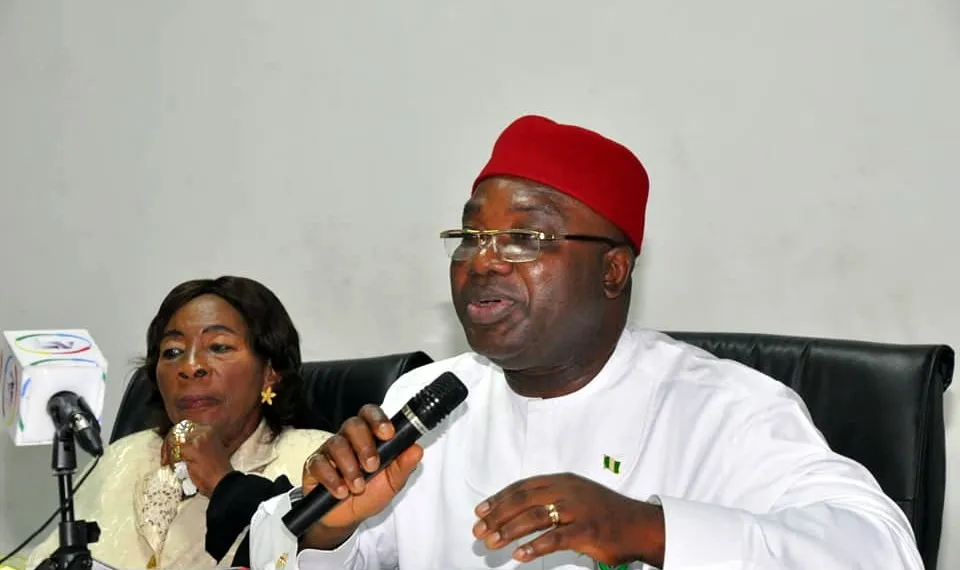
Speaking in his welcome address, environmental activist and Executive Director of HOMEF, Nnimmo Bassey, said every abandoned oil well in the Niger Delta should be treated as a “crime scene” because of the dangers they continue to pose to communities and the environment.
Bassey stated that oil companies were fully aware of the lifespan of oil wells before commencing operations, accusing them of exploiting communities for profit while leaving behind environmental destruction and health hazards.
According to him, several oil wells abandoned decades ago are still leaking and polluting communities across the Niger Delta.
He referenced the Oloibiri oil field in Bayelsa State, noting that the first economically viable oil wells in the area, abandoned since the 1970s, continue to leak and expose residents to environmental and health risks.
Bassey further criticised what he described as weak corporate accountability frameworks and ineffective government oversight, insisting that decommissioning and abandonment of oil wells should not merely involve oil companies leaving communities, but must include proper plugging of wells, dismantling of infrastructure, remediation of polluted sites, and restoration of affected ecosystems.
The communiqué observed that despite increasing oil exploration activities in Nigeria, there has been little corresponding investment in environmental restoration, community wellbeing, or ecological recovery in impacted communities.
Participants also argued that the Petroleum Industry Act 2021 had failed to adequately protect host communities or ensure accountability for environmental destruction.
They further alleged that multinational oil companies often evade environmental responsibilities through divestments, corporate restructuring, and regulatory loopholes, leaving host communities to bear the consequences of pollution and environmental degradation.
The convergence called for an immediate and transparent audit of all oil wells and petroleum infrastructure across the Niger Delta, alongside urgent decommissioning, remediation, and ecological restoration of abandoned facilities.
Among other demands, participants urged the Federal Government and state governments to enforce stricter environmental accountability measures, amend relevant provisions of the Petroleum Industry Act, publish details of decommissioning funds through the Nigeria Extractive Industry Transparency Initiative reports, and ensure transparency in ecological fund management.
The stakeholders also demanded increased participation of host communities, women, youth, and indigenous groups in environmental governance and decision-making processes.

The communiqué further stressed the need for strategic litigation by civil society organisations and communities to pursue environmental justice and prevent weak lawsuits capable of undermining accountability efforts.
Participants reaffirmed their commitment to coordinated advocacy aimed at securing environmental justice, ecological restoration, sustainable livelihoods, and stronger regulatory oversight across the Niger Delta.
They maintained that the future of the region must no longer be defined by exploitation and environmental sacrifice, but by justice, restoration, and development driven by the aspirations of the people.