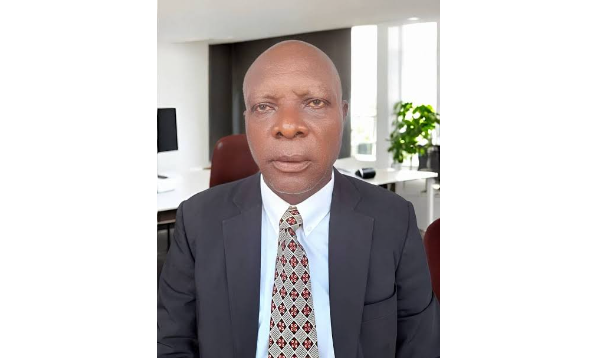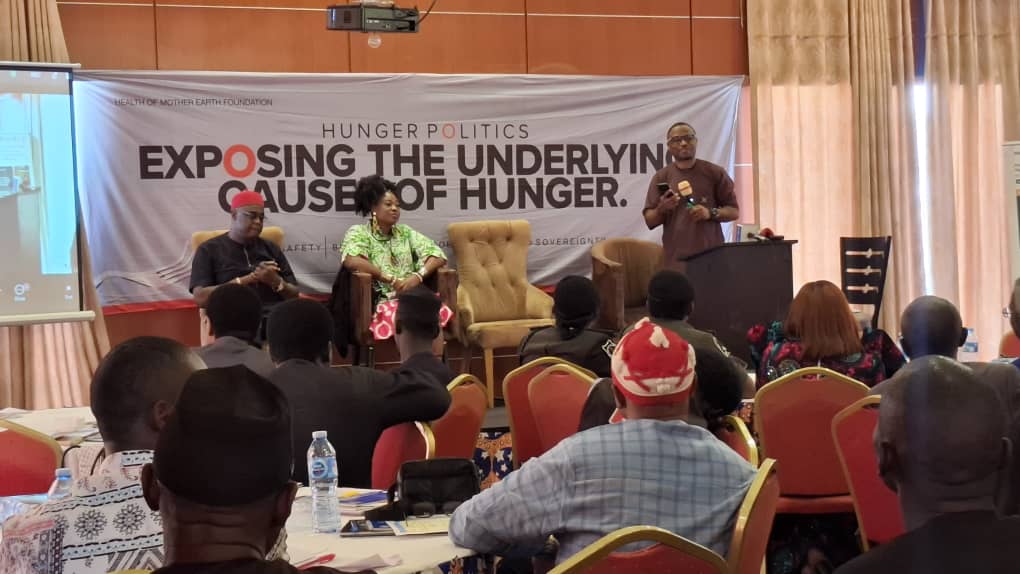
Environmental activist and Executive Director of the Health of Mother Earth Foundation (HOMEF), Dr Nnimmo Bassey, has raised concerns over what he described as weak biosafety regulation and increasing deployment of genetically modified organisms (GMOs) in Nigeria, warning that the trend could threaten food security, biodiversity and the rights of local farmers.
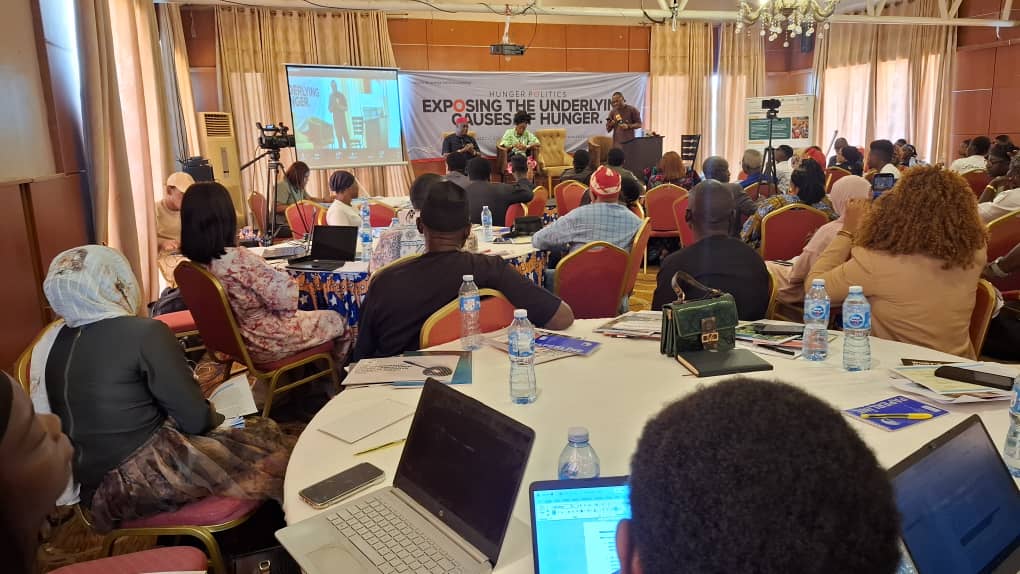
Dr Bassey spoke on Monday at the National Biosafety Conference in Abuja, where he delivered a presentation titled “The State of Biosafety in Nigeria and Pathway Towards Food Sovereignty.”
He argued that the right to safe food is inseparable from the right to a safe environment, stressing that biosafety should not be left solely to scientists and government agencies because of its far-reaching implications for public health, agriculture, livelihoods and ecological sustainability.
According to him, Nigeria’s rich biodiversity and diverse agro-ecological zones make biosafety a critical national issue, especially as more genetically modified crops and food products find their way into the country’s agricultural and food systems.
Bassey noted that over 70 per cent of Nigerian farmers rely on saving and sharing indigenous seeds adapted to local conditions, warning that the expansion of genetically modified crops could undermine farmers’ rights to save, exchange and reuse seeds.
The environmentalist expressed concern over what he described as growing public backlash against GMO approvals in Nigeria, attributing the opposition to inadequate risk assessments, weak public consultation processes and poor regulatory oversight.
He cited a March 2026 report by the National Biosafety Management Agency (NBMA), which disclosed the alleged illegal registration and field trials of four genetically modified cotton varieties without the agency’s approval as required under existing biosafety laws.
According to Bassey, the development exposed significant weaknesses in Nigeria’s biosafety architecture and raised fears that other genetically modified crops could have been introduced into the country without adequate scrutiny.
He further questioned the adequacy of risk assessment procedures for GMOs in Nigeria, insisting that there was no publicly available evidence of independent long-term studies, including feeding trials, to establish their safety.
“The picture of biosafety in Nigeria remains opaque and dangerous,” he said.
Bassey also referenced actions taken by the House of Representatives in 2024, including a recommendation for a suspension of GMO approvals and an investigation into the approval process.
He observed that despite a public hearing involving scientists, legal practitioners, farmers, civil society groups and other stakeholders, there had been no publicly known outcome or follow-up action from the legislative inquiry.
Calling for decisive government action, he said Nigerians deserve clarity on the country’s position regarding genetically modified crops and food products.
“We cannot afford to play politics with food or with human life,” he stated.
The environmental advocate also criticised the legal framework establishing the NBMA, describing it as inadequate and in need of comprehensive review.
He identified several shortcomings in the law, including the absence of strict liability provisions that would compel biotechnology companies to take responsibility for potential long-term environmental or health impacts associated with their products.
Bassey further argued that the agency’s structure raises concerns about conflict of interest, noting that the National Biotechnology Research and Development Agency (NBRDA), which promotes biotechnology development, sits on the board of the NBMA, the body responsible for regulating biotechnology products.
According to him, such an arrangement undermines public confidence in the independence of biosafety regulation in the country.
The HOMEF Executive Director also disclosed that market surveys conducted by his organisation in 2018, 2019 and 2023 identified more than 50 food products in Nigerian supermarkets labelled as containing genetically modified ingredients.
He said questions remain over which government agency is responsible for monitoring and regulating the entry and distribution of such products in the country.
On the impact of genetically modified crops on farmers, Bassey cited concerns reportedly raised by cotton farmers and agricultural extension workers regarding declining productivity of GMO cotton seeds after initial planting cycles.
He referenced reports by the National Cotton Association of Nigeria indicating that yields from genetically modified cotton varieties had not significantly improved compared to conventional seed varieties.
Some farmers, he added, had also complained of declining soil fertility on lands where GMO cotton had been cultivated, although he stressed the need for comprehensive scientific investigation into such claims.
Bassey maintained that the conversation around food security should not focus solely on increasing crop production but also on issues of ownership, control and sustainability within the food system.
He argued that food sovereignty—which allows communities to determine how food is produced, distributed and consumed—offers a more sustainable pathway than dependence on patented seeds controlled by multinational corporations.
According to him, indigenous farming knowledge and agroecological practices remain vital tools for building climate resilience, protecting biodiversity and ensuring long-term food security.
He therefore called for reforms to Nigeria’s biosafety framework, greater transparency in decision-making, stronger public participation and independent scientific assessments of genetically modified products.
Bassey concluded that achieving food safety, ecological justice and sustainable agriculture in Nigeria would require a shift towards agroecological farming systems that protect both the environment and the rights of local food producers.
“The pathway for biosafety, food sovereignty and ecological justice is an agroecological system of farming that guarantees food safety, protects biodiversity and promotes environmental sustainability,” he said.