By Benita Esohe Ekhator
Environmental advocates, traditional leaders and academics have cautioned the Federal Government against pursuing Nigeria’s growing critical minerals industry without strong environmental safeguards, warning that the country risks creating new ecological disasters and worsening insecurity if lessons from decades of oil exploration are ignored.
The warning was issued on Tuesday in Abuja at the 3rd Nigeria Socio-Ecological Alternatives Convergence (NSAC), themed “Deforestation, Mining and the Crisis of Human Security in Nigeria.”
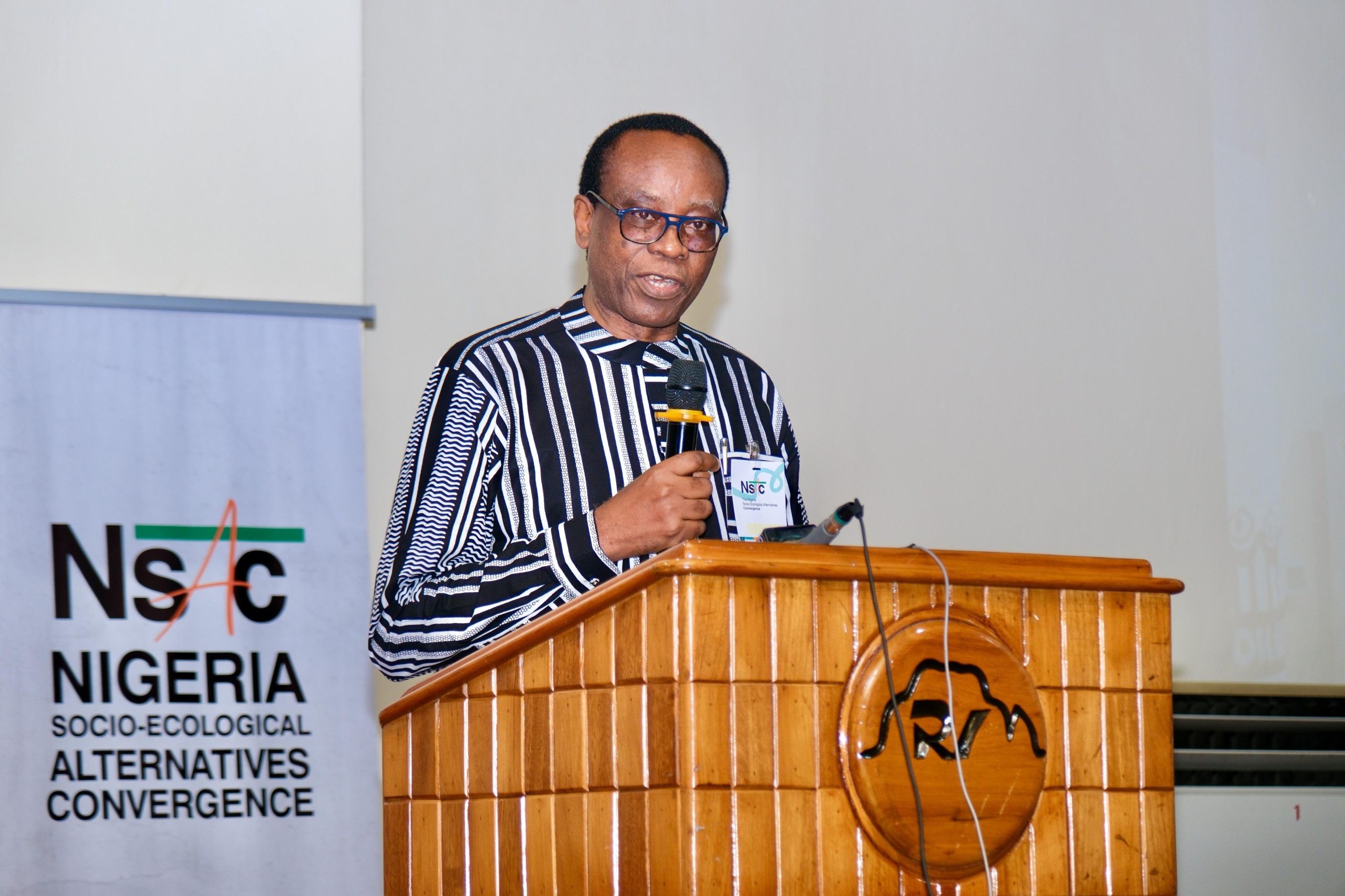
Delivering the welcome address, environmental activist and Executive Director of Health of Mother Earth Foundation (HOMEF), Dr. Nnimmo Bassey, said Nigeria’s environmental crisis was rooted in an extractive development model that prioritises economic gains over ecological sustainability and the welfare of host communities.
Bassey expressed concern over the Federal Government’s recent announcement of major discoveries of critical minerals in Kaduna State, saying the excitement surrounding the finds should not overshadow the environmental and social consequences of mining.
According to him, Nigeria must first determine the kind of development it seeks rather than celebrate new mineral discoveries without adequate governance structures and community consent.
He warned that forests are disappearing at an alarming rate of between 250,000 and 300,000 hectares annually, adding that if the trend continues, the country could lose its remaining forests by 2052.
Bassey also linked widespread deforestation and poorly regulated mining activities to rising insecurity, saying degraded forests have become safe havens for bandits and terrorist groups while communities are increasingly displaced from their ancestral lands.
He argued that genuine human security extends beyond military presence to include access to clean water, healthy forests, fertile land and sustainable livelihoods.
Calling for community-led environmental management, Bassey maintained that indigenous communities have demonstrated greater success in preserving forests through traditional conservation practices and should play a central role in natural resource governance.
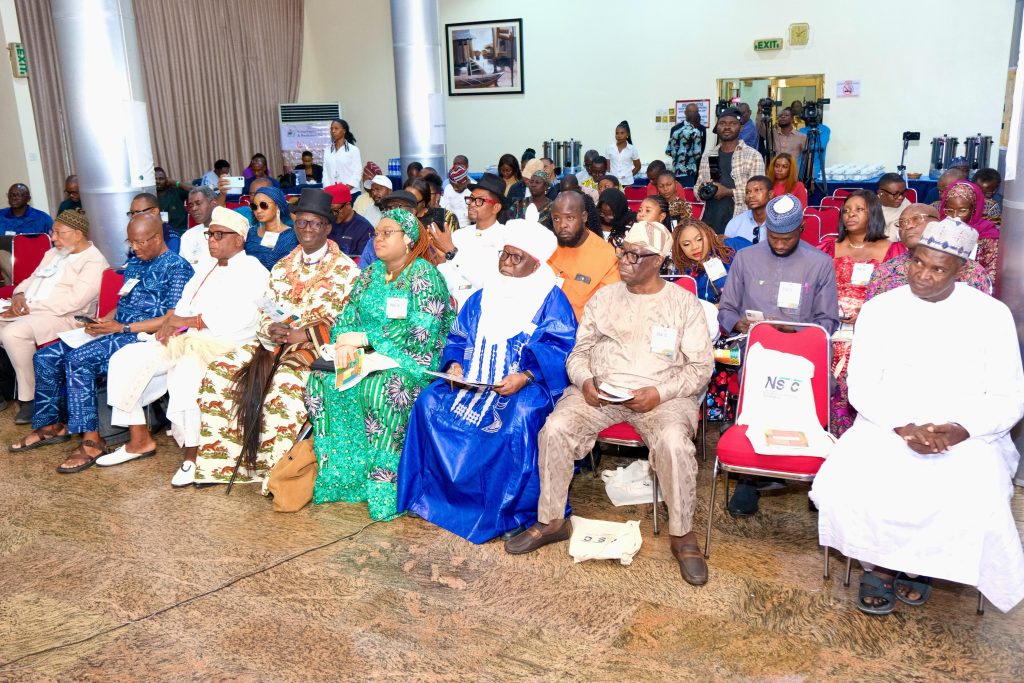
Chairman of the occasion and Emir of Nasarawa, Alhaji Ibrahim Usman Jibril, described the convergence as timely, noting that environmental degradation has become a major driver of insecurity, poverty and social instability across the country.
The traditional ruler said illegal mining, deforestation and uncontrolled exploitation of natural resources have polluted farmlands and water bodies, displaced communities and intensified violent conflicts over land and mineral resources.
Drawing from Nasarawa State’s experience as a major mineral-producing state, the Emir stressed that natural resources should be managed responsibly, transparently and in ways that protect host communities.
He identified weak environmental governance, corruption, inadequate regulation and elite complicity as major factors fuelling illegal mining and environmental degradation, warning that armed groups increasingly exploit mineral-rich areas to finance criminal activities.
The Emir urged participants to develop practical recommendations capable of strengthening environmental justice, improving resource governance and promoting sustainable development across Nigeria.
Presenting the keynote lecture titled “Critical Minerals as the New Oil: Decarbonization and the Perils of Energy Transition in Nigeria,” Professor Omolade Adunbi of the African Studies Center argued that the global transition to renewable energy should not become another phase of resource exploitation in Africa.
He said increasing global demand for lithium, cobalt, nickel and other critical minerals presents significant opportunities for Nigeria but warned that the country could simply replace dependence on crude oil with another extractive economy unless governance improves.
Adunbi observed that communities hosting mineral deposits face the same risks experienced by oil-producing communities in the Niger Delta, including environmental pollution, land dispossession, insecurity and exclusion from the benefits of resource extraction.
He warned that forests could be destroyed and communities displaced in the race to supply minerals required for electric vehicles, batteries and renewable energy technologies.
The professor advocated a “Just Minerals Strategy” anchored on transparency, environmental protection, community ownership, domestic value addition and the principle of Free, Prior and Informed Consent before mining projects commence.
He also called for legally protected no-go areas covering primary forests, critical watersheds and ecologically sensitive landscapes, while urging government to ensure that mining companies restore degraded environments before exiting project sites.
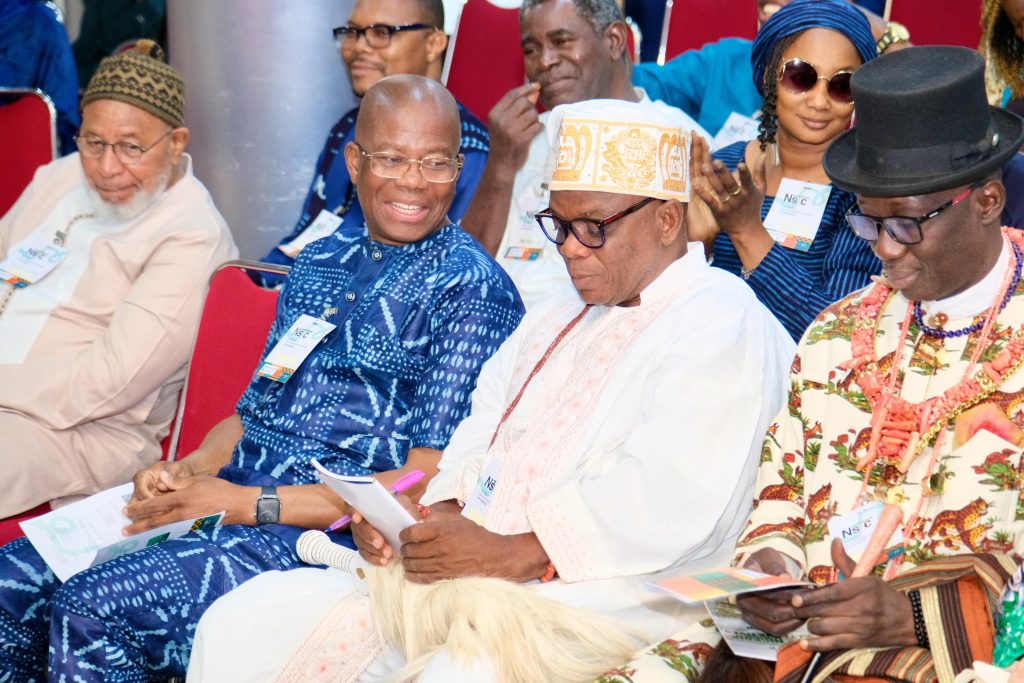
Participants at the convergence agreed that Nigeria’s transition into a major critical minerals producer must prioritise environmental sustainability, community participation and accountable governance to avoid repeating the mistakes associated with more than seven decades of oil extraction in the Niger Delta.
The conference continues with discussions on policy reforms, environmental justice and community-centred approaches to natural resource management in Nigeria.