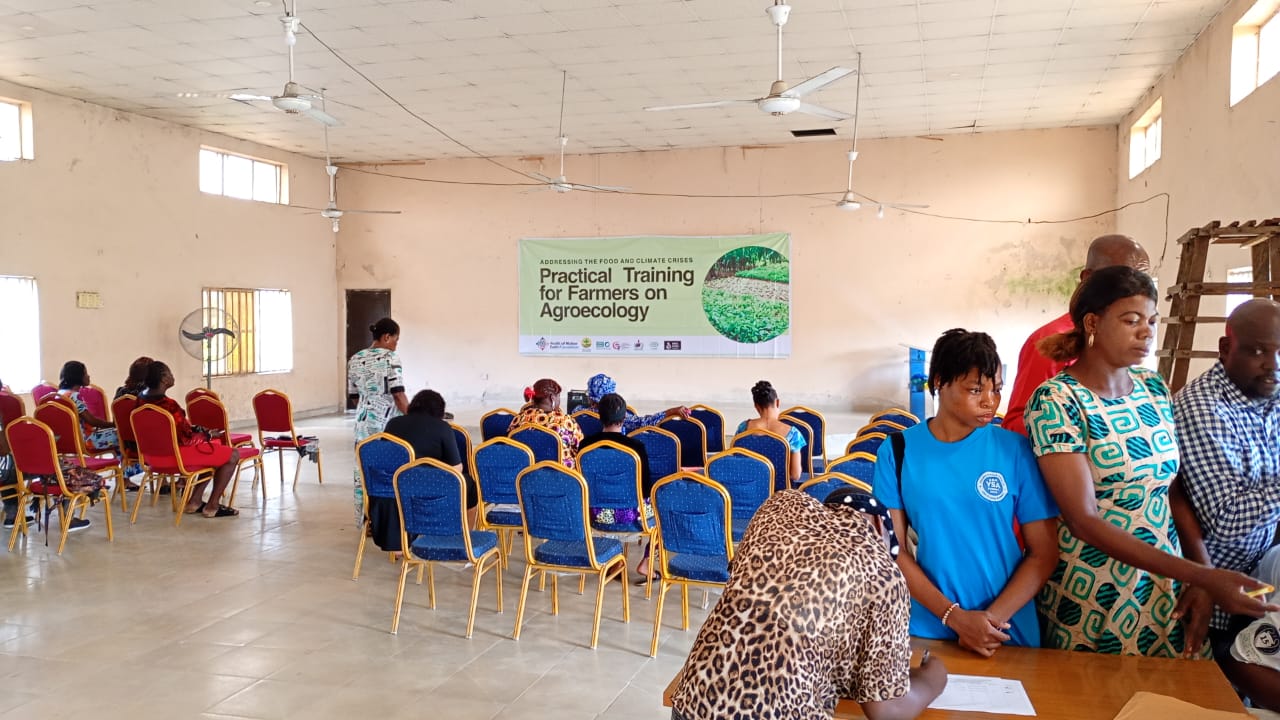
Agricultural experts and stakeholders have called on the Federal Government to prioritise agroecological farming as a sustainable approach to tackling food insecurity, soil degradation and the effects of climate change in Nigeria.
They made the call during a practical training on agroecology organised by the Health of Mother Earth Foundation (HOMEF) in Aba, Abia State, for farmers and agricultural cooperatives drawn from South-East states.
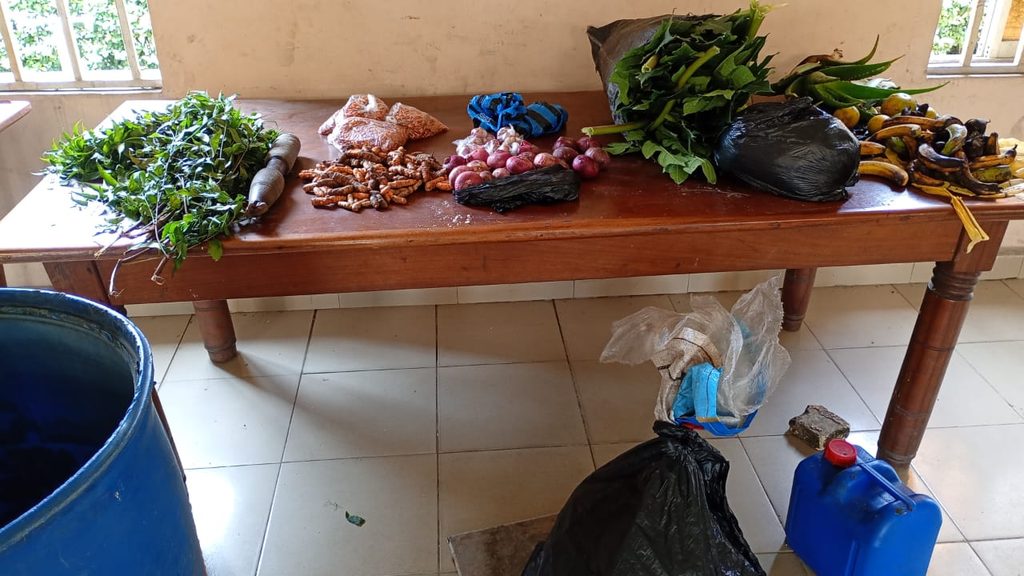
The training focused on the production of organic fertilisers and natural herbicides from locally available materials, with participants encouraged to adopt environmentally friendly farming methods that reduce dependence on artificial agricultural inputs.
The stakeholders said wider adoption of agroecology could help reduce the cost of farming, preserve soil fertility, improve food safety and strengthen local food production, while creating opportunities for increased agricultural yields and exports.
HOMEF Project Assistant, Gift Ojeanelo, said knowledge of agroecology needed to spread across farming communities as part of efforts to address Nigeria’s food and climate crises.
Ojeanelo stressed the need for farmers to embrace sustainable agricultural practices, noting that agroecology offered practical options for addressing food insecurity and other challenges confronting the country’s agricultural sector.
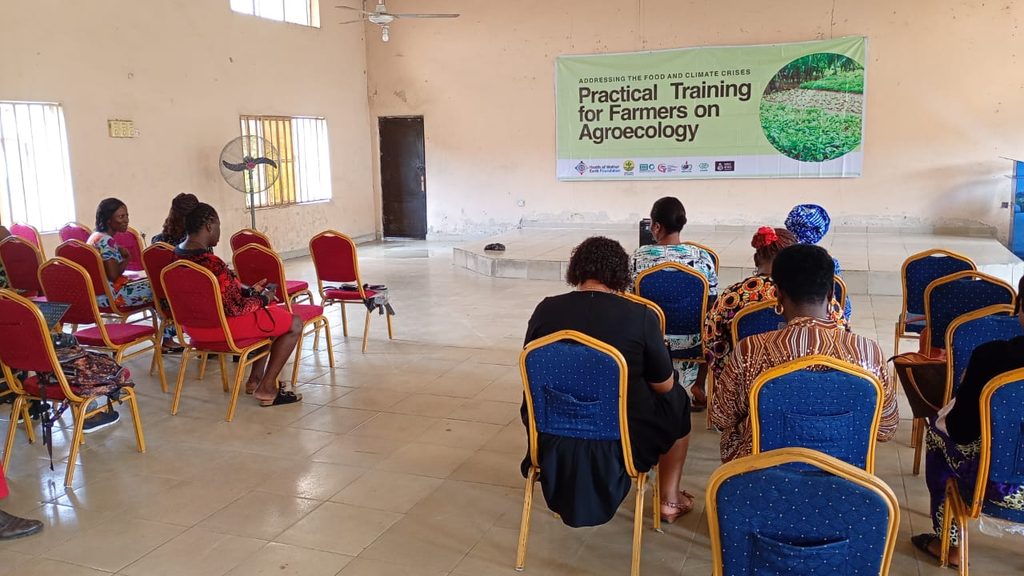
During the training, participants were taken through practical sessions on producing organic fertilisers from cattle dung and other natural materials, as well as preparing natural herbicides from locally available ingredients.
The sessions were designed to equip farmers with practical skills they could apply in their communities, particularly amid rising costs of conventional farming inputs.
Some participants, including Augustina Ibe and Unu Nwankwo, commended HOMEF for the initiative, saying the training had broadened their understanding of agroecology and issues surrounding genetically modified organisms (GMOs).
They pledged to share the knowledge acquired with other farmers and communities in their respective states to encourage wider adoption of sustainable farming practices.
Another participant, farmer Nnenna Ejim, described organic farming as a safer and more affordable approach to food production, pointing to the availability of natural materials that farmers could use to prepare agricultural inputs.
The advocacy for agroecology comes amid growing concerns over food affordability, declining soil quality and the increasing financial burden of farming on smallholder farmers.
Proponents argue that reducing dependence on expensive synthetic fertilisers and herbicides could help farmers cut production costs while protecting the environment and maintaining soil health.
They also maintain that strengthening locally driven food production systems would give farming communities greater control over how food is produced and distributed, while improving access to healthier food.
The organisers expressed optimism that practical training and knowledge-sharing among farmers could help expand the adoption of agroecology, positioning it as one of the approaches available to Nigeria in addressing food insecurity and climate-related agricultural challenges.