

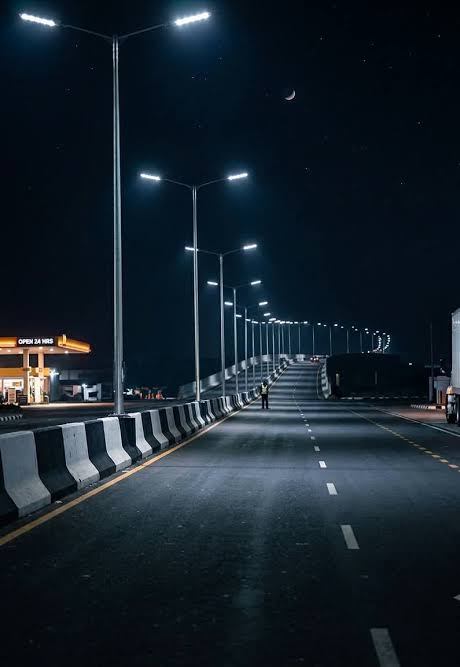
It is not every day that a construction site becomes a tourist attraction. Yet that is exactly what is happening at the Rahmat Park Flyover in Benin City.
For weeks now, hundreds of residents have been making their way to the site, not because they have business there, but simply to look. Families visit with their children, young people pose for photographs, content creators record videos, couples spend time together, and groups of friends gather to enjoy the atmosphere. Some even bring refreshments and turn the visit into a mini picnic.
At first glance, one might dismiss this as excitement over the state’s first flyover. Certainly, the project deserves attention. It is a landmark in Edo State’s infrastructure development and a visible sign of urban renewal. But the constant stream of visitors suggests something much deeper than admiration for concrete and steel.
It reveals a city that is starved of recreational spaces.
Benin City is one of Nigeria’s oldest and most culturally significant cities. It has a rich history, a vibrant population and a growing economy. Yet when it comes to public spaces where people can relax, socialise or simply enjoy an evening outdoors, the options are painfully limited. For many residents, recreation has become either expensive or inaccessible.
This explains why an unfinished flyover has become an unlikely destination for leisure.
People are not visiting because they are fascinated by construction equipment. They are visiting because they are searching for somewhere different to go. They want somewhere they can breathe fresh air, spend time with loved ones, take memorable pictures or simply escape the pressures of daily life without breaking the bank.
That should give policymakers something to think about.
Every modern city needs more than roads and bridges. While physical infrastructure remains essential, social infrastructure is equally important. Parks, gardens, walking trails, playgrounds, open squares and family-friendly recreational centres are not luxuries. They are part of what makes a city liveable.
In today’s fast-paced world, recreation is no longer just about entertainment. It contributes to mental health, strengthens family relationships and encourages healthier lifestyles. Children need safe places to play. Young people need creative spaces to interact positively. Older residents deserve peaceful environments where they can exercise or unwind after a busy day.
The economic benefits are equally compelling. Well-managed recreational centres create jobs and support small businesses. Food vendors, photographers, event planners, artisans and transport operators all benefit when people have attractive places to visit. Such spaces also enhance tourism and improve the image of a city.
The Edo State Government deserves commendation for embarking on transformative projects like the Rahmat Park Flyover. Such investments are necessary and long overdue. However, the enthusiasm surrounding the project presents an opportunity to broaden the conversation about urban development.
As more roads are built and communities expand, equal attention should be given to developing public recreational facilities across the city. These do not all have to be massive or extravagant projects. Well-designed neighbourhood parks, green spaces, children’s playgrounds, waterfront relaxation spots and affordable recreational centres can make a remarkable difference in people’s lives.
Government cannot do it alone. The private sector also has a role to play. Through public-private partnerships, more leisure parks and outdoor facilities can be developed while ensuring that they remain affordable for ordinary families. Recreation should not become another service reserved only for those with deep pockets.
Sometimes, the clearest messages are communicated without words. The crowds at the Rahmat Park Flyover have spoken loudly enough. They have shown that beyond the excitement of witnessing Edo State’s first flyover, there is a genuine desire for more places where people can relax, connect and enjoy their city.
Perhaps the greatest lesson from this remarkable public response is that Benin City does not simply need more infrastructure. It needs more spaces that bring people together. A city should not only be a place where people work and pass through. It should also be a place where they can live, laugh and create lasting memories.
If the Rahmat Park Flyover has unintentionally reminded us of that truth, then it has already begun serving a purpose beyond easing traffic.